
Pests and Diseases
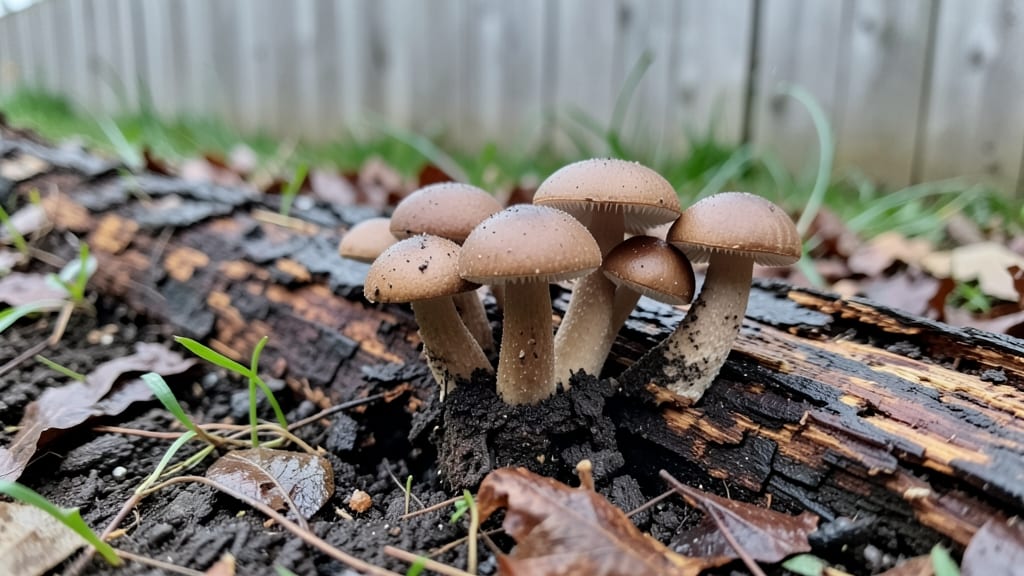
Those small brown mushrooms in the garden popping up aren’t just unsightly—they’re a sign your soil needs attention. ✨ I’ve seen them turn a lush lawn into a spore-speckled mess, but the good news?
Most aren’t harmful, and they’re easy to manage without chemicals. The key is figuring out which type you’re dealing with and addressing the root cause—whether it’s moisture, decaying matter, or compacted soil.
Here’s the thing—these mushrooms thrive in damp, shaded spots where organic matter breaks down. They’re nature’s way of recycling, but too many can signal poor drainage or overwatering. Worse, some varieties are toxic to pets, so identification matters.
Start by checking their location: lawns, mulch beds, or wooded edges each need different fixes. A quick rake or vinegar spray can handle most infestations before they spread.
What you’ll end up with is a cleaner garden bed and healthier soil—no more mysterious brown dots ruining your neatly tended rows. The process is simple: improve airflow, adjust watering, and remove the mushrooms by hand or with organic methods. Your plants (and pets) will thank you for taking control.
Works for backyard gardens, raised beds, or even container setups where moisture lingers. Let’s get those mushrooms under control without harming your garden’s ecosystem.
Why Fungal Spores Take Over
Those tiny brown mushrooms popping up in your garden aren’t just a cosmetic nuisance—they’re a sign your soil is hosting an invisible party. Fungal spores, the microscopic seeds of mushrooms, thrive under specific conditions, turning your yard into their perfect breeding ground.
Understanding the why behind their appearance is the first step to reclaiming your garden naturally. Let’s break down the key triggers, from soil chemistry to seasonal shifts.
Fungi love moisture—too much of it, that is. When soil stays soggy for days (or weeks), it creates the ideal environment for fungal spores to germinate. Here’s why:
- Oxygen Deprivation: Waterlogged soil pushes out air, suffocating beneficial microbes and bacteria that would normally compete with fungi. Without these allies, fungal spores get a free pass to grow.
- Spore Activation: Many mushrooms release spores in damp conditions. If your garden sits in a low-lying area or has compacted soil, water pools instead of draining, signaling spores: “Party time!”
- Decay Acceleration: Wet soil speeds up the breakdown of organic matter (like fallen leaves or mulch), releasing nutrients that fungi love to feast on.
Actionable Fix: Improve drainage by amending soil with compost or sand, and avoid overwatering. If your yard floods after rain, consider raised beds or swales to redirect water.
Leaf litter, dead plants, and compost piles aren’t just “garden waste”—they’re buffet tables for fungal spores. Here’s the science:
- Nutrient Richness: Decaying organic matter is packed with cellulose and lignin, two compounds fungi thrive on. Think of it like a pizza delivery for mushrooms.
- Sheltered Spores: Thick layers of mulch or debris protect spores from drying out or sunlight, giving them time to colonize.
- Moisture Traps: Organic matter holds water like a sponge, creating the damp conditions fungi crave (see above).
Actionable Fix: Regularly remove fallen leaves and debris from garden beds, especially in shaded or humid areas. If using mulch, opt for thin layers (1–2 inches) of coarse material (like straw or wood chips) that allow airflow.
Fungi aren’t picky—they just need the right vibe. Most small brown mushrooms prefer:
- Cool to Mild Temps: Ideal range is 50–75°F (10–24°C). Hotter than 80°F (27°C) can slow growth, but they’ll bounce back when temps dip.
- High Humidity: Spores need moisture in the air to germinate. Humidity above 70% turns your garden into a fungal sauna.
- Seasonal Triggers: Spring and fall are peak mushroom seasons because soil is cool and damp, but they can pop up year-round in shaded or protected spots.
Actionable Fix: Improve airflow with pruning or strategic plant placement. In humid climates, water early in the day so foliage dries quickly. Avoid planting mushrooms’ favorite hosts (like oak or pine trees) near garden beds.
Healthy soil is a battleground where fungi, bacteria, and beneficial microbes compete. But when soil is compacted or disrupted (e.g., by tilling or construction), the balance tips:
- Weakened Competition: Tilling kills off beneficial microbes, removing natural predators of fungal spores. It’s like removing the bouncers from a club—suddenly, the fungi get to throw the rave.
- Exposed Spores: Disturbing soil can bury spores deeper or bring dormant ones to the surface, where they germinate in the new “fresh” conditions.
- Root Damage: Compacted soil stresses plants, making them weaker and more susceptible to fungal infections that mushrooms can exploit.
Actionable Fix: Avoid tilling—opt for no-dig gardening or add organic matter (compost, leaf mold) to loosen soil naturally. Use mulch to protect soil structure.
Direct sunlight is nature’s fungicide—UV rays inhibit spore growth. When mushrooms take over shaded areas, it’s because:
- Slower Evaporation: Shady spots stay damp longer, extending the fungal “growing season.”
- Cooler Microclimates: Under trees or dense plants, temps stay in the fungi’s ideal range (see above).
- Reduced Competition: Fewer plants mean less microbial activity to outcompete fungi.
Actionable Fix: Thin out overgrown plants or prune trees to let sunlight reach the soil. If shading is unavoidable (e.g., under fruit trees), improve drainage and reduce organic mulch.
Quick Fixes for Garden Mushrooms
If you’ve spotted small brown mushrooms popping up in your garden, don’t panic—there are simple, natural ways to tackle the problem. The key is identifying the cause first, then applying the right solution. Below, we break down common triggers and their fixes, plus prevention tips to keep your garden mushroom-free.
Problem: Excess moisture creates the perfect breeding ground for mushrooms, which thrive in damp, organic-rich soil.
How to Fix It:
- 🔥 Reduce Watering: Let the top 2–3 inches of soil dry out between waterings. Use a moisture meter or stick your finger in the soil to check.
- 🍳 Improve Drainage: Amend heavy clay soil with compost, sand, or perlite to help water drain faster.
- 👨🍳 Mulch Strategically: Use coarse mulch (like wood chips or straw) instead of fine mulch, which can trap moisture.
Prevention Tip: 💡 After heavy rain, rake the soil surface to break up compacted areas and encourage airflow.
Problem: Mushrooms love decomposing plant material, so over-mulched or compost-heavy soil can trigger their growth.
How to Fix It:
- 🔪 Trim Back Mulch: Reduce mulch thickness to 2–3 inches and keep it 6 inches away from tree trunks.
- 🥘 Mix in Sand or Gravel: Sprinkle a thin layer over mulch to create a drier barrier.
- 🌡️ Rotate Plantings: Avoid planting heavy feeders (like tomatoes or corn) in the same spot yearly, which can leave excess organic debris.
Prevention Tip: ✨ Spread a layer of diatomaceous earth (food-grade) around mushroom spots to deter fungal growth naturally.
Problem: Piles of leaves, logs, or fallen branches provide food and shelter for mushroom spores.
How to Fix It:
- 🗑️ Clear Debris: Remove leaf litter, stumps, or wood chips from garden beds. Compost them away from planting areas.
- ☀️ Increase Sunlight: Thin out dense foliage (like ivy or hostas) to improve airflow and dryness.
- 🔄 Repurpose Wood: If logs are decorative, cover them with a tarp or move them to a dry, shaded area.
Prevention Tip: 🎯 Use landscape fabric under mulch to block spores from rising to the surface.
Problem: Mushrooms favor cool, damp, and shaded spots where water pools.
How to Fix It:
- 🌿 Prune Overhanging Branches: Let more sunlight reach the ground to dry out the soil.
- 🏗️ Level the Ground: Fill in low spots with soil or create gentle slopes to divert water.
- 🌡️ Plant Shallow-Rooted Cover Crops: Clover or creeping thyme can outcompete mushrooms while adding organic matter without excess moisture.
Prevention Tip: 💡 Install a French drain or swale in problem areas to redirect excess water.
If mushrooms keep returning despite your efforts, they might be parasitic (like Armillaria root rot) or tied to deeper soil issues.
In that case: - 📞 Consult a Local Extension Office for soil testing and targeted fungal treatments. - 🌱 Replace Infected Plants: Some mushrooms indicate poor plant health—remove affected plants and sterilize tools.
Final Reminder: Most garden mushrooms are harmless, but they signal underlying moisture or organic buildup. By addressing the root cause (literally!) and adjusting your garden’s conditions, you’ll keep your soil healthy—and mushroom-free. 🌱✨
Frequently asked questions about small brown mushrooms in gardens
Are these mushrooms dangerous to my plants or pets?
Most small brown garden mushrooms are harmless to plants, but some can signal poor soil health. For pets, only a few varieties (like Amanita) are toxic—never let animals eat them. If you're unsure, snap a photo and consult a local extension office or mycologist for identification.
Why do they keep coming back after I remove them?
You're likely addressing the mushrooms, not the cause! They thrive on damp, organic-rich soil. Try improving drainage, reducing mulch thickness, or adding sand to heavy clay. The spores remain dormant until conditions are right—fix the environment, not just the symptoms.
Can I use vinegar to get rid of them?
Yes! A 1:1 vinegar-water spray (applied in early morning) works well for surface mushrooms. The acidity disrupts fungal growth while being pet-safe. For stubborn patches, repeat weekly until the soil dries out. Avoid over-saturating the area—mushrooms love moisture!
Will they disappear on their own if I ignore them?
Possibly, but only if you change the conditions they love. Most mushrooms need cool, damp soil to thrive. If you improve drainage, reduce organic buildup, and let sunlight reach the area, they'll fade over 2-4 weeks. However, ignoring them may mean missing early signs of deeper soil issues.
How can I tell if these are edible mushrooms?
Never eat wild mushrooms unless you're 100% certain of the species—many look-alikes are deadly. If you suspect edibility, consult a field guide or expert. Garden mushrooms are almost always non-edible varieties. When in doubt, remove them safely with gloves and dispose of them far from your garden.