
Landscaping
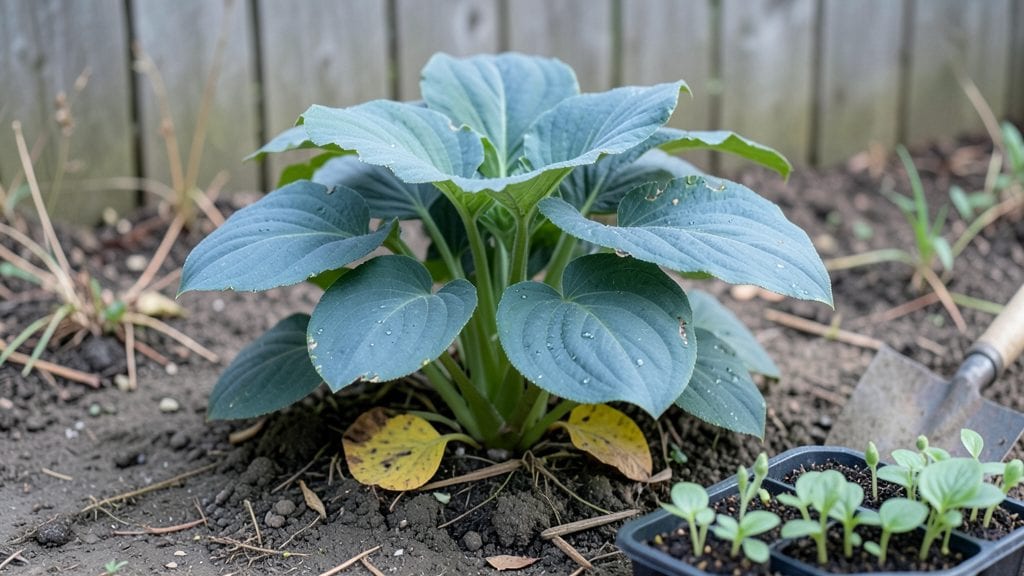
Transforming a cramped backyard into a stunning retreat starts with smart small garden landscaping that makes every inch count. 🌿 I’ve turned my 6x8-foot patio into a lush, functional space by layering plants vertically and using reflective surfaces to create the illusion of more room.
The key is choosing plants that thrive in tight spaces—like trailing ferns, dwarf shrubs, and compact perennials—while avoiding anything that sprawls or needs constant pruning.
You’ll need a mix of containers (hanging baskets, window boxes), lightweight hardscaping (stepping stones, a small deck), and multi-functional elements like built-in seating with storage underneath. My favorite trick? Mirror panels placed strategically to double the perceived space—plus, they reflect blooms and greenery for instant visual impact.
The best part? This design stays low-maintenance once established, so you spend more time enjoying it than tending to it.
Imagine stepping into a garden where every plant has a purpose, every path leads to a cozy corner, and even the smallest area feels like a retreat. You’ll create zones for dining, relaxing, and growing—without sacrificing a single square foot.
The results are shockingly lush, with layers of texture and color that make the space feel far larger than it is. Ready to make your small garden work harder?
This approach works for balconies, courtyard gardens, or even narrow front yards—just adjust the scale. Whether you’re dealing with shade, sun, or a mix, the principles stay the same. Let’s get your space working for you, not against you.
📚 In This Guide
- What you need
- Instructions
- Tips and common mistakes
- Wrapping up and next steps
What you need
- ● Soil & Mulch: Topsoil (1–2 cubic yards, depending on garden size)
- ● Compost or organic mulch (5–10 bags, 2–3 cubic feet each)
- ● Plants: 3–5 compact shrubs or dwarf trees (e.g., boxwood, Japanese maple)
- ● 6–10 perennials or annuals (e.g., lavender, ferns, petunias)
- ● 1–2 climbing plants (e.g., ivy, clematis) for vertical space
- ● Hardware: Garden hose with adjustable nozzle (25–50 ft)
- ● Pruners (bypass or anvil type)
- ● Hand trowel and garden fork
- ● Wheelbarrow (for hauling soil/plants)
- ● Decor & Functionality: Trellis or vertical planter (1–2, depending on space)
- ● Small water feature (e.g., bubbling rock fountain)
- ● Outdoor lighting (solar-powered path lights or string lights)
- ● Storage & Comfort: Compact bench or storage ottoman (weather-resistant)
- ● Potted herbs or edibles (e.g., basil, mint, cherry tomatoes)
- ● Prerequisites: Check local frost dates and sun exposure for your plants 🌞
- ● Verify soil drainage (amend with sand if needed)
Step-by-step guide to small garden landscaping
Transform tight spaces into lush, functional gardens with these proven techniques.
🪴 Step 1: Plan Vertical Layers for Maximum Space
Start by assessing your space—measure walls, fences, and existing structures. I always begin with vertical elements like trellises, wall planters, or hanging baskets to free up ground space. For a 4-foot wall, install a 3-foot-tall trellis (like the one in your materials) to climb roses or beans, instantly adding height and visual interest.
Use the 6-inch-deep wall planters (if included) to create a lush green wall with trailing plants like ferns or ivy. These planters attach securely to brick or wood surfaces, so no drilling is needed. Arrange them in staggered rows—this creates depth and hides the wall behind a living curtain.
☀️ Step 2: Choose Multi-Functional Plants
Select plants that serve multiple purposes: shade, privacy, and beauty. For example, a dwarf fruit tree (like a columnar apple) in a 5-gallon container provides fruit, shade, and year-round structure. Place it near a seating area to maximize its benefits.
Add ground covers like creeping thyme or clover to fill gaps between stepping stones or along paths. These plants suppress weeds, reduce watering needs, and add texture. For a 6-foot path, use 3-inch-wide stones spaced 12 inches apart—this creates a walkway while leaving room for plants to spill between them.
🌿 Step 3: Create Zones for Functionality
Divide your space into distinct zones, even in small areas. Dedicate one corner to herbs or edibles (like basil or lettuce in 6-inch pots) for easy access while cooking. Place a foldable table nearby for prep work, keeping everything within reach.
Use raised beds (if included) to grow vegetables or flowers—these elevate plants, improve drainage, and make harvesting easier. A 4-foot-by-2-foot bed fits neatly in a corner and yields plenty of produce. Add a small bench along one side for a cozy seating spot.
✂️ Step 4: Add Lighting and Decor for Ambiance
Install solar-powered path lights (if available) to highlight key areas and create a warm glow at night. Place them along the edges of paths or near seating areas—this adds safety and charm without wiring hassles. For a 6-foot path, use 3-4 lights spaced evenly for even illumination.
Incorporate decorative elements like a small fountain or wind chimes to draw the eye upward and add movement. A miniature birdbath doubles as a water feature and attracts wildlife. Position these near seating areas to enhance relaxation.
💧 Step 5: Maintain with Low-Effort Care
Group plants with similar water needs together to simplify maintenance. For example, place succulents and herbs in one 6-inch pot—they thrive with minimal watering. Use drip irrigation (if included) to deliver moisture directly to roots, reducing waste and saving time.
Mulch with 3 inches of shredded bark (if available) to retain moisture, suppress weeds, and regulate soil temperature. Spread it evenly around plants, keeping it 2 inches away from stems to prevent rot. Replenish as needed—this keeps your garden looking tidy with minimal effort.
Tips & tricks for small garden landscaping
Creating a stunning small garden doesn't require magic—just smart planning and a few clever tricks to maximize every inch. Here's how to turn tight spaces into lush, functional oases.
Vertical Space is Your Best Friend: I can't stress enough how game-changing vertical elements are in small gardens. That 3-foot-tall trellis for your 4-foot wall isn't just decoration—it's a space multiplier. For extra drama, add 6-inch-deep wall planters in staggered rows to create that "living curtain" effect that makes walls disappear. Pro tip: Use plants with different growth rates (fast climbers like morning glories paired with slower growers like roses) to maintain visual interest all season.
Multi-Functional Plants Save Space: When selecting plants, think beyond aesthetics—prioritize plants that serve multiple purposes. That dwarf fruit tree in a 5-gallon container near your seating area isn't just pretty; it provides shade, privacy, and fresh fruit. For paths, the 3-inch-wide stones spaced 12 inches apart create walkways while allowing ground covers to spill between them, suppressing weeds naturally. This dual-purpose approach is how you get maximum impact from minimum space.
Zoning Creates Illusions of Space: The key to making small gardens feel larger is creating distinct zones that guide the eye. That 4-foot-by-2-foot raised bed in one corner becomes a focal point when paired with a small bench along its side. For cooking zones, keep your 6-inch pots of herbs within arm's reach of your foldable table—this makes the space feel purposeful rather than cramped. The secret is to use furniture and plant groupings to define areas rather than letting the space feel scattered.
Lighting and Decor Work Magic: Don't underestimate how strategic lighting and decor can transform a small garden at night. Those 3-4 solar-powered path lights along your 6-foot path aren't just functional—they create a warm, inviting glow that makes your garden feel twice as big. For decor, focus on upward-drawing elements like wind chimes or miniature birdbaths—they visually expand the space while adding charm. Even a small fountain creates a focal point that draws the eye upward, making ceilings feel higher.
Pro Tips for Small Garden Landscaping
- Creating a stunning small garden doesn't require magic—just smart planning and a few clever tricks to maximize every inch.
- Vertical Space is Your Best Friend: I can't stress enough how game-changing vertical elements are in small gardens.
- Multi-Functional Plants Save Space: When selecting plants, think beyond aesthetics—prioritize plants that serve multiple purposes.
Frequently asked questions
Got questions about transforming your small garden into a stunning space? Here are some of the most common concerns—and their solutions—to help you get started with confidence!
What are the best space-saving plants for a small garden?
Opt for vertical gardening with climbers like ivy, jasmine, or clematis. Compact shrubs (e.g., boxwood, dwarf lilacs) and tiered planters maximize upward space. Herbs like thyme or oregano thrive in small pots, while dwarf fruit trees (like apple or peach) add function and charm. Pro tip: Choose slow-growing varieties to avoid overcrowding!
When is the best time to start landscaping a small garden?
Spring (after the last frost) and early fall are ideal for planting perennials, shrubs, and trees. Container plants can be added anytime, but avoid extreme heat or cold. If you’re installing hardscapes (like patios or paths), dry weather ensures smoother work. Troubleshoot: If starting in summer, mulch heavily to retain moisture and shade tender plants.
How can I landscape a small garden on a budget?
Start with a DIY-friendly plan: use reclaimed materials (e.g., bricks, pallets) for borders or raised beds. Skip expensive turf—opt for ground covers (like creeping thyme) or mulch. Shop sales at garden centers, divide perennials to propagate plants, and prioritize multi-functional elements (e.g., a bench that doubles as storage). Money hack: Swap plants with neighbors to refresh your garden without spending!
What’s the easiest way to create the illusion of more space?
Use light colors for paths and walls to reflect sunlight and make areas feel larger. Mirrors or glossy pots add depth visually. Keep pathways clear and uncluttered, and choose slim, tall planters over bulky ones. Avoid dark, heavy furniture—opt for lightweight, airy seating. Design tip: Repeat plants or patterns (like stripes in mulch) to create cohesion and continuity!
How do I fix a small garden that looks too crowded?
Start by pruning overgrown plants and removing dead or invasive species. Replace dense shrubs with smaller varieties or vertical options. Edit your color palette—too many bold hues can feel chaotic. Add structural elements (like a trellis or arbors) to draw the eye upward. Quick fix: Thin out foliage gradually over a few weeks to avoid shocking plants!
Wrapping up and next steps
A small garden doesn’t mean small dreams—with the right space-saving designs, you can transform even the tiniest outdoor area into a vibrant, functional oasis! 🌿 Whether you’re maximizing vertical space, choosing multi-functional plants, or playing with clever layouts, the key is creativity and intentionality.
Start small, experiment fearlessly, and remember: every inch counts when it’s designed with purpose.
Ready to get started? Grab your sketchbook, pick one idea from this guide, and take the first step today—your future garden will thank you! 🌱