Watering
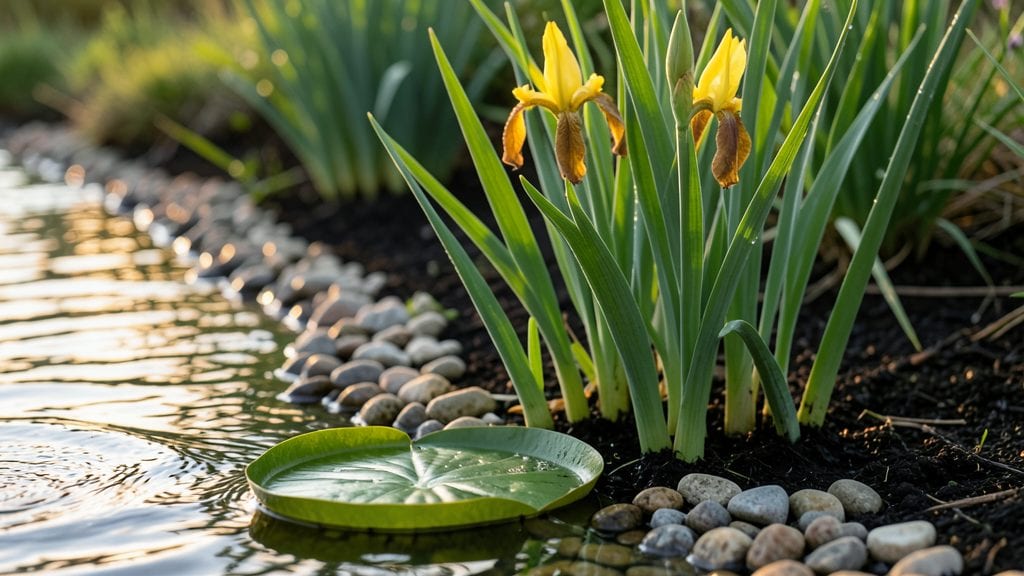
A small water garden transforms even the tiniest patio into a tranquil retreat. 💚 I started mine in a 3-foot square container after realizing how much peace a simple water feature could bring—no backyard needed.
The key is choosing the right plants and containers to maximize space while keeping maintenance simple.
You’ll need a container with at least 12 inches of depth, a small submersible pump (or solar-powered fountain), and lightweight plants like water hyacinth or duckweed. These floaters thrive in shallow water and clean it naturally, while marginal plants like sweet flag or rush add texture along the edges.
The setup costs less than $50 and fits on a balcony or deck.
Within weeks, you’ll have a miniature ecosystem that hums with life—frogs, dragonflies, and beneficial insects will visit, and the sound of trickling water creates instant calm. My garden stays lush with just weekly top-offs and occasional leaf removal, proving that even small spaces can hold big serenity.
Perfect for urban dwellers, small yards, or anyone who wants to add movement and life without the upkeep of a full pond. Let’s turn that empty corner into a peaceful water haven!
📚 In This Guide
- What you need
- Instructions
- Tips and common mistakes
- Wrapping up and next steps
What you need
- ● Container or Pond: A shallow basin (6–12 inches deep), preformed pond liner (3’x5’), or a repurposed tub (ensure it’s food-safe if using one).
- ● Water: 5–10 gallons (dechlorinated tap water or collected rainwater).
- ● Substrate: 2–3 inches of pebbles, gravel, or sand (for drainage and root support).
- ● Floating Plants: Water hyacinth, water lettuce, or duckweed (1–2 plants per square foot).
- ○ Marginal Plants (optional): Miniature water lilies, pickerelweed, or bog plants (1–3 plants).
- ○ Fish (optional): Small goldfish, guppies, or shrimp (1–2 fish per 5 gallons).
- ● Garden Trowel or Scoop: For planting and arranging substrate.
- ○ Water Test Kit (optional): To monitor pH and ammonia levels (ideal pH: 6.5–7.5).
- ○ Solar Fountain Pump (optional): For gentle water movement and oxygenation.
- ○ Decorative Rocks or Logs (optional): To enhance aesthetics and provide hiding spots.
- ● Fish Food (if applicable): Flakes or pellets for aquatic pets.
Step-by-step instructions for creating a serene miniature water garden
Transform any sunny spot into a tranquil oasis with this simple, low-maintenance design.
🪴 Step 1: Choose and Prepare Your Water Container
Select a container that holds at least 5 gallons—wide, shallow basins work best for floating plants. I like preformed plastic or fiberglass ponds because they're lightweight and won't crack. Clean thoroughly with a 10% bleach solution (1 part bleach to 9 parts water) to kill algae and bacteria, then rinse well. Place your container in a location with full sun to partial shade—6+ hours of sunlight daily keeps plants thriving.
For stability, set the container on a level surface and add 2-3 inches of small pebbles at the bottom. This prevents root rot by improving drainage and creates a natural base layer. Cover the pebbles with a layer of aquatic planting medium (like hydroton or expanded clay) to provide nutrients for submerged plants later. This step ensures your floating plants have a healthy foundation beneath the water's surface.
💧 Step 2: Fill and Balance the Water Chemistry
Fill your container with dechlorinated water—tap water contains chlorine that can harm plants, so add a water conditioner (like Stress Coat) to neutralize it. Fill to 80% capacity, leaving room for plants to float and expand. Use a gentle stream to avoid disturbing the pebbles and planting medium at the bottom.
Test the water's pH using a liquid test kit—ideal pH for floating plants is 6.5-7.5. If needed, adjust with pH adjusters (lower pH with sulfur, raise with potassium carbonate). Let the water sit for 24 hours before adding plants to stabilize the environment. This prevents shocking sensitive plants with sudden chemical changes.
🌿 Step 3: Add Floating Plants for Natural Beauty
Start with 4-6 water lettuce or duckweed plants—these fast-growing floaters create instant coverage and shade out algae. Gently place them on the water's surface, spacing them 3-4 inches apart to allow room for growth. Avoid overcrowding; too many plants will compete for nutrients and block sunlight from reaching submerged layers.
For variety, add 2-3 water hyacinths—their vibrant purple blooms add color and attract pollinators. These plants multiply quickly, so start with fewer and remove extras as needed. Watch for new roots emerging within 7-10 days—this confirms they've taken hold. Floating plants thrive with minimal care, but remove any that look yellowed or mushy to prevent decay.
✂️ Step 4: Maintain Balance and Prevent Algae
Check water levels weekly and top off with dechlorinated water as needed—evaporation is the main reason levels drop. Use a small watering can with a fine rose to avoid disturbing plants. Feed your plants monthly with a liquid aquatic fertilizer (diluted to half strength) to keep them lush and healthy.
Prevent algae by adding 2-3 barley straw bales to the container—they release natural compounds that inhibit algae growth. If you spot green film on the water's surface, remove it immediately with a net and increase sunlight exposure. A balanced water garden stays clear with minimal intervention, but consistency is key—skip maintenance, and algae will take over within weeks.
🌱 Step 5: Expand and Enjoy Your Ecosystem
After 4-6 weeks, your floating plants will establish roots and fill the surface. Add 2-3 submerged plants like anacharis or hornwort to the bottom layer—they absorb excess nutrients and provide oxygen for a healthier ecosystem. These plants grow quickly, so trim them back monthly to prevent overgrowth.
Sit back and enjoy your serene miniature pond! The gentle movement of floating plants creates a calming effect, and the natural filtration system keeps water clean. In 3-4 months, you'll see blooms on water hyacinths and lush growth on water lettuce—proof that a small water garden can be just as rewarding as a large one. Keep it simple, and it'll thrive for years.
Tips & tricks for perfect miniature water gardens
Creating a thriving miniature water garden is all about the details—here's how to set yours up for long-term success.
Container Selection: Don't overlook the importance of your container's shape and material. Wide, shallow basins work best because they provide more surface area for floating plants while maintaining stability. I've found that preformed plastic or fiberglass ponds are ideal—they're lightweight yet durable, and their smooth surfaces make cleaning easier. Avoid containers with rough edges where algae can cling. Also, position your container on a level surface to prevent tipping, especially after adding water.
Water Chemistry Matters: That 24-hour waiting period before adding plants is crucial—it allows the water chemistry to stabilize after you've adjusted the pH. I recommend testing your water again right before adding plants to confirm it's in the ideal 6.5-7.5 range. If you notice any cloudiness after the 24 hours, give it an extra day to settle. For tap water users, never skip the water conditioner—chlorine can be invisible but deadly to your plants.
Plant Spacing Strategy: When placing your 4-6 water lettuce or duckweed plants, think of them like a living carpet. Space them 3-4 inches apart initially, but leave room for growth—these plants can double in size within weeks! I've learned the hard way that overcrowding leads to competition for nutrients and creates perfect conditions for algae. Watch for new roots emerging within 7-10 days as your first sign of success. If you notice any plants turning yellow or mushy, remove them immediately to prevent decay from spreading.
Algae Prevention: The barley straw bales are your secret weapon against algae—don't skip adding them! These natural inhibitors work best when placed in the water for at least 2-3 weeks before you notice their effects. If you do spot green film, act quickly: remove it with a net and increase sunlight exposure. I've found that maintaining the 6+ hours of daily sunlight is just as important as the barley straw for keeping water clear. Consistency is key—weekly checks and monthly feeding will prevent algae from ever getting a foothold.
Pro Tips for Small Water Garden
- Creating a thriving miniature water garden is all about the details—here's how to set yours up for long-term success.
- Container Selection: Don't overlook the importance of your container's shape and material. Wide, shallow basins work ...
- Water Chemistry Matters: That 24-hour waiting period before adding plants is crucial—it allows the water chemistry to...
Frequently asked questions
Got questions about creating your own small water garden?
Here are some of the most common inquiries—and their answers—to help you get started with confidence.
What’s the best size for a small water garden?
A small water garden typically ranges from 1–4 feet in diameter (or length/width for rectangular designs). This size is ideal for patios, balconies, or even indoor setups. Just ensure it’s deep enough (at least 6–12 inches) to support roots and aquatic plants while preventing mosquitoes.
How long does it take to set up a small water garden?
Most small water gardens can be assembled in 1–3 hours, depending on complexity. Pre-formed liners or lightweight containers speed things up, while custom designs (like digging a pond) may take a full day. Pro tip: Plan your layout first—sketching plant placement and water flow saves time and frustration!
Do small water gardens need a pump or filter?
Not always! If your garden is shallow (under 12 inches) and uses floating plants (like water hyacinth or duckweed), natural filtration often suffices. For deeper setups or still water, a small air pump or solar-powered fountain (5–20 watts) adds oxygen and movement. Tip: A tiny filter sponge can also help keep water clear without electricity.
Will frogs or other wildlife move into my tiny water garden?
Small ponds (even 1–2 feet wide) can attract frogs, dragonflies, and beneficial insects if they have shallow edges, rocks, and plant cover. Avoid pesticides nearby, and add a gentle slope to help wildlife enter/exit safely. Bonus: These critters control mosquitoes naturally!
What if my small water garden gets algae or smells bad?
Algae or odors usually mean too much sunlight, stagnant water, or excess nutrients. Fix it by:
- Adding floating plants (like water lettuce) to shade the water.
- Introducing barley straw (natural algae inhibitor) or a small pump for circulation.
- Trimming dead plants and partial water changes (10–20%) weekly.
Wrapping up and next steps
A small water garden is more than just a decorative feature—it’s a miniature ecosystem that brings tranquility and life to your space. Whether you’re drawn to floating plants, lily pads, or the soothing sound of water, creating one is simpler than you think! 🌿
Now that you’re armed with the right materials and answers to common questions, it’s time to dive in. Start small—pick a container, gather your plants, and let nature do the rest. Your serene oasis awaits!