
Shrubs
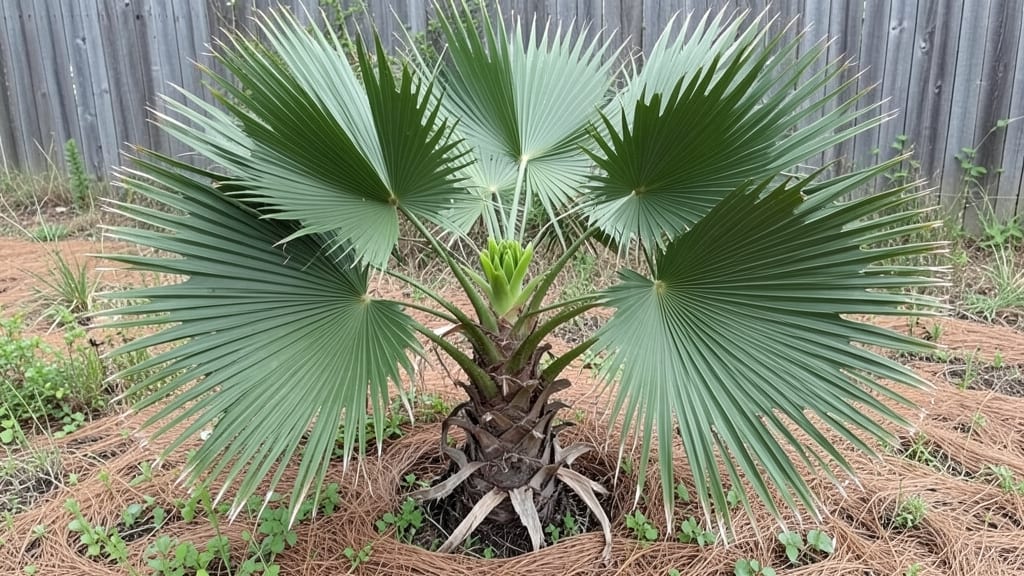
South Florida gardening isn't just about surviving the heat—it's about thriving in it. 🌿 I've spent years growing lush landscapes here, and the secret isn't fighting the climate but working with it.
The right plants not only handle 90-degree days but actually flourish, giving you vibrant color and texture all year long.
This isn't your grandma's gardening advice. We're talking about native plants like firebush that bloom even in summer droughts, and shrubs like coontie palms that handle hurricane-force winds.
The key is choosing plants that match your microclimate—whether that's a sunny courtyard or a shaded patio—and understanding when to plant them for maximum success.
You'll end up with a garden that stays green when others are wilting, attracts pollinators even in the hottest months, and requires less water once established. That's not just pretty—it's practical for a place where water restrictions and power outages are real concerns.
Plus, you'll learn which pests to watch for and how to keep them in check without chemicals.
Perfect for both new gardeners and seasoned pros looking to refresh their landscape. Whether you're prepping for hurricane season or just want a garden that doesn't need constant babying, this approach works. Let's get those plants growing the right way!
📚 In This Guide
- What you need
- Instructions
- Tips and common mistakes
- Wrapping up and next steps
What you need
- ● Heat-tolerant shrubs: Choose from Lantana, Firebush (Hamelia), or Muhly Grass (3–5 plants, depending on desired coverage). Opt for 1–2 gallon containers for mature plants or 4-inch pots for younger ones.
- ● Well-draining potting mix: 1–2 cubic yards (for in-ground planting) or 5–10 bags (40 lbs each) (for containers). Mix in perlite or sand (20–30%) to improve drainage.
- ● Organic mulch: 2–3 inches of pine bark, cypress mulch, or shredded leaves to retain moisture and regulate soil temperature.
- ● Fertilizer: Slow-release granular fertilizer (10-10-10 or 8-3-9)—1 lb per 100 sq ft—or liquid seaweed extract for organic options.
- ● Drip irrigation or soaker hose: 50–100 ft of tubing (adjust based on garden size) with emitters or micro-spray heads for efficient watering.
- ● Pruning shears: Bypass pruners (for clean cuts) and loppers (for thicker stems). Sanitize with rubbing alcohol between cuts.
- ● Gloves & knee pads: Heavy-duty gardening gloves (for thorny plants like Firebush) and knee pads for comfort.
- ● Soil test kit: Check pH (ideal range: 6.0–7.5) and nutrient levels before planting.
- ● Shade cloth (30–50% coverage): Use during extreme heat (100°F+) to protect young plants.
- ● Decorative rocks or pebbles: For xeriscaping or adding visual appeal around shrubs.
- ● Plant stakes or labels: 6-inch wooden or biodegradable stakes to mark new plantings.
- ● Compost or worm castings: 1–2 gallons mixed into planting holes for extra nutrients.
How to create a thriving South Florida landscape
Here’s how to transform your yard into a lush, vibrant space that loves the heat.
🌿 Step 1: Choose Native and Heat-Tolerant Plants
South Florida’s climate demands plants that thrive in 90°F+ temperatures and humidity. I always start with native species like firebush, coontie palm, and blanket flower—they’re already adapted to the heat, drought, and sandy soil. These plants require little water once established and attract pollinators like butterflies and hummingbirds.
For year-round color, mix in tropical favorites like plumbago, bougainvillea, and hibiscus. These handle the heat with ease and bloom continuously if given full sun and well-draining soil. Avoid anything from temperate climates—those wilts or dies within weeks.
☀️ Step 2: Optimize Sunlight and Shade Layout
Most of South Florida gets intense sunlight, so plan your layout to balance sun-loving plants with those needing partial shade. Place taller plants like palms or bananas on the north side of your yard to provide natural shade for smaller plants. I like to group sun-worshippers like lantana and pentas in the south and west areas, where they get 6+ hours of direct sun.
For shade-loving plants like caladiums or ferns, create micro-climates under larger trees or with shade cloth. If you’re using shade cloth, opt for 30-50% blockage—too much shade slows growth, but too little doesn’t protect roots from drying out.
💧 Step 3: Improve Soil Drainage and Mulch Properly
South Florida’s soil is often sandy and nutrient-poor, so I always amend it with compost before planting. Mix in 2-3 inches of organic matter like peat moss or aged compost to help retain moisture and improve fertility. This step is critical—poor drainage leads to root rot, especially in the rainy season.
After planting, spread 3-4 inches of mulch around the base of plants, keeping it 2 inches away from stems. Use pine bark or shredded leaves—they break down slowly and keep roots cool. Replenish mulch every 3-4 months to maintain its insulating effect.
✂️ Step 4: Water Deeply and Less Frequently
South Florida’s heat means plants need deep watering but not daily. I water early in the morning to reduce evaporation and fungal diseases. For established plants, 1-2 inches of water per week is usually enough, but newly planted ones may need 2-3 inches until roots spread. Check soil moisture by sticking your finger 2 inches deep—if it’s dry, water again.
Use drip irrigation or soaker hoses to deliver water directly to the roots. Avoid overhead sprinklers, which waste water and encourage fungal growth. If you’re using a sprinkler system, set it for short, frequent cycles to prevent runoff.
🪴 Step 5: Prune and Fertilize for Year-Round Health
Prune dead or diseased branches year-round, but focus on light shaping in late winter or early spring before new growth starts. For flowering plants like bougainvillea, prune right after blooming to encourage more flowers. I also fertilize every 2-3 months with a balanced, slow-release fertilizer (like 10-10-10) to keep plants strong without burning roots.
Watch for pests like aphids or scale, which thrive in humid conditions. Spray plants with neem oil or insecticidal soap at the first sign of trouble. If you notice yellowing leaves, it’s often a sign of overwatering or nutrient deficiency—adjust your care routine accordingly.
Tips & tricks for perfect South Florida landscaping
Here's what I've learned from years of gardening in South Florida's brutal heat—these tricks will help your plants thrive when others give up.
Heat-Tolerant Plant Pairing: Group plants with similar water needs together to simplify care. For example, pair drought-tolerant firebush with coontie palm—they both love dry conditions and full sun. I've found this reduces water waste by up to 30% while keeping everything happy. The key is creating plant communities that support each other's natural growing conditions.
Soil Amendment Strategy: Don't just dump compost on top of your sandy soil—mix that 2-3 inches of organic matter deeply into the top 6-8 inches. I use a broadfork to loosen the soil first, then work in compost. This creates a sponge-like layer that holds moisture better and gives roots room to grow downward where it's cooler. Think of it as building a moisture reservoir for your plants.
Shade Cloth Precision: When using shade cloth, remember that 30-50% blockage means exactly what it says—30% blocks sunlight, 50% lets more through. I've seen people use 70% blockage thinking it's safer, but that actually stresses plants more. Test your shade cloth first by measuring the light coming through with a light meter or simply observing how much shadow it casts on a sunny day.
Watering Timing Hack: The early morning watering rule is critical, but there's a trick to make it even more effective. Water between 6-8 AM when temperatures are still cool. This gives plants time to absorb moisture before the sun intensifies. I've noticed plants stay greener longer when watered at this optimal window, especially during our brutal summer afternoons.
Pro Tips for South Florida Gardening
- Here's what I've learned from years of gardening in South Florida's brutal heat—these tricks will help your plants thrive when others give up.
- Heat-Tolerant Plant Pairing: Group plants with similar water needs together to simplify care.
- Soil Amendment Strategy: Don't just dump compost on top of your sandy soil—mix that 2-3 inches of organic matter deeply into the top 6-8 inches.
Frequently asked questions
Got questions about thriving in South Florida’s unique climate? Here are answers to the most common gardening curiosities—so you can grow with confidence!
What are the best heat-tolerant shrubs for South Florida’s summer?
Opt for firebush (Hamelia patens), coontie palm (Zamia integrifolia), or dwarf yaupon holly (Ilex vomitoria ‘Nana’). These handle humidity, drought, and temps above 90°F like pros. Pro tip: Mulch with pine bark to retain moisture and shield roots!
When is the best time to plant shrubs in South Florida?
Aim for spring (March–May) or fall (September–November) to avoid extreme heat or cold. Planting in late summer? Water deeply every 2–3 days for the first month to help roots establish. Avoid winter planting—frost can stress new growth.
How often should I water newly planted shrubs?
Water deeply 2–3 times per week for the first month, then taper to once a week (or more in droughts). South Florida’s sandy soil drains fast, so use drip irrigation or soaker hoses to deliver water directly to roots—no waste!
What pests should I watch for in South Florida shrubs?
Keep an eye out for scale insects, whiteflies, and mealybugs. Spray affected areas with neem oil or introduce ladybugs for natural control. Prune infested branches promptly to prevent spread!
Can I grow shrubs in containers in South Florida?
Try dwarf schefflera or firecracker plant (Russelia equisetiformis) in pots. Use fast-draining mix (cactus/succulent blend) and 10–12" pots for stability. Move containers to shaded spots during peak afternoon sun to avoid stress.
Wrapping up and next steps
South Florida’s sun-soaked climate doesn’t have to limit your garden’s vibrancy—with the right heat-tolerant shrubs, you can enjoy year-round color and lush greenery without the fuss! From drought-resistant bougainvilleas to sun-loving hibiscus, these plants thrive where others wilt, turning your outdoor space into a low-maintenance paradise. 🌿✨
Ready to transform your garden? Start small—pick one or two shrubs that suit your space and soil, then expand as you gain confidence. Before you know it, your yard will be the envy of the neighborhood! Grab your gloves and get planting—your future shade (and stunning blooms) await! 🌞🌸