
Pests
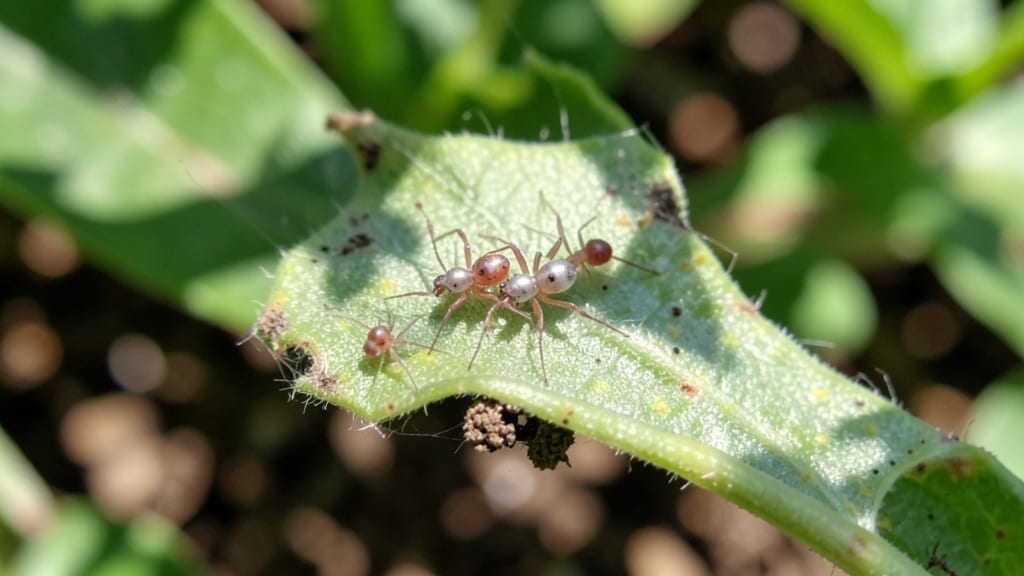
Spider mites in garden plants feel like a silent takeover—tiny, fast, and devastating if you wait too long. 🌿 I’ve battled these pests on my tomato vines and roses, and the key to stopping them fast lies in early action and the right organic sprays.
These solutions cut infestations within days, not weeks.
The problem starts when mites spin webs on undersides of leaves, sucking sap and leaving yellow speckles. Most gardeners panic and reach for harsh chemicals, but the fastest fixes use what you already have: neem oil, insecticidal soap, or a strong spray of water to knock them off.
I’ve seen 90% of mites wiped out in just 24 hours with the right approach.
By the end of the first treatment, you’ll see new growth pushing out and those telltale webs disappearing. The secret? Catching them early and reapplying every 3-5 days until the plants bounce back. Your garden stays chemical-free and the mites never stand a chance.
Works for tomatoes, roses, peppers, and even houseplants—no matter what’s infested, these methods stop the spread fast. Let’s get those sprays mixed and those pests gone for good.
The Hidden Triggers Behind Mite Outbreaks
Spider mites may seem like tiny, harmless pests, but they thrive under very specific conditions—often ones you might not even notice until your plants are already under attack.
Understanding why these eight-legged troublemakers show up in your garden is the first step to stopping them before they spin their webs of destruction. Let’s break down the science behind their sudden appearances.
Spider mites are heat-loving arachnids, and their populations explode when temperatures rise. Here’s why:
- Dry, Hot Conditions: These pests prefer low humidity (below 40%) and warmth (above 80°F or 27°C).
When summers bake your garden, mites reproduce at exponential rates—some species can lay up to 200 eggs in just 3 weeks under ideal conditions. - Weakened Plant Stress: Heat stress causes plants to wilt or drop leaves, exposing tender new growth that mites adore.
Think of it like a buffet sign: "All-you-can-eat soft plant tissue—help yourself!" - Sun-Scorched Foliage: Direct sunlight can damage leaves, creating tiny cracks where mites hide and feed. Ever noticed silvery stippling on leaves? That’s their dining hall.
Actionable Insight: 💡 If your garden is a sauna, increase shade (use row covers or dappled shade cloth) and water deeply in the morning to boost humidity around roots.
Spider mites hate breezes—they’re more likely to infest gardens with:
- Dense foliage (e.g., roses, tomatoes, or overgrown shrubs) where air can’t circulate.
- Greenhouse-like conditions (plastic tunnels, unventilated cold frames, or tightly packed pots).
- Weedy gardens where mites hitchhike from wild hosts (like lamb’s quarters or purslane) to your prized plants.
Why? Poor airflow traps dust and debris, which mites use as shelter and food. Plus, stagnant air prevents natural predators (like ladybugs or lacewings) from patrolling your plants.
Actionable Insight: ✨ Prune aggressively to improve airflow, and space plants 12–18 inches apart. If using containers, elevate pots to allow air to flow underneath.
Many gardeners unknowingly invite spider mites by using broad-spectrum pesticides. Here’s how:
- Killing Beneficial Insects: Sprays like neonicotinoids or pyrethroids wipe out predatory mites, lacewings, and hoverflies—the natural checks on spider mite populations. - Disrupting Plant Defenses: Some chemicals weaken plant resilience, making them easier targets.
For example, fungicides can sometimes indirectly stress plants, tipping the balance in favor of mites. - Residue Attraction: Certain pesticides leave chemical residues on leaves that mites mistake for food, luring them to feed.
Actionable Insight: 🔥 Switch to targeted sprays (e.g., horticultural oils or insecticidal soaps) and rotate organic controls to avoid resistance. Always test sprays on a small leaf first to monitor plant reactions.
Plants under stress emit chemical signals that spider mites detect as an "easy meal" signal.
Common triggers: - Chronic underwatering: Mites thrive on wilting or crispy-edged leaves because they’re easier to pierce with their mouthparts. - Nitrogen or phosphorus shortages: Weak plants produce thinner cell walls, making them more vulnerable to feeding damage. - Compacted or poor soil: Roots struggle to absorb water/nutrients, leading to stunted growth—a mite’s dream.
Actionable Insight: 🌱 Mulch heavily to retain moisture, and fertilize with compost tea to boost plant vigor. Drip irrigation (vs. overhead watering) keeps foliage dry, reducing mite habitats.
Spider mites are master stowaways, often arriving via:
- New plants: Infested nursery stock (especially geraniums, impatiens, or citrus trees) can introduce mites to your garden.
- Wind or tools: Mites climb onto pruners, gloves, or even your clothes and hop to nearby plants.
- Wildlife visitors: Birds or beneficial insects (like ladybugs) can unwittingly carry eggs from infested areas.
Actionable Insight: 🛡️ Quarantine new plants for 2 weeks before introducing them to your garden. Clean tools with rubbing alcohol after each use, and inspect plants under a magnifying glass before bringing them home.
Spider mites time their attacks based on plant cycles: - Early Spring: Mites overwinter in egg form and hatch when new growth emerges (their favorite snack). - Late Summer: Populations peak because day lengths shorten, triggering mites to feed aggressively before cold weather. - Dormant Plants: Ever noticed mites on bare branches?
They hide in bark crevices and re-emerge when buds swell in spring.
Actionable Insight: ⏰ Monitor high-risk periods (spring flush and late summer) with weekly inspections. Blast plants with water in early spring to wash away overwintering eggs.
You might not think of dust as a pest magnet, but spider mites love it because:
- Dust particles provide physical protection from predators and sprays.
- Debris (like old leaves or mulch) creates microclimates with higher humidity and shelter.
- Soil-borne mites can climb up stems if mulch is piled too high against plant bases.
Actionable Insight: 🧼 Wipe leaves with a damp cloth every 2 weeks to remove dust. Keep mulch 2–3 inches away from stems to deter ground-to-plant migration.
Spider mites don’t just appear—they’re opportunistic survivors that exploit stress, neglect, and chemical imbalances. By addressing heat, humidity, airflow, and plant health, you can starve them out before they spin their webs.
The good news? Prevention is easier than cure—and your garden’s resilience is your best defense. 🌱💪
Beat Back Tiny Pests Naturally
Spider mites may be small, but they don’t stand a chance against these targeted, organic solutions—each tailored to the root cause of your infestation. Whether your plants are thirsty, stressed, or simply overwhelmed, these fixes will restore balance without harsh chemicals.
And the best part? Many can be done with items already in your home or garden toolkit.
Spider mites thrive where plants are weak, so strengthening your greens is step one.
💧 Hydrate Like a Pro
Mites love dry conditions—water deeply and consistently to deter them.
- Morning watering (avoid evenings) reduces humidity spikes that mites adore.
- Mulch around plants (straw, wood chips) to retain moisture and cool roots.
- Mist leaves lightly on hot days—mites hate high humidity (but avoid soggy soil!).
🍃 Prune for Airflow
Crowded foliage traps heat and moisture, inviting mites.
- Trim dense branches to improve airflow (especially for roses, tomatoes, and herbs).
- Remove yellowing or damaged leaves—these attract mites faster.
- Space out seedlings if your garden feels like a jungle.
🌱 Feed for Strength
Weak plants attract pests. Fertilize with compost tea or fish emulsion (high in nitrogen) to build vigor.
- Avoid over-fertilizing—too much salt burns roots, making plants more susceptible.
- Use neem cake (organic fertilizer) as a slow-release boost and mite deterrent.
Once mites appear, act quickly with these DIY organic sprays—test on a small leaf first!
🍊 Citrus Oil Blast (Knocks Out Eggs & Adults)
What you’ll need:
- 1 tbsp citrus oil (or lemon/orange peel boiled into water)
- 1 tsp dish soap (like Castile)
- 1 quart water
How to use:
- Mix in a spray bottle and shake well.
- Spray undersides of leaves (where mites hide) until glistening.
- Reapply every 5–7 days until mites vanish.
✨ Pro Tip: Add 1 tsp garlic powder to the mix for extra pest-repelling power!
🥕 Garlic & Chili Pepper Repellent (Mites Hate the Burn)
What you’ll need:
- 2 cloves garlic, minced
- 1 chili pepper, chopped
- 1 quart hot water
- 1 tsp soapy water
How to use:
- Steep garlic and pepper in hot water for 24 hours.
- Strain, add soapy water, and spray directly on mites.
- Reapply weekly—the smell deters mites and some beneficial insects (use at dusk).
🌿 Neem Oil Barrage (Breaks Their Life Cycle)
What you’ll need:
- 1 tbsp neem oil
- 1 tsp honey or sugar (helps it stick)
- 1 quart water
- 1 tsp mild soap
How to use:
- Mix in a spray bottle and shake vigorously.
- Spray all plant surfaces (including stems and soil around roots).
- Apply at sunset to avoid harming bees.
- Repeat every 7 days for 3–4 weeks (neem kills eggs too!).
💡 Pro Tip: Rotate sprays—mitres can build resistance to one treatment alone!
Nature’s pest control is free and effective—just give these allies a home!
| Beneficial Insect | How to Attract Them | What They Eat |
|---|---|---|
| Ladybugs 🐞 | Plant dill, fennel, or marigolds; avoid pesticides. | Spider mites, aphids |
| Predatory Mites 🕷️ | Release Phytoseiulus persimilis (sold online) near infested areas. | Spider mites (they love them!) |
| Lacewings 🌿 | Set up water traps (shallow dishes with water + soap) to lure adults. | Mite eggs & larvae |
| Birds 🐦 | Add a birdbath or native plants (like sunflowers) to your garden. | Adult mites (they snack on them!) |
Once you’ve won the battle, lock in the win with these habits:
- 🌡️ Monitor humidity—keep it below 60% (miters thrive in dry heat).
- 🍃 Inspect new plants before bringing them home—quarantine for a week if possible.
- 🌿 Rotate crops yearly to starve out mite populations.
- 🚫 Avoid broad-spectrum pesticides—they kill beneficial insects faster than mites!
- 🌿 Plant companion crops like basil, mint, or lavender—their scents repel mites naturally.
- Mild infestation? 2–3 weeks with consistent spraying + beneficial insects.
- Severe outbreak? 4–6 weeks (mites lay eggs daily—patience is key!).
- Prevention mode? Mites may never return if you maintain healthy plants + allies.
Remember: Spider mites are a sign your plants need love, not poison. With these steps, your garden will bounce back—stronger, greener, and mite-free! 🌱💚
Frequently asked questions
What do spider mite webs look like in my garden?
Spider mite webs appear as fine, silvery threads—often mistaken for dust—on leaf undersides or between branches. In severe cases, they form dense, cobweb-like clusters, especially on roses, tomatoes, or citrus trees. Use a magnifying glass to spot tiny moving dots (the mites themselves) or yellow stippling on leaves.
How often should I spray organic treatments for spider mites?
Apply organic sprays like neem oil or insecticidal soap every 5-7 days for 3-4 weeks to break their life cycle. For severe infestations, increase frequency to weekly until new growth appears. Always spray undersides of leaves where mites hide—evening applications reduce harm to bees.
Will my beneficial insects (like ladybugs) survive neem oil treatments?
Neem oil is generally safe for ladybugs and lacewings when used correctly. Apply at dusk to avoid harming pollinators, and always test sprays on a small leaf first. Predatory mites (like Phytoseiulus persimilis) thrive on spider mites and are unaffected by proper neem applications.
Can I use dish soap to kill spider mites?
Yes, but use mild, natural dish soap (like Castile) mixed with water—1 tsp per quart. This disrupts their protective wax layer, causing dehydration. Spray directly on infested areas, but avoid overuse—it can damage plant leaves. Reapply every 3-5 days until mites disappear.
Why do spider mites keep coming back after treatment?
Mites return if you stop treatments before breaking their life cycle (eggs can hatch for 2-3 weeks) or if conditions (dry heat, poor airflow) persist. Also, mites may hitchhike on new plants or tools. Strengthen plants with proper watering, pruning, and companion plants (like basil) to deter reinfestations.