Pests
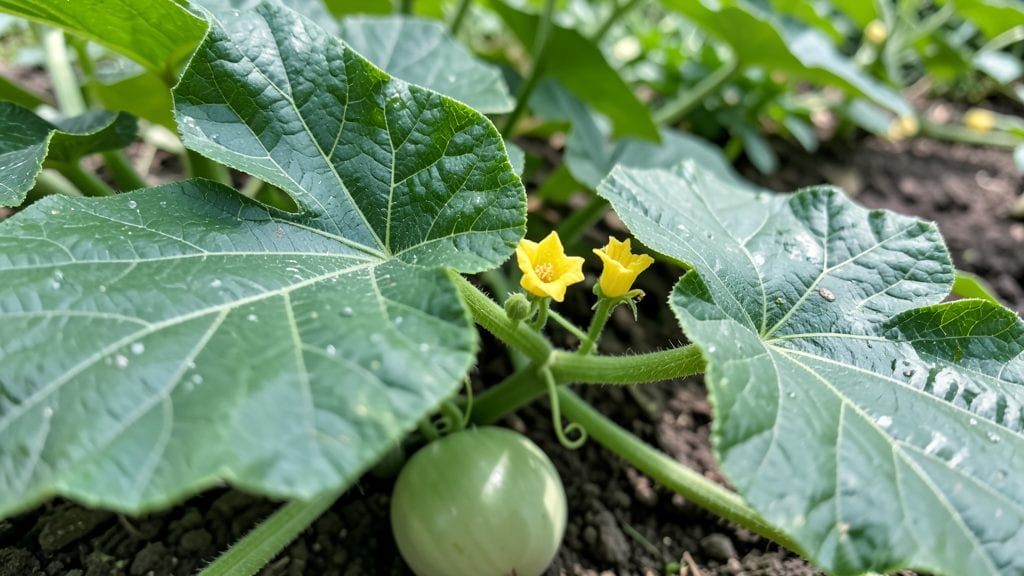
My outdoor garden used to be a squirrel buffet—until I stopped fighting them and started designing with them in mind. 🌿 These clever critters aren’t just pests; they’re ecosystem engineers that improve soil health and pollinate flowers while they’re at it.
The key is redirecting their energy toward plants they love and can’t destroy your harvest.
Start by planting their favorites—walnut trees, blackberry bushes, or even sunflower patches—far from your veggies. Add brush piles or dense shrubs for shelter so they feel at home without raiding your tomatoes.
A simple 10-foot buffer zone between their habitat and your crops works wonders. I’ve seen squirrels happily munch acorns in one corner while my peppers thrive untouched just a few feet away.
The payoff? A garden that thrives with wildlife, not against it. You’ll still get your harvests, and your yard becomes a mini wildlife sanctuary. Plus, watching them dig and forage adds a whole new level of gardening joy. Ready to turn those "pests" into partners?
This approach works for any yard size—whether you’ve got a postage-stamp patio or an acre of land. The secret is balance: give them what they need, but keep your priorities protected. Let’s make your garden a place they’ll want to visit, not just raid.
Why Squirrels Invade Gardens
Squirrels may seem like harmless, adorable critters, but when they invade your outdoor garden, they can wreak havoc on your plants, flowers, and even your hard work. Understanding the root causes of their behavior helps you take targeted action to keep them away—without relying on traps or repellents.
Let’s break down the science behind their garden visits.
Squirrels are opportunistic foragers, and their behavior is driven by survival instincts. In the wild, their diet consists of nuts, seeds, fruits, fungi, and even insects. When natural food sources become scarce—due to seasonal changes, drought, or overharvesting—they turn to human gardens as an easy alternative.
Why it happens:
- Seasonal shifts: During late summer and early fall, squirrels stockpile food for winter. If acorns, walnuts, or other natural snacks are in short supply, they’ll raid gardens for sunflower seeds, bulbs, or tender vegetables.
- Urban sprawl: As natural habitats shrink, squirrels adapt by exploiting suburban and urban gardens, where food is often more abundant and less guarded.
- Crop availability: Gardens with ripe fruits, vegetables, or flowering plants (like tomatoes, peppers, or marigolds) act like all-you-can-eat buffets to squirrels.
Actionable insight: 💡 Monitor your garden’s appeal—if you notice squirrels lingering, they’re likely drawn to specific plants. Remove fallen fruit, cover compost piles, and avoid over-fertilizing with seed-rich soil.
In the wild, squirrels face threats from birds of prey, coyotes, foxes, and even domestic dogs. However, in many suburban and urban areas, these predators are absent, giving squirrels free rein to explore—and raid—gardens without fear.
Why it happens:
- Human-altered landscapes: Fewer predators mean squirrels feel safer venturing into gardens, especially if they’ve learned that humans won’t harm them.
- Population booms: With fewer natural checks on their numbers, squirrel populations can explode, increasing competition for food and leading to more frequent garden visits.
- Territorial expansion: Young squirrels (called "kits") disperse from their natal nests in late summer and fall, seeking new territories. Gardens with easy food sources become prime real estate.
Actionable insight: 🔥 Encourage natural deterrents—install bird feeders with predator-perching branches (like hawks or owls) or create a small water feature to attract birds that prey on squirrels (e.g., blue jays or great horned owls).
Squirrels are incredibly intelligent and have excellent memories. If they discover a garden with easy pickings—like a bird feeder, open compost bin, or unprotected vegetable patch—they’ll return again and again. Their curiosity also leads them to explore new areas, especially if they spot other animals (like birds) feeding there.
Why it happens:
- Positive reinforcement: Every time a squirrel finds food in your garden without consequences, it reinforces the behavior. Over time, they’ll associate your garden with a reliable food source.
- Social learning: Squirrels communicate with each other through vocalizations and body language. If one squirrel succeeds in raiding a garden, others will follow its lead.
- Exploration drives: Young squirrels are naturally curious and will investigate new areas, especially if they smell or see food.
Actionable insight: ✨ Break the habit early—if you spot a squirrel investigating your garden, take immediate action (e.g., scatter cayenne pepper or use motion-activated sprinklers) to create a negative association.
Not all gardens are equally appealing to squirrels. Open layouts, easy access to food, and lack of barriers make it simple for them to help themselves.
Squirrels prefer gardens that offer: - Easy entry points (low fences, gaps in decks, or unsecured compost bins). - Soft landing spots (mulch, grass, or flower beds where they can dig or hide). - Hidden food sources (bulbs, seeds, or fallen fruit they can access without detection).
Why it happens:
- Poor landscaping: Gardens with dense ground cover or unsecured planting areas give squirrels cover to approach undetected.
- Overgrown areas: Tall grass, weeds, or shrubs provide hiding spots for squirrels to stalk prey (like birds) or ambush gardens.
- Lack of deterrents: Squirrels avoid gardens with physical barriers (like chicken wire), strong scents (e.g., predator urine or hot pepper), or noisy deterrents (wind chimes, reflective tape).
Actionable insight: 🎯 Audit your garden’s vulnerabilities—walk through your space from a squirrel’s perspective. Can they climb, dig, or jump in? Reinforce weak points with wire mesh, raised beds, or prickly plants like thorny roses.
Squirrel activity peaks during specific times of the year, aligning with their natural life cycles. Understanding these patterns helps you predict—and prevent—their visits.
| Season | Why Squirrels Visit | Key Targets in Your Garden |
|---|---|---|
| Spring | Seeking protein-rich foods (like bird eggs or insects) and preparing for breeding season. | Nesting materials, bird feeders, tender shoots |
| Summer | Hydrating and foraging for high-energy foods before winter. | Fruits, vegetables, birdseed, water sources |
| Fall | Most active! Stockpiling food for winter and dispersing young squirrels. | Nuts, bulbs, seeds, fallen fruit |
| Winter | Relying on cached food; may venture into gardens if natural sources are exhausted. | Bird feeders, unearthed bulbs, compost piles |
Actionable insight: 🌡️ Time your defenses—focus on squirrel-proofing in late summer and fall when their activity is highest. Use seasonal deterrents like motion-activated lights or temporary fencing during peak times.
Quick Fixes for Squirrel Garden Woes
Squirrels may be adorable, but their love for your garden can turn into a real headache—especially when they’re digging up bulbs, nibbling on veggies, or stealing seeds before they even sprout. The good news?
You don’t need fancy (or expensive) solutions to outsmart these bushy-tailed bandits. Below, we’ve mapped out practical, no-decoy strategies to protect your outdoor garden, organized by the most common squirrel behaviors and their fixes.
Squirrels are notorious for unearthing tulips, daffodils, and other spring blooms—often to snack on the roots or relocate them to their nests. Here’s how to bury the temptation before it becomes a problem:
🔨 Physical Barriers (Best for Established Gardens)
- Chicken Wire or Hardware Cloth: Bury a 12-inch deep mesh (with holes smaller than 1 inch) around bulb beds.
Squirrels can’t dig through it, and it won’t degrade like plastic. - Rock Mulch: A 3-inch layer of sharp-edged rocks (like gravel) deters digging.
Bonus: It looks great and suppresses weeds. - Burlap or Landscape Fabric: Lay it over bulb beds before planting, then cover with 2–3 inches of soil. Squirrels can’t dig through it, and it biodegrades over time.
🌱 Plant Squirrel-Resistant Alternatives
Swap prized bulbs for squirrel-proof plants that still pack visual punch:
- Alliums (ornamental onions)
- Crocuses (less appealing than tulips)
- Daffodils (toxic to squirrels—they’ll avoid them!)
💡 Pro Tip:
If you must plant squirrel magnets (like tulips), try planting them in containers buried just below the soil surface. Squirrels won’t dig deep enough to reach them!
Squirrels adore fresh veggies—especially corn, beans, and squash. To save your harvest without scaring them away, try these low-effort tricks:
🍳 Temporary Deterrents (Quick Wins)
- Cayenne Pepper Spray: Mix 2 tbsp cayenne pepper + 1 tsp dish soap + 1 quart water, spray on plants (reapply after rain).
Squirrels hate the spicy kick! - Aluminum Foil or Reflective Tape: Hang strips from plants or fences—the glare and noise confuse them. - Motion-Activated Sprinklers: A few gentle squirts of water when they approach will train them to avoid your garden.
👨🍳 Long-Term Garden Guardians
- Elevate Crops: Use raised beds with fine mesh or hanging planters for squash and beans.
- Interplant with Squirrel Haters: Grow garlic, onions, or marigolds near veggies—their strong scents repel squirrels.
- Harvest Early: Pick veggies before they fully ripen (squirrels target ripe produce).
⏰ Timing Is Everything
Squirrels are most active at dawn and dusk. Do a quick garden patrol during these times to hand-remove them (gently shoo them away with a broom or hose).
Squirrels love fresh seeds—whether in seed packets, seed trays, or newly planted rows. Here’s how to outsmart their snacking habits:
🔪 Secure Seed Storage
- Use Metal or Thick Plastic Containers: Squirrels can chew through cardboard and thin plastic.
Opt for lockable metal bins or BPA-free hard plastic. - Hang Seed Packets Upside Down: Store them in a mesh bag and hang it from a shepherd’s hook (squirrels can’t reach them). - Plant Seeds Deeply: Press seeds 1–2 inches into soil (squirrels won’t dig that deep).
🌱 Fake-Out Planting Tricks
- Scatter Non-Edible Seeds: Plant wheat, millet, or sunflower seeds in a separate area—squirrels will go for those instead of your veggies.
- Use Decoy Trays: Fill a few seed trays with cheap, squirrel-loved seeds (like corn) and place them far from your garden.
Redirect their attention!
🎯 The "Squirrel Buffet" Method
Create a distraction zone 20+ feet from your garden:
- Bury a large bag of unsalted peanuts or squirrel chow in the ground.
- Place a bird feeder with squirrel-friendly seeds (like black oil sunflower) on a pole away from plants.
Want to keep squirrels out for good? Follow this monthly maintenance plan:
| Season | Task | Why It Works |
|---|---|---|
| Spring | Bury hardware cloth around bulbs | Stops digging before they learn your routine |
| Summer | Refresh cayenne pepper spray weekly | Keeps them off veggies as they ripen |
| Fall | Remove fallen fruit/nuts from yard | Reduces food sources that attract them |
| Winter | Check for chewed bark on young trees | Squirrels gnaw in winter—protect saplings |
Squirrels aren’t going anywhere, but with these simple, squirrel-smart strategies, you can protect your garden without traps, cages, or cruel tactics. The key? Combine physical barriers, scent deterrents, and distraction techniques for the best results.
Which fix will you try first? 🐿️🚫🌱
Frequently asked questions
What plants should I include to attract squirrels to a specific area?
Focus on their natural favorites like walnut trees, blackberry bushes, and sunflower patches. These plants provide food while keeping squirrels away from your veggies. A 10-foot buffer zone between their feeding area and your crops works best.
Will squirrels damage my garden if I leave out food for them?
Yes, but strategically. Place squirrel food like unsalted peanuts or squirrel chow in a distraction zone 20+ feet from your garden. This redirects them while protecting your plants. The key is balance—give them what they need, but keep your priorities safe.
Can I use natural deterrents like cayenne pepper or garlic?
Mix 2 tbsp cayenne pepper + 1 tsp dish soap + 1 quart water and spray on plants. Squirrels hate the spicy kick. For veggies, plant garlic or onions nearby—their strong scent repels them naturally. Reapply after rain for best results.
How do I protect my bulbs from squirrels digging them up?
Bury hardware cloth 12 inches deep around bulb beds or use rock mulch (3-inch layer). For a DIY fix, try burlap or landscape fabric covered with soil. Squirrels can’t dig through these barriers, and they’re easy to install.
Are there squirrel-resistant plants I can use instead of tulips?
Yes! Swap tulips for daffodils (toxic to squirrels), alliums, or crocuses. These still add color and beauty to your garden without attracting squirrels. If you love tulips, plant them in containers buried just below soil level—squirrels won’t dig deep enough.