
Flowers
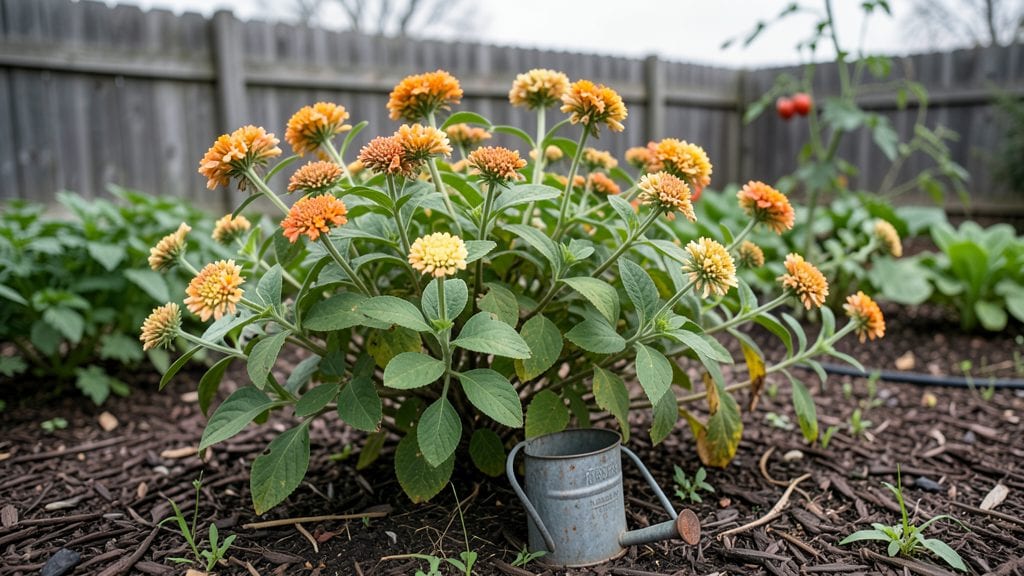
Texas flower gardening isn't just about surviving the heat—it's about creating a riot of color that thrives when others fade. 🌿 I spent years watching my sun-starved blooms wilt, until I discovered the secret: native Texas flowers that drink deep but never beg for water.
The right mix of drought-tolerant perennials and seasonal annuals turns your yard into a magnet for hummingbirds and butterflies.
Start with a layout that mimics the prairie: clumps of blackfoot daisies and Mexican feather grass anchor the design, while bluebonnets and Indian paintbrush spill across borders like wildfire. Most of these need full sun and well-draining soil—no fancy amendments required.
The key is spacing: give plants room to breathe, and you'll avoid the fungal diseases that plague crowded beds.
By mid-summer, your garden will burst with salvia's violet spikes, lantana's yellow-orange clusters, and blanket flowers that glow like embers. The fragrance alone—especially after a rare Texas rain—will make neighbors ask for your secret.
And the best part? Once established, these plants need watering just once a week, even in July.
This works for both wildflower meadows and structured beds, whether you're in the Hill Country or East Texas. The only rule: plant what loves the heat as much as you do. Let's get those colors going!
📚 In This Guide
- What you need
- Instructions
- Tips and common mistakes
- Wrapping up and next steps
What you need
- ● Native Texas flowers: Choose heat-tolerant varieties like Lantana, Blackfoot Daisy, or Mexican Feather Grass (3–5 plants per section).
- ● Well-draining soil: 5–10 bags of native soil mix or compost-amended topsoil (1 cubic yard per 100 sq. ft.).
- ● Mulch: 2–3 bags of organic mulch (like pine straw or wood chips) to retain moisture.
- ● Fertilizer: Slow-release balanced fertilizer (10-10-10) or native plant-specific granules.
- ○ Drip irrigation system: Optional but ideal for Texas heat—soaker hoses or micro-sprayers (adjustable for 1–2 hours/day).
- ● Garden gloves (1 pair, heavy-duty for prickly plants).
- ● Hand trowel (for planting small bulbs/seeds).
- ● Pruners (bypass pruners for clean cuts).
- ● Garden fork (for aerating soil).
- ○ Wheelbarrow (optional, for hauling soil/mulch).
- ● Sun hat & sunscreen (Texas heat is no joke! 😎).
- ● 🌡️ Test your soil—Texas clay? Amend with sand or compost for better drainage.
- ● ✨ Plant in early spring (March–April) to avoid peak summer stress.
- ● 💧 Water deeply but infrequently—encourages strong root growth.
Instructions for designing a heat-resistant Texas flower garden
Here's how to create a vibrant, drought-tolerant garden that blooms reliably through Texas summers.
🪴 Step 1: Select Native and Heat-Adapted Flower Varieties
Start with Texas native flowers like blackfoot daisy (Melampodium leucanthum), Mexican feathergrass (Nassella tenuissima), and Turk's cap (Malvaviscus arboreus), which thrive in 100°F+ conditions. These species have evolved deep root systems to access moisture and waxy foliage to conserve water. I always include Lantana for its nonstop blooming and Zinnias for their ability to rebound after heat stress.
For color impact, add Mexican sunflower (Tithonia rotundifolia) and Firebush (Hamelia patens)—both attract pollinators while enduring Texas heat. Avoid tender annuals like impatiens; they wilt within days of 95°F+ temperatures. Stick to perennials and drought-tolerant shrubs for long-term success.
☀️ Step 2: Position for Maximum Sun Exposure and Wind Protection
Texas gardens need full sun (6+ hours daily)—place taller plants like Mexican bush sage (Salvia leucantha) at the north end of beds to avoid shading shorter varieties. I position Lantana and Zinnias along the south and west edges where they'll receive the most intense afternoon sun. Group plants with similar water needs together to simplify irrigation.
Use windbreaks like yucca or agave on exposed sites to reduce moisture loss. In open areas, I install 3-foot-tall lattice screens filled with crossvine (Bignonia capreolata) to create shelter while adding vertical interest. This protects delicate blooms from drying winds while maintaining airflow to prevent fungal issues.
💧 Step 3: Amend Soil and Establish Deep Watering Routines
Texas clay soil needs 3-4 inches of organic matter mixed into the top 12 inches—compost or aged manure improves drainage while retaining moisture. I test soil pH and adjust to 6.2-7.0 using pelletized lime if needed, as alkaline conditions stress many native flowers. Add 1 inch of mulch (pine bark or gravel) to suppress weeds and reduce evaporation.
Water deeply 2-3 times per week rather than daily shallow watering. Use drip irrigation set to deliver 1-1.5 gallons per plant over 30-45 minutes to encourage deep root growth. I schedule watering early morning (6-9 AM) to minimize evaporation and fungal risks. Let soil dry 2-3 inches deep between waterings—this trains roots to seek moisture deeper.
✂️ Step 4: Prune Strategically for Continuous Bloom and Heat Resilience
Deadhead spent blooms on Mexican sunflower and Firebush weekly to redirect energy into new growth. For Lantana, I shear back one-third of the plant in early spring to promote bushier, heat-resistant foliage. Avoid heavy pruning in summer—it stresses plants already battling heat. Instead, trim only overly leggy stems to maintain airflow.
In late summer, reduce watering slightly to once weekly to harden off plants before fall. This prevents sudden shock when temperatures drop. I also fertilize lightly with low-nitrogen, high-phosphorus formula (10-30-10) in early spring to support blooming without encouraging lush, heat-sensitive foliage.
🌿 Step 5: Monitor and Adjust for Texas-Specific Challenges
Watch for aphids on new growth—spray with neem oil at first sign, as chemical pesticides harm pollinators. I also check for whiteflies on Lantana, using yellow sticky traps to monitor populations before treating. In extreme drought, group plants by water needs: Blackfoot daisy and Mexican feathergrass need less than Firebush or Zinnias. Adjust watering zones accordingly.
By mid-summer, some plants may show wilting—this is normal in 100°F+ heat. Provide afternoon shade with 50% shade cloth temporarily if needed, but remove it by late summer to avoid shocking plants when temperatures drop. Native Texas flowers rebound quickly once heat subsides, proving their resilience.
Tips & tricks for perfect Texas flower gardening
Creating a thriving Texas garden in extreme heat isn't just about planting—it's about understanding the subtle science behind these sun-loving plants.
Selection Strategy: When selecting your native Texas flowers, prioritize those with silver or gray foliage—like Mexican feathergrass or blackfoot daisy—as these varieties naturally reflect sunlight, reducing heat stress. I've found that plants with hairy or waxy leaves (such as Turk's cap) also perform exceptionally well in 100°F+ conditions because their surfaces repel moisture loss. For maximum impact, combine these with Firebush and Lantana, which not only survive but thrive under intense sun exposure.
Sunlight Optimization: In Step 2, when positioning your plants, remember that south-facing beds receive the most intense afternoon sun—ideal for Zinnias and Mexican sunflower. However, be cautious with Mexican bush sage; while it loves sun, placing it too close to the south edge can cause leaf scorch. I recommend positioning it slightly northward while still ensuring it gets 6+ hours of direct sunlight. For wind protection, consider using yucca plants as natural windbreaks—their sharp leaves create a physical barrier while adding architectural interest.
Soil Preparation Insight: The 3-4 inches of organic matter in Step 3 isn't just about improving drainage—it's about creating a moisture reservoir that helps roots access water during 95°F+ heatwaves. I've seen dramatic differences when using composted hardwood mulch rather than fresh wood chips, as it breaks down slowly without robbing nitrogen from your plants. For alkaline soils, don't overcorrect with lime—aim for 6.2-7.0 pH and test again in 6 months, as native Texas plants often prefer slightly alkaline conditions.
Watering Wisdom: The 30-45 minute deep watering schedule in Step 3 is crucial, but timing matters just as much. Watering in the early morning (6-9 AM) allows foliage to dry completely before evening humidity sets in, which prevents fungal diseases. I've noticed that Firebush and Lantana actually benefit from slightly drier conditions than Zinnias, so I create separate watering zones based on their specific needs. For new gardeners, I recommend installing a rain gauge to track exactly how much water your plants receive—Texas summers can be deceiving with sudden cloudbursts that overwater sensitive species.
Pro Tips for Texas Flower Gardening
- Creating a thriving Texas garden in extreme heat isn't just about planting—it's about understanding the subtle science behind these sun-loving plants.
- Selection Strategy: When selecting your native Texas flowers, prioritize those with silver or gray foliage—like Mexican feathergrass or blackfoot daisy—as these varieties naturally reflect sunlight, reducing heat stress.
- Sunlight Optimization: In Step 2, when positioning your plants, remember that south-facing beds receive the most intense afternoon sun—ideal for Zinnias and Mexican sunflower.
Frequently asked questions
What are the best drought-tolerant flowers for Texas gardens?
Texas’s heat and dry spells call for resilient blooms! Opt for native wildflowers like Blackfoot Daisy or Mexican Feather Grass (not a true flower, but drought-proof!). Other top picks: Lantana (butterfly magnet!), Salvia, and Yucca. These thrive with minimal water once established—perfect for low-maintenance gardens.
When is the ideal time to plant flowers in Texas?
Timing matters! For spring blooms, plant in late winter to early spring (February–March) after the last frost. Fall planting (September–October) is ideal for cool-season flowers like Pansies or Sweet Alyssum. Avoid summer planting—heat stress can stunt young plants. Pro tip: Water deeply after planting to help roots establish!
How do I attract pollinators to my Texas garden?
Pollinators love native, nectar-rich flowers! Plant Bluebonnets, Mexican Sunflowers, or Zinnias for bees and butterflies. Add milkweed to lure Monarchs. Avoid pesticides, and provide water sources (like shallow dishes with pebbles). Bonus: Let some flowers go to seed—they’re a free snack for birds!
Why are my Texas flowers wilting in extreme heat?
Wilted blooms? Overwatering or underwatering are often culprits. Texas flowers need deep, infrequent watering (1–1.5 inches per week). Check soil moisture—if the top inch is dry, it’s time to water. Morning watering reduces evaporation. Shade cloth can protect delicate plants during 100°F+ heatwaves.
Can I grow flowers in containers in Texas?
Containers work great for small spaces or renters. Choose heat-tolerant varieties like Portulaca (Moss Rose) or Lantana. Use well-draining soil with perlite, and opt for terracotta pots (they wick away moisture). Place containers in partial shade if your yard has scorching afternoon sun.
Wrapping up and next steps
Gardening in Texas’s sun-soaked climate doesn’t have to be a challenge—it’s all about choosing the right heat-loving blooms and giving them the care they crave! 🌞 From drought-resistant wildflowers to vibrant perennials, your garden can burst with color while thriving in the Lone Star State’s unique conditions.
Whether you’re a seasoned green thumb or just starting, every step you take brings you closer to a stunning, low-maintenance oasis.
Ready to bloom with confidence? Start small—pick one or two sun-loving plants from this guide, plant them with love, and watch your garden transform. Happy gardening, Texan!