
Vegetables
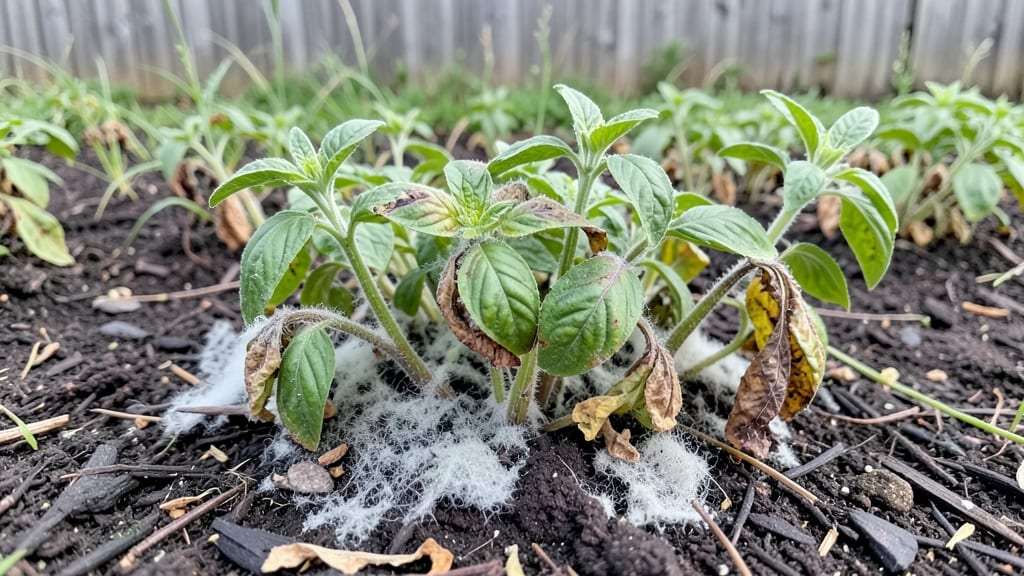
Vegetable garden fungus turns your hard work into a sad, moldy mess—unless you know the science-backed sprays that actually stop it. 🌱 I’ve lost entire tomato crops to blight and watched peppers rot from powdery mildew, but these targeted treatments saved my next harvest.
The key isn’t just spraying anything; it’s matching the fungus to the right spray before it spreads.
Most gardeners panic and grab the strongest fungicide, but that’s overkill—and often unnecessary. Instead, focus on preventive sprays like neem oil for powdery mildew or copper-based treatments for early blight. These work because they disrupt the fungus’s life cycle without harming your plants or the soil.
The best part? You can mix most of them yourself for a fraction of the cost of store-bought sprays.
By the time you’re done, your plants will look vibrant and disease-free, not just surviving. The secret is acting fast—spotting the first signs of white fuzz or dark spots means you’ve already won half the battle.
With the right spray schedule, you’ll protect your tomatoes, peppers, and greens all season long.
This works for home gardens, raised beds, or even container setups—just adjust the spray volume. The goal isn’t perfection; it’s consistent defense so your veggies thrive instead of wither. Let’s get those plants fighting back.
Root Causes Of Garden Fungi
Fungi in your vegetable garden aren’t just random bad luck—they thrive because of specific conditions and mistakes gardeners often make. Understanding these root causes is the first step to stopping outbreaks before they ruin your harvest.
Below, we break down the why behind fungal invasions, so you can tackle them with precision.
Fungi love moisture—it’s their lifeblood. When soil stays soggy for too long, spores germinate and spread rapidly. Here’s why this happens:
- Compacted or clay-heavy soil struggles to drain, trapping water at root level.
- Overwatering (especially late in the day) leaves foliage damp overnight, creating a fungal buffet.
- Poor air circulation in dense plantings or thick mulch layers suffocates roots, weakening defenses.
Actionable fix: Test your soil’s drainage by digging a hole—if water pools after 6 hours, amend with compost or sand. Space plants for airflow and water early in the day.
Fungi spread like wildfire in humid, still air. Greenhouses, shaded areas, and crowded gardens are prime breeding grounds because:
- Condensation on leaves (from poor ventilation) creates a moist film where spores land.
- Low sunlight weakens plants, making them easier targets for pathogens.
- Monoculture planting (growing the same crop repeatedly) exhausts soil and invites fungal specialists.
Actionable fix: Use row covers for airflow, prune for sunlight access, and rotate crops yearly. A small fan in greenhouses can disrupt fungal spores mid-air!
Healthy plants resist fungi, but stress opens the door. Common triggers include:
- Nutrient deficiencies (e.g., low nitrogen or phosphorus) starve plants, making them vulnerable.
- Physical damage from pests (like slugs or aphids) creates entry points for infections.
- Sudden temperature swings (e.g., frost followed by heat) shock plants into susceptibility.
Actionable fix: Feed plants with balanced fertilizer (like 10-10-10) and monitor for pests. Mulch with straw to protect roots from temperature extremes.
Fungal spores hitchhike on dirty tools, compost, or old plant debris. Even "clean" soil can harbor dormant spores if:
- Garden tools (pruners, trowels) aren’t sterilized between uses.
- Compost piles are too hot or lack proper aeration, preserving pathogens.
- Infected plant material (like last year’s tomato stems) is left in the bed.
Actionable fix: Sterilize tools with 70% alcohol or bleach water (1:10 ratio). Compost only disease-free plant matter and turn piles regularly to kill spores.
Fungi follow a simple formula: moisture + warmth + food (decaying matter) = outbreak. Common scenarios include:
- Spring showers after dry spells trigger sudden spore germination.
- Summer heatwaves paired with afternoon watering create the perfect humidity spike.
- Fallen leaves or mulch piled against stems trap moisture against plant tissue.
Actionable fix: Remove debris promptly and avoid overhead watering. Use drip irrigation to keep foliage dry.
Pro Tip: 💡 Fungi spread fastest in the "Goldilocks Zone"—not too hot, not too cold, but just right. Monitor your garden’s microclimate with a hygrometer to catch risky conditions early!
Treat And Prevent Fungal Woes
Fungal infections in your vegetable garden can feel like an uphill battle, but with the right strategies, you can restore your plants to health—and keep them thriving.
Below, we’ll map out practical, science-backed solutions for common fungus causes, from damp soil to poor airflow, along with prevention tips to stop future outbreaks.
Cause: Too much moisture (especially on leaves) creates the perfect breeding ground for fungi like powdery mildew or blight.
How to Treat It:
- 🔥 Stop watering from above—switch to drip irrigation or soak the soil at the base instead.
- 🍳 Prune infected leaves immediately (sterilize your pruners with rubbing alcohol first!).
- 👨🍳 Apply a fungicide spray—neem oil (1 tbsp per quart of water) or baking soda mix (1 tsp baking soda + 1 quart water + a drop of dish soap) works wonders.
Prevention Tips: ✔ Water early in the day so foliage dries quickly. ✔ Improve soil drainage by amending with compost or sand. ✔ Space plants properly for better airflow (fungi hate circulation!).
Cause: Fungi like downy mildew and gray mold thrive in high humidity and low sunlight.
How to Treat It:
- 🔪 Thin out crowded plants to improve airflow.
- 🌡️ Use a fan (yes, really!) for 10–15 minutes daily to reduce humidity.
- ⏰ Harvest ripe veggies promptly—overripe produce attracts fungal spores.
Prevention Tips: ✔ Choose disease-resistant varieties (e.g., ‘Regal’ cucumbers for powdery mildew). ✔ Rotate crops yearly to prevent soil-borne fungi from building up. ✔ Mulch with straw (not wood chips) to keep soil dry without trapping moisture.
Cause: Fungal spores linger on tools, gloves, or compost, reinfecting your garden.
How to Treat It:
- 🔪 Sterilize tools with bleach (1 part bleach to 9 parts water) or rubbing alcohol.
- 🥘 Replace contaminated soil in pots or beds (sterilize with solarization if needed).
- 🌱 Quarantine infected plants away from healthy ones.
Prevention Tips: ✔ Disinfect tools after each use (even between gardens!). ✔ Avoid fresh manure—compost it for 3–6 months before using. ✔ Use raised beds with fresh, sterile soil to reduce pathogen buildup.
| Issue | Organic Fix | Chemical Fix (Last Resort) |
|---|---|---|
| Powdery Mildew | Neem oil + sulfur spray | Copper fungicide |
| Blight (Tomatoes) | Baking soda spray + pruning | Chlorothalonil (follow label!) |
| Root Rot | Hydrogen peroxide (3%) soil soak | Fungicide drench (e.g., Subdue) |
Pro Tip: 💡 Rotate treatments to prevent fungus from becoming resistant!
- 🌱 Crop rotation (never plant the same family in the same spot two years in a row).
- 🍅 Interplant with fungicide allies like garlic, chives, or marigolds.
- 🌡️ Monitor humidity—aim for 40–60% with a hygrometer if needed.
Final Reminder: Fungi spread fast, but early action keeps your garden lush and productive. Start with prevention, then treat aggressively—your tomatoes (and sanity) will thank you! 🍅✨
Frequently asked questions about vegetable garden fungi
What are the first signs of fungus in my vegetable plants?
Look for white powdery coatings (powdery mildew), dark spots with yellow halos (early blight), or fuzzy gray growth (downy mildew). Check undersides of leaves first—fungi often start there. Leaf yellowing, stunted growth, or premature fruit drop are also red flags.
Can I use household items like vinegar or baking soda to treat fungus?
Yes! A baking soda spray (1 tsp baking soda + 1 quart water + a drop of dish soap) works well for powdery mildew. For vinegar, mix 1 tablespoon white vinegar per gallon of water and spray on leaves—but avoid using it on soil or sensitive plants like onions. Test on a small area first to check for leaf burn.
How do I know if my soil has fungal spores before planting?
Check for musty smells, slimy textures, or visible mold in your soil. Conduct a simple test: Mix 1 cup of soil with 1 cup of water and let it sit for 24 hours. If white fuzz appears on the surface, spores are present. Sterilize soil by baking it at 180°F for 30 minutes or using solarization (covering with clear plastic for 4-6 weeks).
Will fungicides harm beneficial insects like bees or ladybugs?
Most chemical fungicides can harm beneficial insects, but organic options like neem oil or copper-based sprays are safer. Apply fungicides early in the morning when bees are less active, and avoid spraying flowers directly. For maximum safety, use preventive sprays instead of treating active infections.
Can I save a plant that’s already heavily infected with fungus?
For severe infections, it’s often best to remove and destroy the plant (don’t compost it!) to prevent spread. However, if the fungus is localized (e.g., just a few leaves), prune the infected parts, sterilize your tools, and treat the remaining plant with a fungicide. Monitor closely—if new symptoms appear, remove the plant entirely.