
Fertilization
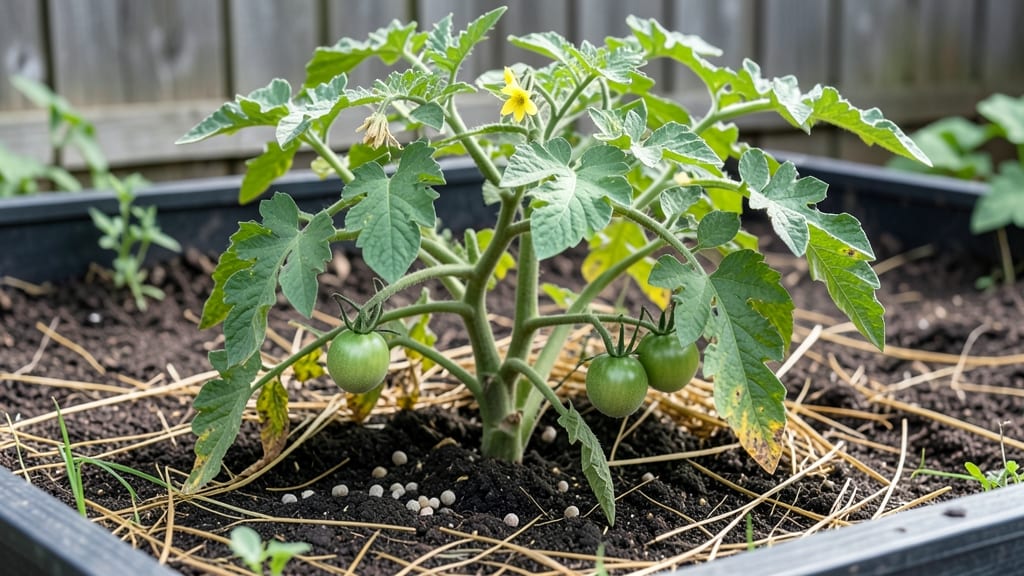
The best time to fertilize your garden is early spring and again mid-season—timing that aligns with your 🌱 General Garden's growth cycles in USDA Zone 6a.
Timing your garden fertilization perfectly can mean the difference between lush, thriving plants and struggling crops—yet many gardeners miss the optimal windows. A single late application can burn roots, while skipping it leaves your soil nutrient-depleted by summer.
For your 🌱 General Garden, the key is feeding just before planting in April (after last frost) and again in June, when plants are actively growing. But here’s the catch: evergreens and slow-release fertilizers follow different rules—some need no spring boost at all.
Below, I break down the exact schedule by plant type, how to read your soil’s hunger signals, and when to pause fertilization entirely—so you’re never over- or under-doing it.

Seasonal fertilization schedule by plant type and climate zone
Fertilizing your garden at the right time ensures your plants get the nutrients they need when they need them most. Unlike a one-size-fits-all approach, the best fertilization schedule depends on your USDA climate zone, plant type, and seasonal growth cycles.
For example, cool-season crops like broccoli and spinach thrive with early spring feeding, while tomatoes and peppers benefit from mid-summer boosts when fruiting begins. Understanding these patterns helps you avoid wasting fertilizer while maximizing growth.
Your climate zone plays a critical role in timing. Gardeners in zones 3-5 (colder regions) should fertilize earlier in the season to account for shorter growing periods, while those in zones 8-10 (warmer climates) can extend fertilization into late fall.
Even within the same zone, annuals, perennials, and vegetables have distinct needs. Let’s break down the science-backed schedule to keep your garden thriving year-round.
| Plant Type | Climate Zone | Early Spring (Mar-Apr) | Mid-Season (May-Jul) | Late Summer (Aug-Sep) | Fall (Oct-Nov) | Winter (Dec-Feb) |
|---|---|---|---|---|---|---|
| Annuals (Tomatoes, Peppers, Marigolds) | Zones 3-7 | Pre-planting (balanced NPK 10-10-10) | Every 4-6 weeks (high-nitrogen for leafy growth) | Switch to low-nitrogen (5-10-10) for flowering/fruiting | None (unless extending season) | None |
| Perennials (Roses, Lavender, Hostas) | Zones 4-8 | Early spring (slow-release organic) | Every 6-8 weeks (low-nitrogen for established plants) | Light feeding for late bloomers | Fall prep (compost top-dressing) | None (dormant) |
| Vegetables (Broccoli, Lettuce, Carrots) | Zones 5-9 | Cool-season crops (high-phosphorus for roots) | Every 3-4 weeks (balanced NPK) | None (unless replanting) | None (harvest complete) | None |
| Lawns (Cool-season: Fescue, Ryegrass / Warm-season: Bermuda, Zoysia) | Zones 3-10 | Cool-season: Early spring (high-nitrogen) | Warm-season: Late spring (slow-release) | None (unless thin areas) | Cool-season: Fall (60% annual nitrogen) | None |
| Evergreens (Pine, Spruce, Boxwood) | Zones 6-9 | Early spring (acid-loving: peat moss + iron) | Every 8-12 weeks (low-nitrogen) | None (unless stressed) | None | None |
For annuals, timing is everything. Start with a pre-planting feed in early spring to jumpstart growth, then switch to a low-nitrogen fertilizer when flowers or fruits appear. For example, tomatoes need more phosphorus and potassium as they set fruit, while basil responds well to regular nitrogen boosts.
In zones 8-10, you can extend fertilization into late fall for warm-season crops like sweet potatoes or okra.
Perennials follow a different rhythm. They store nutrients in their roots, so they need less frequent feeding—typically every 6-8 weeks during active growth. In early spring, focus on slow-release organic fertilizers to avoid burning roots. For roses, a mid-season boost with high-phosphorus fertilizer encourages vibrant blooms. In fall, top-dress with compost to build soil health for next year. This approach mirrors nature’s cycle and reduces waste.
Vegetable gardens demand precision. Cool-season crops like kale and peas thrive with early spring fertilization, while warm-season crops such as corn and cucumbers need mid-season feeding when they’re actively growing. In zones 5-7, you can even stagger fertilization for successive plantings, ensuring a continuous harvest.
For example, plant lettuce in early spring with a high-nitrogen feed, then again in late summer with a balanced fertilizer.
Lawn care follows a climate-driven schedule. In cool-season zones (3-6), fertilize in early spring and fall, while warm-season zones (7-10) focus on late spring and summer. A common mistake is over-fertilizing in summer, which can stress grass.
Instead, use slow-release fertilizers to provide steady nutrients. For lawn repair, a light feeding in late summer can help recover from heat stress before winter.
Don’t forget about evergreens and ornamental shrubs
Signs your garden needs fertilizer (and when to avoid it)
Your plants are whispering for help—literally! If your tomatoes or roses show yellowing leaves (chlorosis), stunted growth, or pale stems, they’re likely nutrient-deficient. These visual cues mean your soil may lack nitrogen, phosphorus, or potassium, the trio every gardener needs to balance.
But before reaching for that fertilizer bag, ask yourself: Is this truly a hunger signal, or are you misreading stress from overwatering or pests?
I once assumed my peppers needed extra food because their leaves curled at the edges—turns out, they were thirsty, not starving! Always rule out drought stress or fungal infections first.
A quick soil test (DIY kits cost ~$10) can reveal pH imbalances or nutrient gaps, saving you from over-fertilizing and burning roots. Healthy soil is the foundation; fertilizers are just the icing.
🚨 PROS-CONS BOX 🚨
- 🌱 Early Spring (Pre-planting)
- ☀️ Mid-Summer (Peak growth)
- 🍂 Early Fall (Pre-winter prep)
- 🌡️ Extreme Heat (Burns roots)
- 🌧️ Heavy Rain (Washes away nutrients)
- ❄️ Winter Dormancy (Plants aren’t active)
Over-fertilizing is a silent killer—your marigolds might look vibrant at first, but excess salts in the soil can stunt roots and attract pests like aphids. Watch for brown leaf tips or white crust on soil; these are red flags.
If your lawn grows fast but then turns yellowish-brown, you’ve likely overdone it. Always follow the "less is more" rule: 1/4 to 1/2 the recommended dose is often enough for established plants.
Weather plays a sneaky role. If your area is in a drought or facing triple-digit heat, hold off on fertilizing—plants prioritize survival over growth. Even rainfall matters: Fertilize 24-48 hours before a predicted downpour to prevent nutrient runoff.
I learned this the hard way when my zucchini vines wilted after a fertilizer-heavy rain—turns out, the nutrients had washed away faster than my watering can!
Seasonal clues matter too. Cool-season crops like kale or spinach thrive with a spring boost, while warm-season lovers (think peppers or tomatoes) need feeding after transplanting.
Perennials like lavender or roses only need a light feed in spring—they’re not gluttons! Always match your fertilizer to the plant’s life stage.
Listen to your garden’s rhythm. If your soil feels light (like sand) or smells sour, it’s begging for organic matter. Amend with compost first—it’s nature’s slow-release fertilizer. And remember: Slow-release granules or liquid feeds (like fish emulsion) are gentler than synthetic spikes.
When in doubt, test your soil twice a year—spring and fall—to adjust your plan without guessing.
Your garden’s health is a balancing act. Feed when roots are active, avoid stress triggers, and always prioritize soil health over quick fixes. With practice, you’ll learn to read your plants’ needs like a pro—no more wasted fertilizer or wilted dreams! 🌿