
Picking
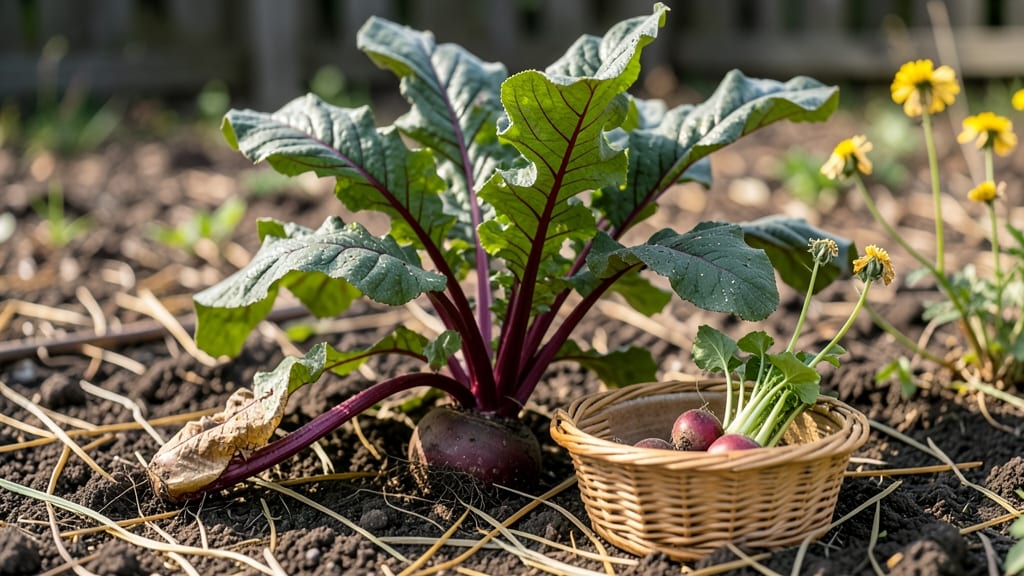
Harvesting beets from your garden at the right time means the difference between a tender, sweet root and a tough, woody mess 🍠—and it all comes down to knowing the exact cues.
Harvesting beets at the wrong time can turn sweet, earthy roots into tough, woody disappointments—but knowing the exact signs guarantees a garden full of tender, flavorful harvests. The key? Timing based on size, color, and soil conditions rather than just days after planting.
Most gardeners wait too long, thinking bigger means better—until they slice into a fibrous, bitter root. The truth is, beets are best harvested when they’re 1-3 inches wide, with vibrant greens and deep, even color.
But how do you know for sure? I’ll break down the simple soil checks and size guides that take the guesswork out of it.
Whether you’re growing Detroit Dark Red or golden Chioggia varieties, you’ll learn when to pull the roots for peak sweetness, how to tell if they’re still too small, and even when to harvest the greens first for a double harvest. Ready to turn your beet patch into a flavor powerhouse?


How to check soil and root size for perfect beet harvest timing
Timing your beet harvest is all about balancing root size, soil conditions, and leaf maturity. Overlook these clues, and you’ll end up with roots that are either too small or woody.
The good news? With a few simple checks, you can predict the perfect moment to pull beets that are sweet, tender, and packed with flavor.
Start by testing your soil moisture—dry soil signals stress, which makes beets tough. Then, examine the root diameter (aim for 1-3 inches) and the leaf color. These three factors together tell you whether your beets are ready to harvest or need more time in the ground.
| Harvest Indicator | Ideal Condition | Action |
|---|---|---|
| Root Diameter | 1-3 inches | Harvest for tender texture |
| Leaf Height | 4-6 inches tall | Wait if greens are smaller |
| Soil Moisture | Consistently damp | Water deeply if dry |
| Root Color | Deep, uniform hue | Harvest when vibrant |
| Days After Planting | 50-70 days | Check roots at 50 days |
First, dig around the base of the plant to check the root size. If the root is smaller than 1 inch, it’s not ready—give it another 7-10 days.
For baby beets, you can harvest as early as 45 days when roots reach ½ inch in diameter. These tiny beets are perfect for salads and have a sweeter taste.
Next, inspect the leaf greens. Healthy beet greens should be 4-6 inches tall and a vibrant color. If the leaves are pale or yellowing, it could mean the beet is struggling—check for nutrient deficiencies or overwatering.
On the flip side, if the greens are dark and lush, your beet is likely ready for harvest.
Don’t forget to test the soil moisture before pulling. Stick your finger 1-2 inches into the soil—if it feels dry, water deeply the night before harvesting. Dry soil can cause beets to become tough and fibrous.
Aim for soil that’s consistently moist but not soggy, as this ensures your beets stay tender and sweet.
For a final check, gently wiggle the beet in the soil. If it slides out easily, it’s ready. If it resists, let it grow a few more days.
Over-mature beets develop a woody texture and lose their sweetness, so timing is everything. Harvesting at the right moment guarantees a harvest that’s both nutritious and delicious.
Pro tip: If you’re growing multiple beet varieties, like Detroit Dark Red or Chioggia, each may have slightly different timing. For example, Detroit Dark Red beets often mature faster than Golden Beets, so monitor them separately. Always prioritize root size and leaf health over days since planting.
Once you’ve confirmed your beets are ready, harvest on a cool morning to preserve their sweetness. Use a garden fork to loosen the soil around the roots, then gently pull them from the ground.
Avoid cutting the greens unless you plan to use them immediately, as they’ll wilt quickly if detached.
After harvesting, store your beets in a cool, dark place with high humidity to extend their shelf life. If stored properly, they’ll keep for up to 2 weeks in the fridge. For longer storage, consider curing and root cellaring—a method that preserves their flavor for months.
Mastering the art of beet harvesting comes down to paying attention to root size, leaf health, and soil conditions. With these simple checks, you’ll never miss the perfect moment to pull beets that are bursting with flavor and texture. Happy harvesting! 🌱
Common harvest mistakes that ruin beet flavor (and how to avoid them)
Even the most patient gardeners can end up with bitter, fibrous beets if they harvest at the wrong time or store them improperly. I’ve pulled woody, overgrown roots from my own garden—only to realize I missed the perfect harvest window by just a few days.
The good news? These mistakes are easy to avoid once you know the key signs of over-maturity and poor storage habits.
One of the biggest culprits is leaving beets in the ground too long. After about 60 days, their natural sugars convert to starches, making them tough and less sweet. Even worse, hot, dry weather accelerates this process, turning your harvest into a textural disappointment.
Then there’s the storage nightmare: beets left in humid conditions or direct sunlight sprout, rot, or lose their vibrant color within days.
⚠️
✅ Ideal harvest time: When roots reach 1–3 inches in diameter and greens are 4–6 inches tall. For baby beets, harvest as small as ½ inch for ultra-tender texture.
❌ Avoid harvesting when: Roots exceed 3 inches (become woody), soil is bone-dry (stresses plants), or nights drop below 40°F (roots toughen).
🌡️ Pro tip: Harvest in cool mornings (before 10 AM) to preserve sweetness and firmness.
Over-maturity is the #1 flavor killer, but improper handling after harvest is a close second. I’ve seen gardeners dig up beets with mud caked to the roots, then store them in a damp basement—big mistake. Beets should be cleaned gently, trimmed, and stored in a cool, dark, and humid environment (like a root cellar or crisper drawer). If stored correctly, they’ll keep for months, but leave them in direct sunlight or warm air, and they’ll sprout or wilt within a week.
Another silent flavor destroyer? Harvesting during drought stress. When soil dries out, beets pull moisture from their own roots, making them hard and pithy. Always check soil moisture 1 inch below the surface—if it’s dry, water deeply 24 hours before harvesting to restore tenderness.
And if your greens look yellow or wilted, that’s a sign the roots are already compromised.
Even harvesting tools can affect flavor. Using a sharp knife (not a fork!) prevents bruising, which leads to rot and off-flavors. And if you’re growing heirloom varieties like Chioggia, handle them with extra care—their striped patterns fade when damaged.
After harvest, cure beets for 24 hours in a shady, well-ventilated spot to toughen their skins slightly, which helps them store longer.
Finally, don’t forget about seasonal timing. In hot climates, beets mature faster—harvest 50–55 days after planting. In cooler zones, they take 60–70 days. And if you’re growing baby beets for salads, you can harvest them as early as 30 days!
The key is consistent monitoring: check a few test roots weekly, and you’ll never miss the sweet spot again.