
Fertilization
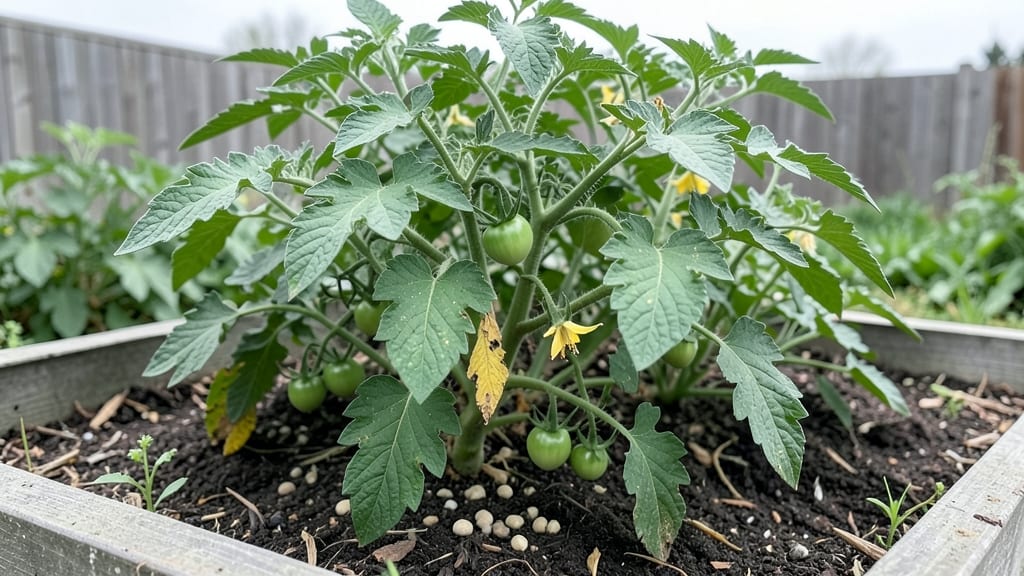
Fertilizing your garden depends on plant type and growth stage: apply early spring for cool-season crops, late spring for warm-season plants, and mid-season for flowering or fruiting stages. Use soil tests to adjust timing based on nutrient needs and avoid over-fertilizing.
Timing matters because plants absorb nutrients most efficiently during active growth phases.
For instance, leafy greens like spinach thrive with a spring feeding to kickstart their development, while tomatoes benefit from a mid-season boost to support heavy fruiting. 🌱 I always recommend splitting applications—think of it like feeding your garden in stages rather than one heavy dose, which can burn roots or leach into groundwater.
Don’t forget to match your approach to the plant’s natural rhythm: evergreens and perennials often need a late-summer refresh to prepare for winter, while annuals may only need one or two feedings per season.
A quick soil test (even a DIY kit) reveals what’s missing—like nitrogen for green growth or phosphorus for blooms—so you’re not guessing with your schedule.
💡 In This Article
- Optimal Fertilization Timing by Plant Type
- Signs Your Garden Needs Fertilizer
Optimal fertilization timing by plant type
Plants have distinct growth cycles that dictate when they need nutrients most. Cool-season vegetables like kale and broccoli start their active growth in early spring when soil temperatures reach 45-55°F, making this the perfect window for a balanced fertilizer (10-10-10 ratio) to support leafy development.
Warm-season crops such as peppers and cucumbers, however, only begin thriving once soil temperatures exceed 60°F, typically in late spring, when they need a phosphorus-heavy feed (5-10-10) to encourage root establishment before flowering. 🌿
The science behind this timing lies in how plants allocate energy. Early-season fertilization focuses on nitrogen for foliage, while mid-season applications shift to phosphorus and potassium to support flowering and fruiting.
For example, roses need a phosphorus boost 6-8 weeks before blooming to develop strong flower buds, while lawns benefit from a slow-release nitrogen fertilizer applied in early spring and late summer to sustain continuous green growth.
Trees, on the other hand, often require deep-root fertilization in late winter or early spring when they're breaking dormancy and preparing for new growth.
Seasonal adjustments are critical because over-fertilizing at the wrong time can cause more harm than good. For instance, applying high-nitrogen fertilizer to warm-season plants in early spring can actually stunt their growth until soil warms up.
Similarly, fertilizing flowering plants too late in the season may result in weak stems that can't support heavy blooms. 🌸 The key is matching your fertilizer schedule to the plant's natural growth rhythm—think of it like feeding a child at mealtimes rather than forcing them to eat all day.
Here’s a quick breakdown of ideal fertilization windows by plant category:
- Vegetables: Cool-season (early spring), warm-season (late spring), and mid-season for fruiting (e.g., tomatoes in June-July)
- Flowers: Early spring for root growth, mid-season for blooming (e.g., May-June for annuals), and late summer for perennials
- Lawns: Early spring (March-April) and late summer (August-September) to support root development and winter hardiness
- Trees/Shrubs: Late winter/early spring (February-March) and early fall (September-October) for nutrient storage
What most gardeners overlook is the importance of soil temperature in nutrient uptake. For instance, cool-season crops can absorb nutrients efficiently at 50°F soil temps, while warm-season plants need 65°F+ to activate their root systems.
A soil thermometer (around $15) can help you time applications perfectly—no more guessing games. 🌡️
Pro tip: Always water your plants 24 hours before and after fertilizing to help nutrients penetrate the soil and reduce burn risk. And if you're using organic fertilizers like compost or manure, apply them 6-8 weeks before planting to give microbes time to break them down into plant-available forms.
This patience pays off with healthier, more resilient plants.