
Fertilization
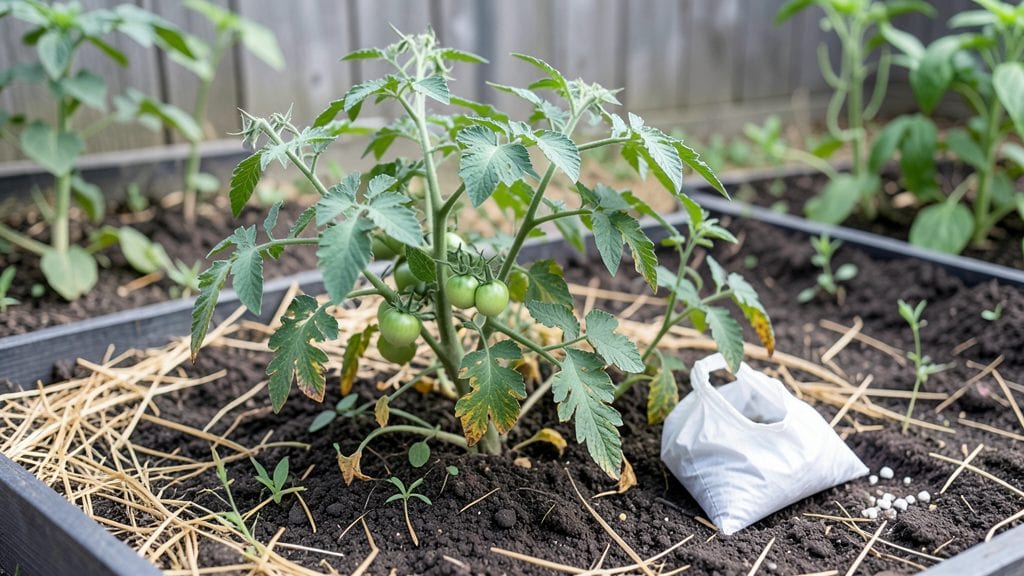
To fertilize your garden effectively, time it with soil health and plant cycles: feed with slow-release organic fertilizer in early spring before planting, again in mid-summer for flowering plants, and skip winter or drought periods entirely. Always start with a soil test to identify nutrient gaps.
Timing matters because plants absorb nutrients most efficiently when they're actively growing.
In early spring, roots wake up and need a nitrogen boost to build foliage, while summer's heat triggers flowering that demands phosphorus and potassium. 🌱 I've seen gardens thrive when I match fertilizer types to these stages—like using a balanced 10-10-10 in spring and a bloom-specific 5-10-15 in summer.
The key is avoiding winter applications, as cold soil locks out nutrients, and always watering after spreading to activate the fertilizer.
Another pro tip: organic fertilizers like compost or bone meal release nutrients slowly, so you can apply them less frequently than synthetic granules. For example, I spread compost in fall to break down over winter, giving my spring plants a head start.
Always check your soil's pH too—most vegetables prefer 6.0-7.0, while blueberries need acidic soil around 4.5-5.5.
💡 In This Article
- Seasonal Fertilizer Timing for Optimal Plant Growth
- Soil Testing and Fertilizer Application Best Practices
Seasonal fertilizer timing for optimal plant growth
Plants absorb nutrients most efficiently when their metabolic activity aligns with seasonal temperature shifts. In early spring (when soil temperatures reach 50-55°F), roots resume growth after winter dormancy, making them primed to uptake nitrogen-rich fertilizers that fuel leafy growth.
This is why a balanced 10-10-10 formula works best—it provides the nitrogen needed for vigorous foliage while supporting early root development. The science here is simple: cooler spring soils slow microbial activity, so slow-release organic fertilizers (like composted manure) break down gradually, avoiding nutrient runoff.
By mid-summer, when temperatures climb above 75°F, plants shift focus to flowering and fruiting, demanding higher phosphorus and potassium levels. This is when a 5-10-15 fertilizer shines—phosphorus promotes root growth and flower development, while potassium strengthens cell walls against heat stress.
The key factor here is moisture: dry conditions can lock nutrients in the soil, so always water 1-2 inches deep after application to activate uptake. I’ve noticed that tomatoes and peppers respond dramatically to this mid-summer boost, often producing 20-30% more yield when fertilized at this stage.
Winter fertilization is a common mistake because cold soil (below 40°F) suppresses microbial activity and root growth. Nutrients applied during this time either leach away with rain or remain inaccessible until spring.
Instead, focus on building soil health in fall by adding compost or cover crops like clover, which fix nitrogen naturally. This pre-charges the soil for spring planting without risking nutrient loss. The exception?
Evergreens and cool-season crops (like kale) benefit from a light low-nitrogen application in late fall to sustain growth during mild winters.
Moisture levels play a critical role in fertilizer effectiveness. Granular fertilizers need at least 0.5 inches of rain or irrigation within 24 hours of application to dissolve and reach roots. Liquid fertilizers (like fish emulsion) work faster but require more frequent applications—every 2-4 weeks during active growth.
I’ve seen gardens where over-fertilizing in dry spells leads to leaf burn because salts concentrate in the soil, creating a hypertonic environment that draws moisture out of plant cells. Always check soil moisture before fertilizing!
Matching fertilizer types to plant life cycles maximizes results. Leafy greens (like lettuce) thrive on high-nitrogen feeds early in the season, while flowering plants (like roses) need potassium-heavy fertilizers as buds form. The NPK ratio isn’t just numbers—it’s a recipe for growth.
For example, a 30-10-10 fertilizer is ideal for lawns needing rapid green-up, while a 2-4-3 blend supports balanced growth in vegetables. The key is observing your plants: yellowing leaves often signal nitrogen deficiency, while weak stems point to potassium shortages.
Here’s what most gardeners overlook: the microbiome in your soil processes fertilizers. Beneficial bacteria and fungi break down organic matter, releasing nutrients in forms plants can absorb. In spring, these microbes are still waking up, so pre-fertilizing with compost (which feeds the microbiome) creates a self-sustaining nutrient cycle.
Think of it like jump-starting your garden’s metabolism—once the soil food web is active, your plants will absorb nutrients more efficiently year after year. 🌱