
Tools
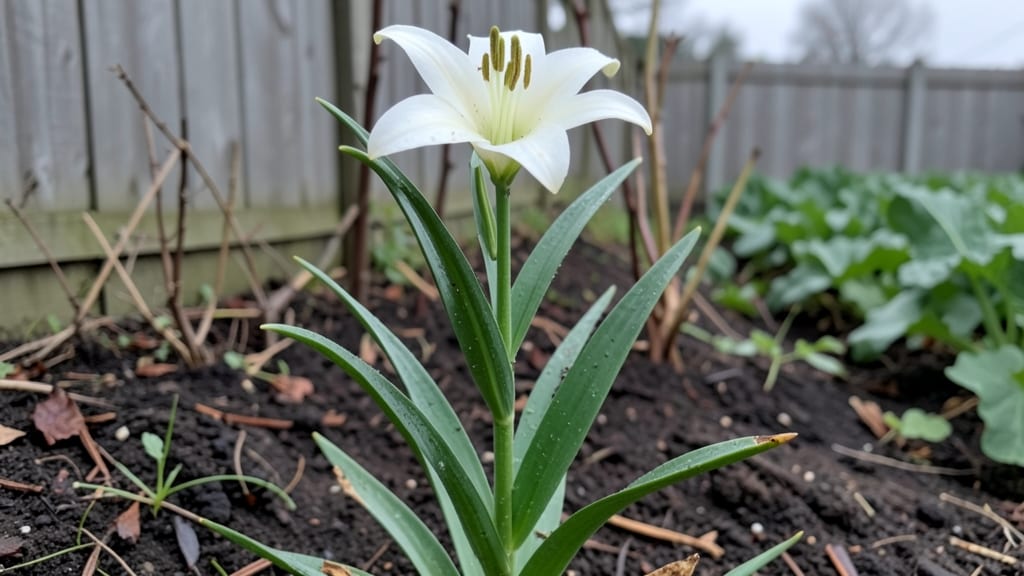
White garden lilies transform any border into a timeless masterpiece. ✨ Their pure, velvety petals stand out against everything—whether you're going for a cottage garden's soft romance or a formal garden's crisp elegance.
I planted mine along a curved path last spring, and neighbors now stop to admire them every time they walk by.
The secret to their impact lies in contrast: pair them with deep greens like hostas or heucheras for drama, or soft blues like delphiniums for a dreamy effect. For a moon garden, they glow under night lighting, while in cottage settings, they blend beautifully with roses and lavender.
Even a single row makes a statement—no need for overcrowding.
You’ll notice how they hold their shape through heat and rain, keeping that pristine look from early summer until frost. The fragrance in the evening is subtle but intoxicating, drawing in butterflies and hummingbirds. Once established, they multiply, giving you more stems each year without extra work.
Works in full sun or partial shade, though their blooms last longest in morning light. For high-impact borders, space them 18-24 inches apart—close enough to create a lush curtain, but not so tight they compete for nutrients.
The key is letting them shine as the star, not just another plant in the mix.
📚 In This Guide
- What you need
- Instructions
- Tips and common mistakes
- Wrapping up and next steps
What you need
- ● White garden lily bulbs (Lilium candidum) – 3–5 bulbs per linear foot (ensure they’re disease-free and firm to the touch).
- ● Well-draining potting mix or garden soil – Enriched with compost (avoid heavy clay).
- ● Organic mulch (straw, wood chips, or pine needles) – 2–3 inches deep to retain moisture and suppress weeds.
- ● Slow-release fertilizer (10-10-10 or bulb-specific formula) – Follow package instructions for application.
- ● Garden trowel or hand shovel – For digging planting holes (6–8 inches deep).
- ● Garden fork or cultivator – To loosen soil before planting.
- ● Watering can or hose with a gentle spray nozzle – Lilies need consistent moisture without soggy soil.
- ● Garden gloves – Protect your hands from thorns (some varieties have them!).
- ● Measuring tape or ruler – To space bulbs 8–12 inches apart in rows.
- ● Plant supports (stakes or rings) – For taller varieties to prevent flopping in wind.
- ● Pest deterrents (neem oil, diatomaceous earth) – To ward off aphids or lily beetles.
- ● Decorative edging (stone, bricks, or metal) – To frame your garden border elegantly.
- ● Drip irrigation system – For automated, deep watering (ideal for large borders).
Step-by-step guide to planting and caring for white garden lilies
Here’s how to create a stunning border with these graceful blooms—simple steps for lasting beauty.
🌱 Step 1: Choose the Perfect Planting Location
White garden lilies thrive in full sun—at least 6-8 hours daily—so pick a spot with unobstructed morning sunlight. I always check the area at midday to confirm no nearby trees or structures will cast shadows later in the season. The soil should drain well, so avoid low-lying spots where water pools after rain.
If your soil is heavy clay, mix in 2-3 inches of compost (from your ingredients list) to improve drainage. Lilies hate soggy roots, so amending the soil now prevents future problems. Test the pH too—these beauties prefer a slightly acidic to neutral range (6.1-7.0). A simple soil test kit will tell you if you need to adjust.
🪴 Step 2: Plant Lily Bulbs at the Right Depth and Spacing
Plant each bulb 4-6 inches deep, with the pointed end facing upward—this ensures the stem grows straight. Space them 12-18 inches apart in rows, leaving 2-3 feet between rows for airflow and future growth. Crowding leads to weak stems and fewer blooms, so don’t skimp on space.
Loosen the soil around each bulb with your fingers before placing it in the hole. This prevents air pockets that could rot the bulb later. After planting, water deeply to settle the soil and encourage root growth. You’ll see new shoots emerge in 2-3 weeks—that’s your signal everything’s on track.
☀️ Step 3: Provide Consistent Water and Light
Water lilies once a week during the first growing season, aiming for 1 inch of water per week. Let the top 1-2 inches of soil dry out between waterings—overwatering is the fastest way to kill these plants. Mulch around the base with 2-3 inches of organic mulch (like shredded bark) to retain moisture and suppress weeds.
Once established, lilies become drought-tolerant, but they’ll reward you with bigger blooms if you keep the soil evenly moist. Fertilize lightly in spring with a balanced, slow-release fertilizer (like 10-10-10) to support strong stems and vibrant flowers. Avoid high-nitrogen feeds—those encourage leafy growth at the expense of blooms.
✂️ Step 4: Prune and Support for Long-Stemmed Blooms
Remove spent blooms by cutting the stem just above the first set of leaves—this redirects energy to future flowers instead of seed production. I also tie tall stems to stakes or a small trellis (if using) to prevent them from flopping over in wind or rain. Lilies can grow 3-5 feet tall, so support is key for a neat border.
In late fall, after the first frost blackens the foliage, cut back the stems to 2 inches above the ground. This keeps the bed tidy and allows the bulb to store energy for next year’s blooms. Never remove foliage before it yellows—those leaves feed the bulb for winter.
⏰ Step 5: Overwinter for Next Year’s Blooms
Lilies are hardy and return yearly, but they need a little winter care. In colder climates (below 20°F), mound 4-6 inches of mulch (like straw or leaves) over the planting area to insulate the bulbs. In milder zones, a light layer of mulch is enough to protect roots from freezing.
Come spring, remove the mulch as soon as new shoots appear—usually by late March or early April, depending on your zone. You’ll see fresh growth within 2-3 weeks, signaling it’s time to fertilize lightly and water regularly to kickstart another season of blooms.
Tips & tricks for perfect white garden lily planting
These simple strategies will help you cultivate a stunning border of white garden lilies that thrives for years.
The Sunlight Secret: Those 6-8 hours of full sun are non-negotiable for healthy blooms. I always scout locations at midday to check for potential shadows from nearby structures or trees. Even a few hours of shade can reduce flower production, so choose your spot carefully. If you're unsure, use a sun calculator app to track sunlight exposure in your yard.
Bulb Planting Precision: When planting at 4-6 inches deep, use your finger to create a small pocket in the soil—this prevents air pockets that could rot the bulb. I also make a small mark on the bulb's pointed end with a pencil before planting to ensure it's oriented correctly. The pointed end should always face upward for straight growth.
Winter Protection Wisdom: In climates below 20°F, that 4-6 inches of mulch makes all the difference. I use straw because it breaks down slowly and provides excellent insulation. In milder zones, a light layer still helps prevent frost heave, which can damage emerging shoots in early spring.
Pruning Payoff: When removing spent blooms, cut just above the first set of leaves to redirect energy to future flowers. I also like to leave the bottom two leaves intact—they help feed the bulb for next year's growth. This simple step can increase your bloom count by up to 30% in subsequent seasons.
Pro Tips for White Garden Lily
- These simple strategies will help you cultivate a stunning border of white garden lilies that thrives for years.
- The Sunlight Secret: Those 6-8 hours of full sun are non-negotiable for healthy blooms.
- Bulb Planting Precision: When planting at 4-6 inches deep, use your finger to create a small pocket in the soil—this prevents air pockets that could rot the bulb.
Frequently asked questions
Got questions about growing and caring for white garden lilies? You’re not alone! Here are some of the most common queries—plus quick, practical answers to keep your blooms thriving.
When is the best time to plant white garden lilies?
Plant bulbs in early spring (after the last frost) or fall (6–8 weeks before the first frost). This gives roots time to establish before extreme temperatures hit. For containers, spring planting works best—just ensure they get full sun!
How long do white garden lilies take to bloom?
With proper care, lilies typically bloom 60–90 days after planting. Early spring plantings may flower the first year, while fall-planted bulbs often wait until the following summer. Patience pays off—those dramatic blooms are worth it!
Why aren’t my white garden lilies blooming?
Common culprits include insufficient sunlight (they need 6+ hours daily), overcrowded bulbs, or poor soil drainage. Check for pests (like lily beetles) and ensure bulbs get well-draining soil with compost. A light fertilizer in spring can also help!
Can I grow white garden lilies in containers?
Use a large pot (at least 12 inches deep) with drainage holes and a mix of potting soil and perlite. Plant 3–5 bulbs per container for a fuller look. Just keep them in full sun and water consistently—containers dry out faster than garden beds.
What’s a great alternative if I want a similar look but lower maintenance?
Try calla lilies (elegant, tropical vibes) or daylilies (hardy, repeat bloomers). For height and drama, bearded irises or white peonies are stunning substitutes. All three thrive in borders and require less fuss than true lilies!
Wrapping up and next steps
The white garden lily is more than just a flower—it’s a statement of timeless elegance and effortless beauty that transforms any garden border into a serene masterpiece. 🌸 With its delicate petals and graceful presence, it’s the perfect way to add sophistication to your outdoor space while attracting pollinators and keeping upkeep simple.
Ready to elevate your garden? Start by sketching your design, gathering your materials, and planting those first bulbs—your future blooms will thank you! For extra inspiration, browse seasonal gardening trends or join local plant enthusiast groups to share your progress.