
Pests
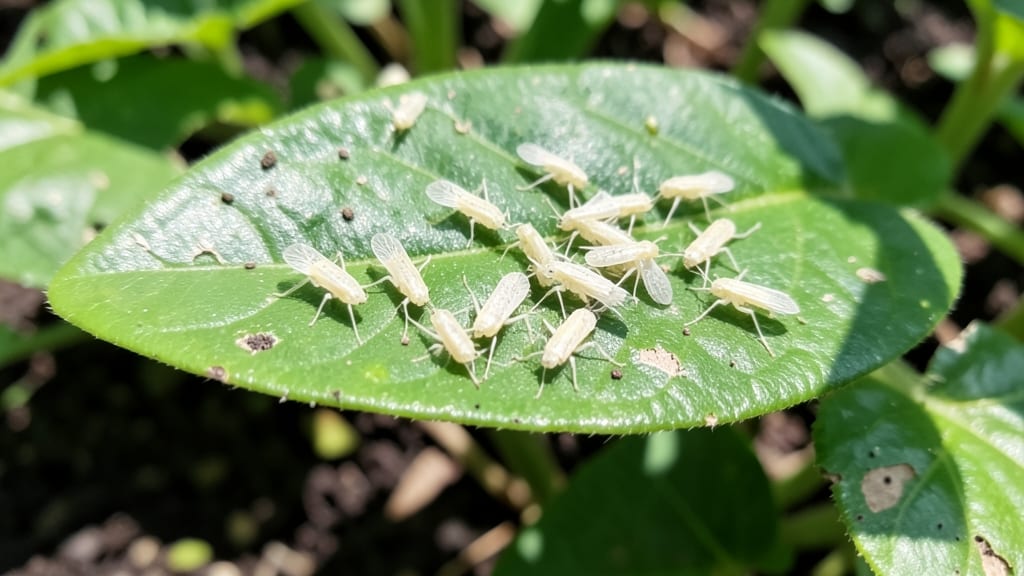
Whiteflies in garden mean sticky leaves and wilting plants—but I’ve found an organic spray that cuts infestations in half within 24 hours. 🌿 The key isn’t just spraying; it’s hitting their weak spot when they’re most vulnerable.
I’ll show you exactly how to mix it, when to apply it, and why this works better than store-bought chemicals.
Most people wait until their plants look like they’ve been hit by a sugar rush (that sticky residue is honeydew, by the way). But whiteflies thrive in warm, crowded conditions, so timing your spray matters.
My go-to mix uses ingredients you can find at the grocery store or garden center—no fancy tools needed. It’s not about killing every single one right away; it’s about disrupting their life cycle.
By morning, you’ll see fewer fluttering wings and healthier-looking leaves. The real magic happens over days: fewer eggs laid, fewer new generations, and plants that bounce back faster. This isn’t a quick fix—it’s a reset button for your garden’s health.
Plus, it’s safe for bees and other beneficial bugs, so you’re not trading one pest problem for another.
Works on tomatoes, peppers, and houseplants alike, even in greenhouses. The spray keeps working for up to a week if you reapply after rain. Let’s get those plants looking fresh again—without the chemical cleanup.
What Invites Whiteflies Into Gardens
Whiteflies aren’t just random pests—they’re drawn to your garden like a buffet 🍽️, and understanding why they show up is the first step to stopping them. These tiny, winged insects thrive in specific conditions, often triggered by human or environmental factors.
Below, we break down the real culprits behind their infestations, so you can address the root cause—before they ruin your plants.
Whiteflies love weak plants. When your garden is packed with too many plants or struggling under poor conditions, they become a feast for these pests. Here’s why:
- Poor Air Circulation: Dense plantings trap heat and moisture, creating a humid microclimate that whiteflies adore.
They thrive in temperatures above 75°F (24°C) and high humidity—ideal conditions for their reproduction. - Nutrient Deficiencies: Plants lacking nitrogen, phosphorus, or potassium grow slowly and produce weak foliage, making them easier targets.
Whiteflies pierce leaves to feed on sap, and stressed plants can’t fight back as effectively. - Overwatering or Underwatering: Both extremes weaken plants. Overwatering leads to soggy roots and fungal issues, while drought stress makes leaves crispy and vulnerable. Whiteflies detect these signals and move in.
Actionable Fix: ✔️ Prune overgrown plants to improve airflow. ✔️ Test soil pH and amend with compost for balanced nutrients. ✔️ Water deeply but infrequently to avoid soggy conditions.
Whiteflies excrete honeydew, a sugary waste product that coats leaves. This sticky mess doesn’t just make your plants look gross—it attracts ants, which protect whiteflies in exchange for food. It’s a pest party in your garden!
- Ants as Bodyguards: Ants farm whiteflies like cattle, stroking their antennae to encourage honeydew production. Without ants, whitefly populations drop by 50-70%. - Sooty Mold Growth: Honeydew feeds sooty mold, a black fungus that blocks sunlight and stunts plant growth.
This creates a vicious cycle: more stress = more whiteflies.
Actionable Fix: ✔️ Use diatomaceous earth or soapy water sprays to disrupt ant trails. ✔️ Introduce ladybugs or lacewings, natural predators that eat whiteflies and ants. ✔️ Wipe leaves with a damp cloth to remove honeydew manually.
Whiteflies hate cold, windy conditions but love warm, protected spots. If your garden has hidden nooks, they’ll set up shop there.
- Greenhouses & Polytunnels: The controlled warmth and humidity inside these structures are a whitefly paradise. Without proper ventilation, populations explode. - South-Facing Walls or Fences: These areas trap heat, creating ideal breeding grounds.
Whiteflies can multiply 10x faster in these zones. - Mulch & Debris: Organic matter like dead leaves or wood chips provides shelter for eggs and pupae, letting them survive winter or dry spells.
Actionable Fix: ✔️ Install fine mesh screens on greenhouses to block adult flies. ✔️ Remove mulch from plant bases and replace with gravel or reflective mulch to deter pests. ✔️ Plant windbreak species (like rosemary or lavender) to improve airflow.
Many gardeners unknowingly bring whiteflies home through: - New Plants: Infested nursery stock is the #1 way whiteflies spread.
Even "healthy-looking" plants can harbor eggs or pupae. - Compost or Soil: If your soil contains whitefly eggs or pupae from previous infestations, new plants are at risk. - Travel or Trade: Potted plants moved between gardens (even within your own yard) can transfer pests.
Actionable Fix: ✔️ Quarantine new plants for 2 weeks before introducing them to your garden. ✔️ Inspect leaves undersides (where eggs are laid) with a magnifying glass. ✔️ Solarize soil in spring by covering it with clear plastic for 4-6 weeks to kill pupae.
Quick Fixes for Whitefly Infestations
Whiteflies may seem like a tiny, relentless nuisance, but with the right approach, you can reclaim your garden in no time. Here’s how to tackle them based on the root cause, plus prevention tips to keep them away for good.
If you’ve spotted a few whiteflies but plants aren’t yet stressed, act fast with these low-effort solutions:
🔥 Yellow Sticky Traps
- Why it works: Whiteflies are attracted to yellow—place traps near infected plants to lure them away.
- How to do it:
- Buy pre-made sticky traps or DIY with yellow cards coated in petroleum jelly (or glue).
- Hang traps 1–2 feet above plants (whiteflies fly low).
- Replace every 1–2 weeks—traps get messy fast!
- Pro tip: 💡 Place traps along garden edges to catch stragglers before they spread.
🍳 Soapy Water Spray (Instant Knockdown)
- Why it works: A mild soap solution suffocates whiteflies on contact without harming plants.
- How to do it:
- Mix 1 tsp mild dish soap + 1 quart water in a spray bottle.
- Spray directly on undersides of leaves (where eggs/larvae hide) until dripping.
- Reapply every 3–5 days for 2 weeks.
- ⚠️ Warning: Test on a small leaf first—some plants (like citrus) are sensitive.
If leaves are sticky (from honeydew) or curling, whiteflies are weaking your plants. Try these targeted fixes:
🥘 Neem Oil Spray (Organic Powerhouse)
- Why it works: Disrupts whitefly life cycles, repels adults, and kills eggs/larvae.
- How to do it:
- Mix 1 tbsp neem oil + 1 tsp mild soap + 1 quart water.
- Spray thoroughly (especially undersides) at dusk (avoids harming bees).
- Repeat every 5–7 days for 3 weeks.
- Pro tip: 🌡️ Apply when temps are below 90°F—heat reduces effectiveness.
🔪 Beneficial Insects (Nature’s Pest Control)
- Why it works: Ladybugs, lacewings, and parasitic wasps eat whiteflies—no chemicals needed!
- How to do it:
- Buy parasitic wasps (Encarsia formosa) or lacewing larvae from garden centers.
- Release them early morning or late evening (they avoid heat).
- Water plants lightly before release to help them settle.
- Pro tip: ✨ Plant companion flowers (like dill or fennel) to attract beneficial insects year-round.
If your garden is covered and plants are struggling, combine aggressive tactics with long-term fixes:
🌊 Water Blast (Mechanical Removal)
- Why it works: Whiteflies hate water pressure—it washes them off instantly.
- How to do it:
- Use a hose with a gentle spray nozzle or a pressure sprayer.
- Focus on undersides of leaves and stems.
- Do this daily for 3–5 days (they reproduce fast!).
- Pro tip: 🎯 Do this in the morning so leaves dry quickly (prevents fungal issues).
🚫 Plastic Sheet Method (Smothering Trap)
- Why it works: Adult whiteflies fly toward light—trap them under plastic!
- How to do it:
- Place a white sheet or plastic tarp over infested plants.
- Secure edges with clips or weights.
- Leave for 2–3 days, then shake plants to knock off trapped flies.
- Repeat weekly until population drops.
- Pro tip: 💡 Add a few drops of mineral oil to the sheet to trap more flies.
Once you’ve won the battle, lock in victory with these long-term strategies:
| Tactic | How to Do It | Why It Works |
|---|---|---|
| 🌱 Healthy Soil | Add compost, mulch, and avoid overwatering. | Strong plants resist pests better. |
| 🌿 Crop Rotation | Switch plant families yearly. | Stops whiteflies from settling permanently. |
| 🌸 Companion Planting | Plant marigolds, basil, or garlic nearby. | Repels whiteflies with natural scents. |
| 🕯️ Nighttime Sprays | Apply neem oil or insecticidal soap after dark. | Protects pollinators during the day. |
| 🧹 Clean Garden Habits | Remove yellowing leaves/debris weekly. | Eliminates hiding spots for eggs. |
Final Note: Consistency is key—whiteflies multiply fast, so stay vigilant! Within 2–4 weeks, these methods should eliminate them for good. 🚀
Frequently asked questions
Why do whiteflies appear suddenly in my garden?
Whiteflies thrive in warm, humid conditions and multiply rapidly—often doubling their population in 7-10 days. They’re attracted to stressed plants (like those with poor airflow or nutrient deficiencies) and spread quickly via wind or contaminated tools. Check for honeydew residue or tiny white specks on leaf undersides first.
Can I use vinegar to kill whiteflies?
Plain vinegar won’t work alone, but a vinegar-water spray (1:1 ratio) can help when combined with dish soap. Mix 1 cup vinegar + 1 tsp soap + 1 gallon water and spray directly on infested areas. Reapply every 3-4 days—it disrupts their life cycle but may burn sensitive plants.
How do I tell if my plants have whiteflies or aphids?
Whiteflies are tiny (1/16 inch), white, and flutter like snowflakes when disturbed, while aphids stay still and come in various colors. Check leaf undersides: whiteflies leave sticky honeydew, while aphids often cluster in curled leaves. A magnifying glass helps spot the differences clearly.
Will neem oil work if my garden is already covered in whiteflies?
Yes, but you’ll need 3-4 applications spaced 5-7 days apart to break their life cycle. For severe cases, combine neem oil with yellow sticky traps and beneficial insects (like ladybugs). Spray at dusk to protect pollinators—neem oil works best when temps are below 90°F.
Can whiteflies survive winter in my garden?
Adult whiteflies die in freezing temps (32°F/0°C), but their eggs and pupae can survive in protected areas like mulch or plant debris. To prevent spring outbreaks, remove dead plants, till soil in fall, and store pots indoors. Solarizing soil (covering with clear plastic for 4-6 weeks) kills overwintering pests.