
Planting
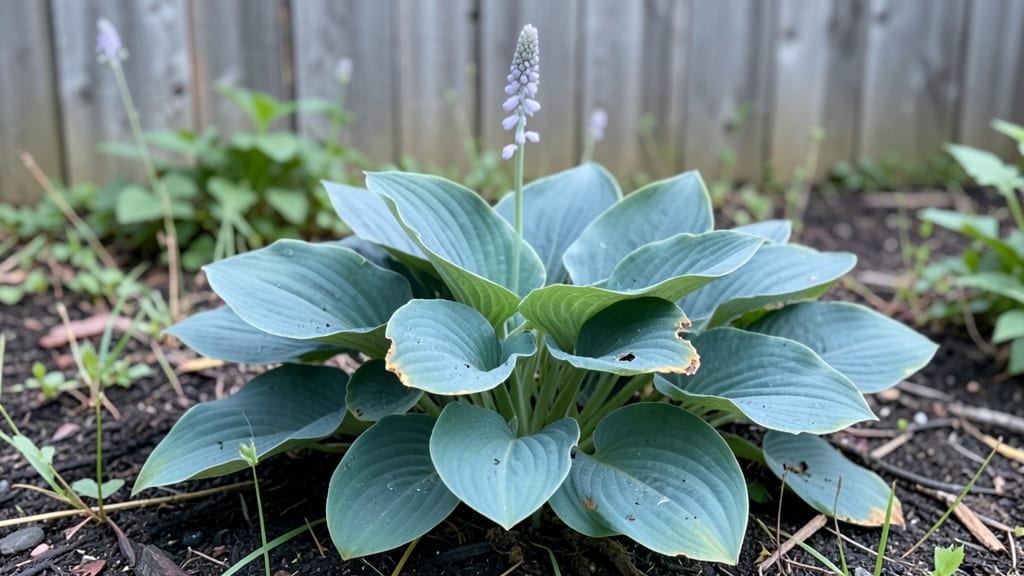
Zone three gardening thrives with cold-hardy perennials like coneflowers, lavender, and Russian sage, alongside early vegetables such as peas and spinach. Plant perennials in early spring (April–May) and cool-season veggies after the last frost (mid-May). Mulch heavily in fall to protect roots from winter’s harsh freeze-thaw cycles, which can exceed -40°F in some areas.
Zone three’s tough conditions actually create opportunities for resilient plants that thrive where others fail. The key is leveraging perennial workhorses like catmint and sedum, which bounce back year after year, while strategic cool-season crops like kale and radishes fill the early spring gap.
What really sets successful zone three gardens apart is the layered approach—combining mulching techniques (straw or leaves) with protective barriers to shield roots from those brutal -40°F swings. 🔥
Don’t overlook the power of microclimates either—south-facing walls or rock piles can add critical warmth for tender plants. I’ve seen Russian sage survive winters it shouldn’t just because it was planted near a sunny foundation.
The secret isn’t just hardiness—it’s smart placement and timing that turns zone three’s challenges into your garden’s strengths.
💡 In This Article
- Understanding USDA Zone 3 Climate Challenges
- Zone 3 Planting Calendar for Maximum Yield
Understanding USDA zone 3 climate challenges
Zone three's extreme climate isn't just about cold—it's about the brutal dance between temperature swings, soil limitations, and an abbreviated growing window. The region typically enjoys only 120-150 frost-free days, forcing gardeners to work with a compressed timeline where every week counts.
What makes this zone particularly challenging is the freeze-thaw cycle that can push temperatures from 90°F summers to -40°F winters within months, creating stress for plant roots that can't adapt quickly enough.
The soil itself presents another hurdle—many zone three areas have heavy clay or rocky subsoil that drains poorly in spring and becomes baked hard in summer. This creates waterlogged conditions early in the season while later struggling to retain moisture when temperatures rise.
The clay's high mineral content also means nutrients leach quickly, requiring regular amendments like compost or aged manure to maintain fertility. 💫 For example, in Minnesota's clay-heavy regions, gardeners often mix in sand and peat moss to improve drainage while adding organic matter to prevent compaction.
These climate factors directly shape plant selection. Perennials like coneflowers (Echinacea) and Russian sage (Perovskia) thrive because their deep root systems can penetrate the dense soil while their hardy nature withstands winter's extremes.
The key mechanism here is their ability to enter dormancy early—shutting down metabolic processes when temperatures drop below 20°F—then rebounding quickly in spring.
Vegetables must be chosen for their cold tolerance and quick maturation, such as peas that can germinate at 40°F or spinach that bolts at 80°F rather than the summer's 95°F.
Water management becomes an art form in zone three. The heavy clay holds moisture but also suffocates roots when saturated, while summer droughts can occur despite the region's reputation for cold.
Gardeners use mulching strategies like 6-8 inches of straw in fall to insulate roots and 2-3 inches of wood chips in summer to retain moisture.
Row covers and cold frames create microclimates that extend the growing season by 2-4 weeks on either end, while black plastic mulch warms soil 5-10°F faster in spring—critical for getting early starts on cool-season crops.
What most gardeners don't realize is how wind patterns amplify these challenges. Zone three's open landscapes mean plants experience wind chill factors that can make -10°F feel like -30°F, increasing desiccation risk.
This is why windbreaks—even simple corn stalks or evergreen shrubs—can mean the difference between survival and failure for tender perennials. The science here involves boundary layer protection, where physical barriers reduce air movement near plant surfaces, maintaining higher humidity and reducing moisture loss.
Consider these three critical adaptation strategies for zone three success:
- Root insulation: Deep mulching (4-6 inches) creates a 5-10°F warmer soil environment in winter while preventing summer heat stress
- Stratified planting: Layering plants by height (tall perennials behind short veggies) maximizes wind protection while optimizing sunlight exposure
- Succession timing: Planting cool crops in 3-week intervals ensures continuous harvests despite the short season
The most resilient zone three gardens I've seen combine these physical adaptations with biological ones—like planting companion crops that improve soil structure (clover for nitrogen) while their canopies moderate temperature extremes.
The result? A system that turns the region's challenges into its greatest asset: unpredictability becomes opportunity when you understand the science behind it. ✨