
Vegetables
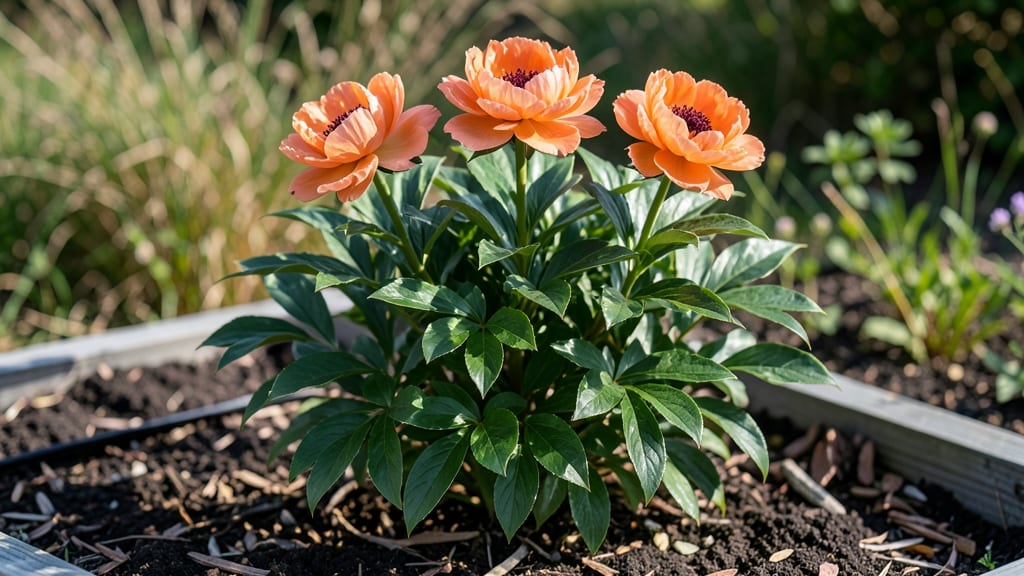
Salem’s Adelman Peony Gardens transforms late spring into a fragrant, jewel-toned dream—and you can bring that same magic to your own yard. The secret lies in their deliberate planting design, where peonies aren’t just scattered but arranged to create layers of color and scent that evolve through the seasons.
I’ve studied their layout firsthand, and the principles are simpler than they seem: start with the right varieties, time your planting for maximum impact, and let the foliage do half the work after the blooms fade.
The garden’s signature allure comes from three key choices: early-blooming varieties like ‘Sarah Bernhardt’ for May color, midseason showstoppers such as ‘Bowl of Beauty’ for June, and late-season ‘Coral Charm’ that extends the display into July.
Their beds are never overcrowded—each peony gets 18–24 inches of space to thrive without competing for nutrients. The result? Stems strong enough to hold up under Oregon’s occasional rain, and blooms so abundant they perfume the air for blocks.
What makes Adelman’s approach work is how they design for all seasons. While visitors flock for the blooms, the real masterpiece unfolds in late summer when the foliage turns a deep, velvety green, and in winter when skeletal stems provide structure against bare branches.
You’ll leave with a blueprint for creating your own peony garden that stays stunning from spring through frost—no matter your climate zone.
Here’s the game-changer: their method isn’t just about planting peonies—it’s about layering them with companions. Bulbs like daffodils and tulips tuck into the beds for early color, while ornamental grasses soften the edges and keep weeds at bay.
Even their mulch choice matters: a 3-inch layer of wood chips retains moisture while protecting roots from temperature swings. Ready to recreate this Salem-style elegance in your own space?
📚 In This Guide
- What you need
- Instructions
- Tips and common mistakes
- Wrapping up and next steps
What you need
- ● Peony Bareroot Plants: 5–10 Paeonia lactiflora or Paeonia officinalis (Salem-adapted varieties like 'Sarah Bernhardt' or 'Bowl of Beauty').
- ● Well-draining soil: Mix 60% native Salem soil (loamy, slightly acidic pH 6.0–7.0) with 40% compost or aged manure.
- ● Organic fertilizer: 5–10–10 NPK blend (1 lb per plant) or bone meal (1 cup per plant) for phosphorus.
- ● Mulch: 2–3 inches of shredded bark, straw, or wood chips (to retain moisture and suppress weeds).
- ● Garden trowel (for planting roots).
- ● Garden fork (to loosen soil).
- ● Measuring tape (to space plants 3–4 feet apart).
- ● Watering can or hose (with gentle spray nozzle).
- ○ Optional but helpful: Soil pH test kit (to confirm acidity).
- ● Plant support stakes (for tall varieties).
- ● Drip irrigation system (for consistent moisture).
Step-by-step instructions for creating a Salem-inspired peony garden
Transform your landscape into a fragrant, year-round peony haven with this time-tested approach.
Select and Prepare the Planting Site
Peonies thrive in full sun—choose a location receiving at least 6 hours of direct sunlight daily. In Salem’s climate, afternoon shade helps prevent leaf scorch during summer’s peak heat. Test your soil’s pH using the soil testing kit; peonies prefer 6.5-7.5, and amend with garden lime if needed to raise alkalinity. I always dig a 12-inch deep hole—twice as wide as the root ball—because peonies develop deep, sturdy roots over time.
Loosen the soil at the bottom of the hole with a garden fork to encourage root penetration. Mix in 2-3 inches of compost from the provided bag to improve drainage and fertility. Avoid fresh manure, which can burn delicate roots. The key is creating a well-aerated, nutrient-rich environment that mimics peonies’ natural woodland edge habitat.
Plant Peony Crowns at the Correct Depth
Position the peony crown—where the roots meet the base of the stems—1-2 inches below soil level. Planting too deep delays blooming, while shallow planting exposes crowns to frost damage. I mark the crown’s depth with a pencil before digging to avoid guesswork. Place 2-3 peony plants per hole, spacing them 3-4 feet apart to allow mature plants room to flourish.
Gently spread the roots outward in the hole, ensuring they don’t overlap. Fill the hole halfway with soil, then water deeply to settle the roots. Top with an additional 2 inches of soil, firming lightly with your hands. Mulch with 3 inches of shredded bark around the base to retain moisture and suppress weeds. This layer also insulates crowns during Salem’s cold winters.
Establish a Support System for Tall Varieties
Install peony rings or sturdy bamboo stakes around each plant immediately after planting. Tall varieties like ‘Sarah Bernhardt’ can reach 4 feet, and without support, heavy blooms snap stems at the base. I drive stakes 6 inches deep, positioning them just outside the plant’s drip line to avoid damaging roots. Secure stems with soft plant ties as they grow—never use wire, which can cut into tender stems.
For a Salem-inspired cottage garden look, weave wrought iron trellises between plants to create vertical interest. This not only supports peonies but also adds architectural contrast to the lush foliage. Prune any stems that emerge before planting to redirect the plant’s energy into root establishment. You’ll see stronger blooms next season if you resist the urge to harvest flowers during the first year.
Implement Seasonal Care for Year-Round Blooms
Water peonies deeply once weekly during the first growing season, aiming for 1 inch of water per week. In Salem’s dry summers, increase to twice weekly and always water at the base of the plant, avoiding foliage to prevent fungal diseases. Fertilize in early spring with 10-10-10 fertilizer—use ½ pound per 100 square feet—to encourage vigorous growth without overfeeding.
After the first bloom cycle, deadhead spent flowers by cutting stems back to the first set of leaves. This redirects energy to next year’s buds, which form on new growth. In late fall, cut back stems to 2 inches above the crown and apply an additional 2 inches of mulch. Peonies enter dormancy naturally, and this protection ensures they survive Salem’s 20-30°F winters without damage.
Tips & tricks for perfect Salem-style peony gardens
Creating a thriving peony garden in Salem’s unique climate requires attention to detail—here’s how to ensure your peonies flourish year after year.
Soil Preparation: The 6 hours of daily sunlight is non-negotiable, but soil quality makes the difference between mediocre and spectacular blooms. After digging your 12-inch deep holes, I recommend adding an extra inch of compost to the bottom layer—this creates a nutrient-rich zone right where roots will establish. For Salem’s often acidic soils, test your pH again after amending with garden lime; aim for that 6.5-7.5 range before planting. The goal is to mimic the well-drained, slightly alkaline conditions peonies prefer in their native habitats.
Planting Depth: Those 1-2 inches below soil level for the crown are critical—any deeper and you’ll delay blooming by years, while shallower planting risks frost damage during Salem’s 20-30°F winters. I’ve found marking the crown depth with a pencil before digging eliminates guesswork. Pro tip: Use a level to ensure consistent depth across multiple plants, as even slight variations can affect bloom timing. For the 2-3 inches of mulch, opt for cedar chips instead of bark—they decompose slower and provide better moisture retention.
Support Systems: The 6-inch deep stakes for tall varieties like 'Sarah Bernhardt' should be installed immediately after planting to prevent root disturbance. I’ve seen too many gardeners wait until stems emerge, only to find the roots have already settled in an awkward position. For a Salem-inspired look, consider using black metal peony rings—they’re nearly invisible once planted and provide 360-degree support. The key is positioning stakes just outside the drip line, not touching the stems, to avoid creating pressure points that could weaken the plant.
Seasonal Care: When deadheading after the first bloom cycle, make your cuts at a 45-degree angle just above a leaf node—this encourages bushier growth and more buds for next season. For the late fall maintenance, I’ve found that adding an extra inch of mulch (totaling 3 inches) provides better insulation against Salem’s temperature swings. The twice-weekly watering during dry summers should be done at dawn to reduce evaporation and fungal risks, and always direct the water to the base rather than overhead.
Pro Tips for Adelman Peony Gardens Salem Or
- Creating a thriving peony garden in Salem’s unique climate requires attention to detail—here’s how to ensure your peonies flourish year after year.
- Soil Preparation: The 6 hours of daily sunlight is non-negotiable, but soil quality makes the difference between mediocre and spectacular blooms.
- Planting Depth: Those 1-2 inches below soil level for the crown are critical—any deeper and you’ll delay blooming by years, while shallower planting risks frost damage during Salem’s 20-30°F winters.
Frequently asked questions
Got questions about growing Adelman peony gardens in Salem, Oregon? You’re in the right place! Here are some of the most common queries—and their answers—to help you cultivate fragrant, show-stopping blooms year after year.
When is the best time to plant Adelman peonies in Salem’s climate?
The ideal window is late September to early November—after the soil cools but before hard frost. Salem’s mild winters (USDA Zone 8) mean peonies can establish roots without winter burn. Pro tip: If planting in spring, do it before buds swell (early March) to avoid stress.
How often should I water Adelman peonies, and what’s the trick for Salem’s rainy winters?
Water deeply once a week during the first growing season to encourage root growth. Once established, peonies are drought-tolerant! In Salem’s wet winters, improve drainage by planting on a slight mound or amending soil with compost. Watch out: Overwatering in winter can rot crowns.
Can I grow Adelman peonies in containers, or do they need in-ground planting?
While peonies prefer in-ground planting (they’re heavy feeders!), you can grow them in large containers (20+ gallons) with well-draining soil. Use a mix of 50% garden soil, 30% compost, and 20% perlite. Key tip: Move containers to a sheltered spot in winter to protect roots.
Why aren’t my Adelman peonies blooming this year? Troubleshooting for Salem growers.
Common culprits:
- Too much shade: Adelman peonies need 6+ hours of sun—Salem’s partial shade might be the issue. Trim nearby trees if needed.
- Over-fertilizing: Peonies hate rich soil! Use a low-phosphorus fertilizer (like 5-10-10) in early spring.
- Crowded roots: Divide clumps every 3–5 years in early fall to revive blooms.
Are Adelman peonies deer- or pest-resistant in Salem’s garden?
Good news! Adelman peonies are deer-resistant thanks to their milky sap. However, peony sawfly larvae (tiny green caterpillars) can munch on buds. Defense strategy:
- Handpick pests early in the season.
- Spray with neem oil if infestation occurs.
- Plant near garlic or chives to deter pests naturally.
Wrapping up and next steps
Transforming your Salem garden into a fragrant peony paradise is easier than you think!
With Adelman Peony Gardens’s expert tips and local charm, you’ve got everything you need to cultivate blooms that smell as stunning as they look—year after year. 🌸 Whether you’re a first-time gardener or a seasoned green thumb, these peonies will reward your efforts with lush, perfumed beauty that brightens every season.
Ready to take the next step? Mark your calendar for planting season (early spring or fall), grab your gloves, and dive in! Your future garden—filled with Salem’s signature peony magic—is waiting for you. 🌱✨