
Fertilization
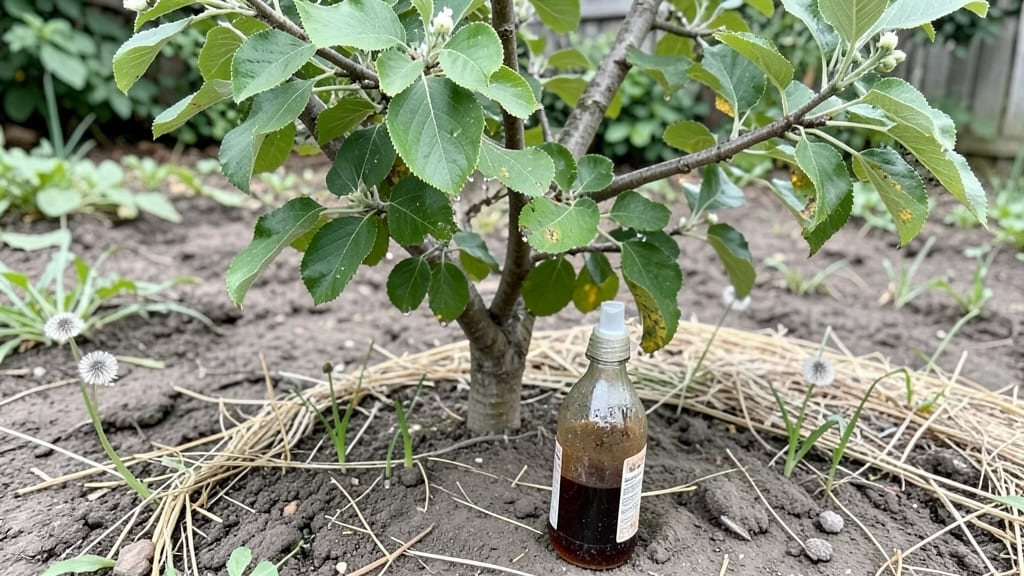
Apple cider vinegar in gardening acts as a natural fungicide, weed killer, and pest repellent when diluted properly, improving soil acidity for acid-loving plants like blueberries and azaleas while preventing mold and mildew.
Apple cider vinegar isn't just for salad dressings—its acetic acid content makes it a powerhouse in the garden. 🌱 When mixed with water (typically 1 part vinegar to 3 parts water), it creates a gentle yet effective solution to combat fungal growth, deter unwanted weeds, and fend off pests like aphids.
The key lies in its ability to lower soil pH gradually, which is especially beneficial for plants that thrive in acidic conditions, such as rhododendrons and hydrangeas.
What makes this so versatile is how you can tailor its use. For instance, a stronger dilution (1:1 ratio) works well as a pre-emergent weed killer, while a lighter spray (1:5 ratio) is perfect for treating fungal issues on leaves.
Just remember—consistency is key. Overapplying can harm beneficial soil microbes, so always spot-test in small areas first and monitor your plants' response.
💡 In This Article
- How Apple Cider Vinegar Affects Soil pH and Plant Health
- DIY Apple Cider Vinegar Sprays for Garden Pests
How apple cider vinegar affects soil pH and plant health
The acetic acid in apple cider vinegar (typically 5-6%) acts as a weak acid that temporarily lowers soil pH when applied. Here's what's actually happening: the acetic acid dissociates in water, releasing hydrogen ions (H+) that combine with soil minerals, displacing calcium and magnesium ions.
This chemical exchange creates a more acidic environment—similar to how lemon juice lowers the pH of water when mixed. For most garden soils (which are often neutral to slightly alkaline), this can be a game-changer for plants that prefer acidic conditions.
A single application of diluted vinegar (1 part vinegar to 3 parts water) can lower soil pH by 0.5 to 1.5 units in the top 2-3 inches, where most plant roots absorb nutrients. The effect is most noticeable in sandy soils (which have fewer buffering minerals) compared to clay soils.
For example, blueberry bushes thrive at pH 4.5-5.5, while azaleas prefer 5.0-6.0. A 2% vinegar solution (about 1 part vinegar to 25 parts water) applied monthly can help maintain these ideal ranges without drastic fluctuations that could stress plants. 💫
What most people don't realize is that vinegar's impact on soil pH is temporary—usually lasting 2-4 weeks before natural soil buffering systems restore balance. This makes it ideal for periodic adjustments rather than permanent soil modification.
To test your soil's pH before and after treatment, use a simple digital pH meter ($15-$25) or litmus paper strips ($5-$10). For precise measurements, collect soil samples from 3-4 inches deep and follow the manufacturer's instructions for accurate readings.
However, overuse can backfire. While acetic acid kills fungal pathogens and weeds, it also disrupts beneficial microbes like mycorrhizal fungi (which help plants absorb nutrients) and nitrogen-fixing bacteria. A 1:1 vinegar-to-water ratio applied directly to soil can create a hostile environment where these microbes struggle to survive.
The sweet spot is 1:3 to 1:5 dilution, applied no more than once every 4-6 weeks, especially in organic gardens where microbial health is critical.
Consider these key factors when adjusting soil pH with vinegar:
- Plant type: Acid-loving plants (blueberries, azaleas, hydrangeas) benefit most, while vegetables like tomatoes prefer slightly acidic to neutral (6.0-7.0)
- Soil type: Sandy soils respond faster to pH changes than clay soils
- Application method: Foliar sprays (for fungal control) use 1:5 dilution, while soil applications use 1:3 dilution max
- Frequency: Monthly maintenance vs. seasonal adjustment (spring/fall)
The science behind this involves understanding your soil's buffering capacity—how resistant it is to pH changes. Peat moss or pine needles can help maintain acidity between vinegar applications, while compost adds organic matter that naturally improves soil structure and microbial diversity.
For container gardens, a 1 tablespoon of vinegar per gallon of water mixed into the soil can create an ideal acidic environment for plants like gardenias or camellias. 🌿
For gardeners who want to go beyond vinegar, elemental sulfur is a more permanent solution for lowering pH, while aluminum sulfate provides faster but shorter-term results. The key is monitoring your plants' health—yellowing leaves on blueberries might indicate pH is too low, while stunted growth could signal it's too high.
Always start with small, controlled applications and observe how your specific plants respond.