
Pests
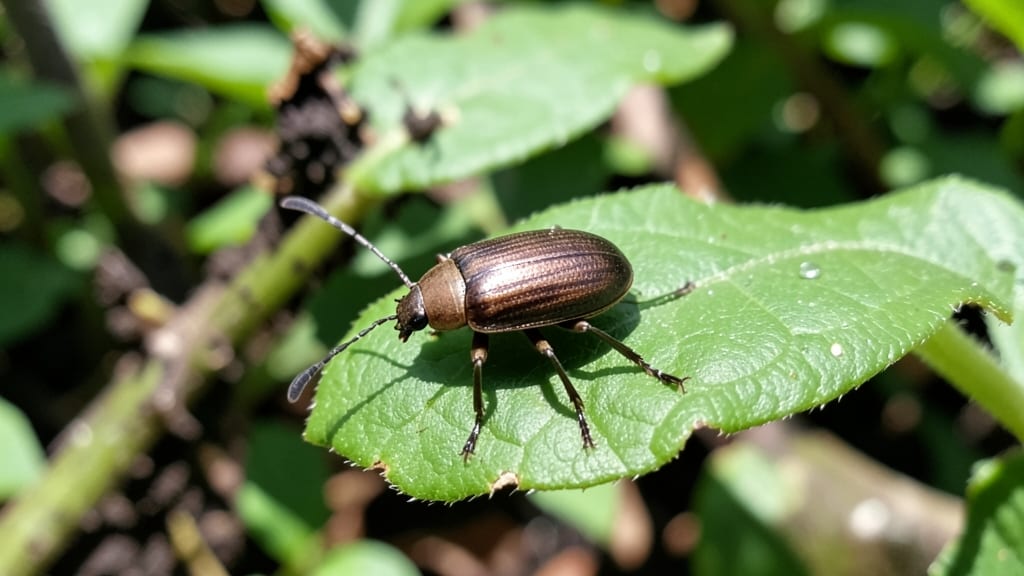
Finding Asiatic garden beetles in your house means you're dealing with one of the fastest-spreading pests in gardens. 🌱 I've battled these shiny, coppery invaders after they marched indoors from my vegetable beds, and I learned the hard way that waiting turns a small problem into a full-blown cleanup project.
The beetles sneak in through open doors, windows, or even on potted plants you bring inside. They don't eat wood or fabrics, but they'll chew through young seedlings and fruit—especially tomatoes and peppers—leaving behind ragged holes. The key to fast elimination is acting within 48 hours before they multiply.
You'll trap them effectively with simple beer-soaked cardboard traps or diatomaceous earth around entry points. For prevention, focus on sealing cracks, removing adult beetles from plants before they fly, and keeping mulch away from your home's foundation. The results? A pest-free house within days and a garden that stays intact.
Works for both suburban homes and urban apartments—just adjust the entry points you monitor. Let's get those beetles out before they become a weekly nuisance.
How beetles invade homes
The presence of asiatic garden beetles inside your home isn’t just a random occurrence—it’s usually the result of specific environmental and behavioral triggers. Understanding these causes is the first step to preventing future infestations. Let’s break down why these pests decide to crash your indoor party.
Beetles, including the asiatic garden beetle (Maladera matrida), are naturally drawn to artificial lights at night. Streetlights, porch lights, and even indoor lamps emit wavelengths that mimic moonlight, confusing beetles and luring them toward your home.
Once they’re near, they may accidentally wander inside through open doors, windows, or gaps in screens.
Why it matters: Light pollution disrupts their nocturnal navigation, making them more likely to stumble into human spaces. Pro tip: 💡 Switch to yellow or red LED bulbs (2,200K or lower color temperature), which are less attractive to beetles than bright white or blue lights.
Asiatic garden beetles are most active during late summer and early fall, when they’re searching for food, mates, or shelter before winter. Warm, humid nights combined with cooler daytime temperatures create the perfect storm for their migration.
If your home provides a dry, protected refuge—especially in basements, crawl spaces, or garages—they’ll happily move in.
Key factors:
- Temperature: Beetles seek warmth (ideal indoor temps: 70–80°F).
- Moisture: They avoid dry conditions but may linger if humidity is moderate.
- Timing: Peak activity aligns with harvest season (August–October), when they’re drawn to decaying vegetation near foundations.
Pro tip: 🌡️ Seal cracks in siding, vents, and door sweeps before late summer to block their entry points.
These beetles aren’t picky eaters—they thrive on rotting plants, mulch, compost, and even pet waste in your yard. If your home’s exterior has:
- Piles of leaves or grass clippings near the foundation.
- Wooden decks, fences, or mulch beds that are damp and decomposing.
- Unsecured trash cans with food scraps.
…you’ve essentially created a buffet that attracts them. Once they’re feasting outside, they may wander indoors in search of more food—or simply by accident.
Actionable fix: 🔪 Remove organic debris from your yard’s perimeter, and store firewood at least 20 feet away from your home.
Adult asiatic garden beetles are poor fliers but excellent hitchhikers. They can sneak inside via:
- Open doors/windows: Even a 1/8-inch gap is enough for them to crawl through.
- Vents and chimneys: Unscreened openings are a free highway.
- Firewood or potted plants: Beetles hide in crevices and travel indoors this way.
- Pet doors or pet carriers: Pets can unknowingly transport them inside.
Pro tip: 🛡️ Install fine mesh screens (16-mesh or smaller) on all vents, doors, and windows to block entry.
Heavy rains, storms, or droughts can force beetles to seek shelter indoors. Unlike some pests, asiatic garden beetles don’t burrow—they hide in cracks, under siding, or inside wall voids until conditions improve. If your home’s exterior has:
- Peeling paint or damaged caulk.
- Loose bricks or gaps in the foundation.
- Unsealed utility lines (pipes, cables).
…they’ll exploit these weaknesses to take refuge. Once inside, they may stay for weeks, especially if food sources (like pet food or crumbs) are available.
Prevention tip: ✨ Conduct a spring and fall home inspection to seal all exterior gaps with silicon caulk or expanding foam.
Eliminate and Prevent Beetle Infestations
Now that you understand why these unwelcome guests end up in your home, let’s tackle the problem head-on. The key to success is a two-pronged approach: immediate removal of existing beetles and long-term prevention to keep them from returning.
Below are practical, step-by-step solutions tailored to the most common causes of Asiatic garden beetle invasions.
1. 🕵️♂️ Locate and Remove Them Manually
Before deploying traps or sprays, physically remove as many beetles as possible. These pests are slow-moving, making them easier to spot and eliminate.
- 🔍 Search high-traffic areas: Focus on windowsills, door frames, basements, garages, and near outdoor lights where they’re most likely to congregate. - 🧽 Use a vacuum or dustpan: For beetles on floors or countertops, a handheld vacuum or damp cloth works best.
Avoid squashing them—it can spread pheromones that attract more beetles. - 🚪 Seal them in a bag: If you find a cluster, place them in a sealed plastic bag and dispose of it outside, far from your home.
> 💡 Pro Tip: Check under appliances (like refrigerators or washing machines) and behind furniture. Beetles often hide in dark, moist crevices.
2. 🪰 Set Up Traps for Fast Elimination
Traps are the most effective and non-toxic way to catch Asiatic garden beetles. Here’s how to use them properly:
- 🍎 Apple Cider Vinegar Trap (DIY):
- Fill a shallow dish with apple cider vinegar and a few drops of dish soap.
- Place it near entry points (windows, doors, or basements).
- The beetles are drawn to the scent and get trapped in the soapy liquid.
- ⏰ Replace every 2-3 days for maximum effectiveness.
- 🌟 Commercial Pheromone Traps:
- Buy Asiatic garden beetle-specific traps (available at garden centers or online).
- Hang them outdoors near your home’s perimeter—these traps disrupt mating cycles and reduce future infestations.
- ⚠️ Warning: Avoid glue traps indoors—they can spread beetle remains, worsening the problem.
- 💡 Light Trap Hack:
- Place a white sheet or paper under an outdoor light fixture.
- Beetles are attracted to light and will land on the sheet, making them easy to collect and dispose of.
3. 🧴 Use Natural Repellents (Indoors & Outdoors)
If you prefer chemical-free solutions, these repellents can help deter beetles:
| Repellent | How to Use | Effectiveness |
|---|---|---|
| Diatomaceous Earth (DE) | Sprinkle a thin layer along baseboards, windowsills, and entry points. Avoid breathing it in. | ⭐⭐⭐⭐ (Kills on contact) |
| Essential Oils | Mix peppermint, eucalyptus, or citrus oil with water in a spray bottle. Lightly mist door frames, windows, and outdoor perimeters. | ⭐⭐⭐ (Deters but doesn’t kill) |
| Cucumber or Citrus Peels | Place dried peels near entry points—beetles dislike the scent. | ⭐⭐ (Mild deterrent) |
> ✨ Bonus Tip: Crushed garlic or chili powder around doors and windows can also repel beetles naturally.
1. 🌿 Eliminate Outdoor Attractants
Beetles won’t invade if your yard isn’t inviting. Take these steps:
- 🌱 Remove Mulch and Debris: Beetles love hiding in thick mulch, leaf litter, and wood piles.
Keep your yard tidy and dry. - 💧 Reduce Moisture: Fix leaky pipes, gutters, and downspouts—beetles seek damp areas. - 🌿 Trim Vegetation: Cut back overgrown bushes and tall grass near your home’s foundation. - 🍎 Store Firewood Properly: Keep firewood at least 20 feet away from your house and elevated off the ground.
2. 🚪 Seal Entry Points
Prevent beetles from sneaking in by blocking their access:
- 🔧 Install Door Sweeps: Check if your exterior doors have gaps—install a sweep or weatherstripping.
- 🪟 Seal Windows: Use fine mesh screens on all windows and caulk cracks in window frames.
- 🧱 Check Foundation Gaps: Fill holes in siding, vents, or utility lines with steel wool and caulk.
- 🚪 Use Door Draft Stoppers: Place silicone or foam draft stoppers under doors to block tiny openings.
3. 🕯️ Adjust Outdoor Lighting
Beetles are drawn to light, so modify your outdoor lights:
- 💡 Switch to Yellow or Red Bulbs: These attract fewer beetles than bright white or UV lights.
- 🕯️ Use Motion-Activated Lights: These limit beetle exposure to light sources.
- 🌙 Reduce Nighttime Lighting: Turn off unnecessary outdoor lights after dark.
4. 📅 Schedule Regular Inspections
Prevention is an ongoing process. Make it a habit to:
- 🔍 Check for beetles every 2 weeks (especially in spring and fall, their peak seasons).
- 🌿 Inspect your yard after rain—beetles become more active when moisture rises.
- 🛒 Reapply repellents seasonally (e.g., diatomaceous earth after cleaning).
If you’ve tried all these methods and still see beetles, it’s time to call an exterminator. Signs you need help:
- Large clusters (50+ beetles) in one area.
- Beetles appearing indoors despite sealing entry points.
- Eggs or larvae found in your home or garden.
A pest control expert can identify the exact infestation level and apply targeted treatments (like insect growth regulators or perimeter sprays).
By combining immediate removal, smart trapping, and proactive prevention, you can say goodbye to Asiatic garden beetles for good—without resorting to harsh chemicals. Stay vigilant, and your home will stay pest-free! 🚫🪲
Frequently asked questions
Are asiatic garden beetles harmful to humans or pets?
These beetles are generally harmless to humans and pets. They don’t bite or carry diseases, but their presence can be annoying. While they won’t harm your furry friends, they may contaminate pet food if left unattended. Always dispose of them properly to avoid spreading pheromones that attract more beetles.
How do I know if I have an infestation or just a few stragglers?
Look for signs like beetle droppings (tiny black pellets), chewed plant leaves indoors, or clusters near lights. If you see more than 10-15 beetles in one area or find them in multiple rooms, you likely have an infestation. Act quickly—adults can lay hundreds of eggs in soil, leading to rapid population growth.
Will vinegar traps work indoors, or should I use them outside only?
Vinegar traps work best indoors for immediate removal, but place them strategically near entry points like windows and doors. For outdoor use, combine them with commercial pheromone traps to disrupt mating cycles. Replace indoor traps every 2-3 days to maintain effectiveness—beetles reproduce quickly in warm environments.
Can I use diatomaceous earth indoors safely?
Yes, but use it carefully. Sprinkle a thin layer along baseboards and windowsills, avoiding areas where pets or children play. The powder is non-toxic but can irritate lungs if inhaled—wear a mask when applying. Reapply after cleaning, as it loses effectiveness when wet. Keep it out of reach of curious pets until it settles.
How long does it take to eliminate an infestation completely?
With consistent trapping and prevention, you can see significant reduction in 3-5 days. Complete elimination may take 2-4 weeks, depending on the infestation size. Monitor for new beetles and maintain outdoor prevention measures—even after they’re gone, new ones may arrive from your yard. Regular inspections are key.