
Size
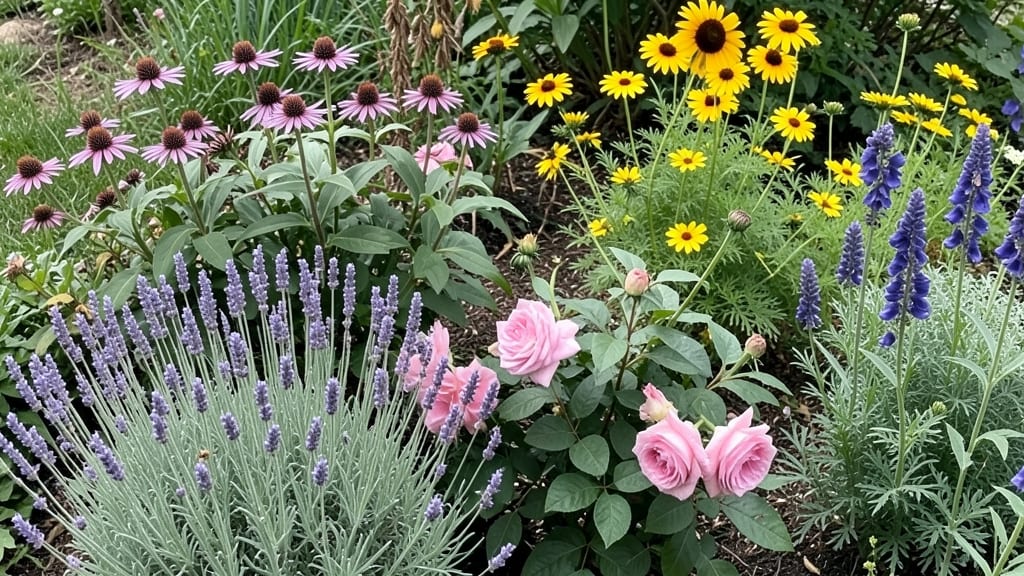
The best flowers to grow in a garden aren’t just pretty—they’re the ones that reward you with color all season, thrive with minimal fuss, and make your space feel like a curated masterpiece.
I’ve spent years testing annuals and perennials, and these stand out for their reliability, bold blooms, and ability to mix effortlessly into any design. The secret isn’t complicated: it’s about choosing plants that love your climate and complement each other naturally.
Think coneflowers for summer-long purple bursts, black-eyed Susans that bring golden cheer when others fade, and salvias for velvety spikes of blue or red that hummingbirds adore. These aren’t just flowers—they’re the backbone of a garden that looks polished without constant work.
Pair them with snapdragons for vertical drama or marigolds to repel pests while adding warm pops of yellow and orange. The best part? Most bloom from early spring to frost, so you’ll never have a dull moment.
Your garden will feel like a living painting—deep jewel tones of coneflowers against the soft green of ornamental grasses, or the airy romance of peonies spilling over borders.
The key is layering heights and textures: tall bee balm in the back, mid-height coreopsis in the middle, and trailing pansies or violas at the front. It’s foolproof once you know which flowers play well together, and I’ll show you exactly how to arrange them for maximum impact.
Whether you’re filling containers on a balcony or designing a full border, these flowers adapt effortlessly. They handle drought once established, attract pollinators, and even improve soil health over time. Let’s turn your garden into a year-round showstopper—with less work than you’d expect.
📚 In This Guide
- What you need
- Instructions
- Tips and common mistakes
- Wrapping up and next steps
What you need
- ● Seeds or seedlings: Choose from easy-to-grow flowers like marigolds, sunflowers, zinnias, petunias, or cosmos (10–20 plants per variety, depending on garden size). Opt for disease-resistant varieties for hassle-free growth.
- ● High-quality potting soil or garden soil: 1–2 cubic yards (or enough to fill raised beds/containers). Mix in compost (10–20%) for nutrients.
- ● Containers or garden beds: For containers: 5–10 gallon pots (with drainage holes) per plant.
- ● For in-ground planting: Well-draining soil with a pH of 6.0–7.0 (test kits available at garden centers).
- ● Watering supplies: A hose with adjustable nozzle or watering can (1–2 gallons capacity).
- ○ Drip irrigation kit (optional but recommended) for consistent moisture.
- ● Fertilizer: Slow-release granular fertilizer (10-10-10 or 20-20-20) or organic options like fish emulsion or compost tea.
- ● Mulch: 2–3 inches of organic mulch (straw, shredded bark, or pine needles) to retain moisture and suppress weeds.
- ● Garden gloves (nitrile-coated for durability).
- ● Pruners or shears (bypass pruners for clean cuts).
- ● Stakes or tomato cages (for tall flowers like sunflowers or delphiniums).
- ● Plant labels (to track varieties and watering needs).
- ● Soil moisture meter (to avoid over/under-watering).
- ● Pest control: Neem oil spray or row covers (for organic pest prevention).
Instructions for cultivating a year-round flower garden with minimal maintenance
Here’s how to select and arrange flowers for continuous blooms—no matter the season—using my go-to approach.
Choose Seasonal Flowers for Continuous Color
Start with a mix of spring bulbs like tulips and daffodils, summer annuals such as zinnias and marigolds, and fall/winter perennials like chrysanthemums and pansies. I always plant spring bulbs in late fall so they bloom early, then fill gaps with heat-tolerant annuals as temperatures rise. For year-round interest, add evergreen shrubs like boxwood or dwarf holly for structure.
Group flowers by bloom time to ensure no bare patches. For example, plant tulips and hyacinths in early spring, impatiens and petunias for summer shade, and mums and hellebores for late-season color. This layered approach guarantees at least one flower blooming at all times, even in winter.
Prepare the Soil for Optimal Growth
Test your soil’s pH and amend it to 6.0–7.0—most flowers thrive in slightly acidic to neutral conditions. I mix 2–3 inches of compost into the top 12 inches of soil to improve drainage and nutrient retention. For heavy clay soil, add sand or perlite to prevent waterlogging, while sandy soil benefits from peat moss or coconut coir to hold moisture.
Loosen the soil to a depth of 12–18 inches using a garden fork or tiller. This ensures roots can spread easily and access water and nutrients. If planting in containers, use a well-draining potting mix with added perlite or vermiculite to prevent root rot.
Plant for Height, Texture, and Color Contrast
Arrange flowers in three tiers: tall plants (4–6 feet) like delphiniums or hollyhocks at the back, medium-height (2–3 feet) such as daylilies or black-eyed Susans in the middle, and low-growing (6–12 inches) like pansies or sweet alyssum in the front. This creates depth and prevents smaller flowers from being overshadowed.
Mix bold colors with soft neutrals—for example, pair deep purple salvias with white alyssum and golden marigolds for a striking contrast. I also intersperse foliage plants like heuchera or hostas to add texture and fill gaps between blooms.
Water and Mulch for Season-Long Blooms
Water deeply once or twice a week, ensuring 1–1.5 inches of moisture reaches the root zone. Most flowers prefer morning watering to reduce evaporation and fungal risks. Use a soaker hose or drip irrigation to deliver water directly to the soil without wetting foliage.
Apply 2–3 inches of organic mulch, like shredded bark or straw, to retain moisture and suppress weeds. Replenish mulch every spring and fall—this keeps soil temperatures stable and encourages longer bloom periods. Avoid mulching too close to stems to prevent rot.
Prune and Deadhead for Extended Blooming
Remove spent blooms regularly—this redirects energy from seed production back into new flower growth. For annuals like zinnias, pinch back leggy stems to encourage bushier growth. For perennials like coneflowers, cut back 1/3 of the foliage after the first flush of blooms to stimulate a second round.
In late fall, cut back dead or damaged stems but leave seed heads on some plants for winter interest and wildlife. I also fertilize lightly in early spring with a balanced 10-10-10 formula to jumpstart new growth. This simple routine keeps flowers thriving with minimal effort.
Tips & tricks for perfect year-round flower gardens
Creating a vibrant garden that blooms effortlessly all year takes strategic planning—and these insider tips will elevate your design from ordinary to extraordinary.
Seasonal Layering Strategy: The key to continuous color lies in understanding bloom cycles. In Step 1, when selecting spring bulbs like tulips and daffodils, plant them in late fall to establish roots before spring's arrival. For summer annuals such as zinnias and marigolds, stagger planting every 2-3 weeks to create overlapping bloom periods. This technique ensures you'll never have bare spots—just as the tulips fade, your marigolds will take over. I've found that adding a few late-blooming perennials like chrysanthemums extends the season well into fall.
Soil Preparation Secrets: Step 2 emphasizes soil pH adjustment, but here's the pro move: test your soil before amending. Most garden centers offer inexpensive test kits. Once you know your pH, create a custom blend—my go-to mix includes 2-3 inches of compost worked into the top 12 inches of soil, plus 1 part sand for clay soils or 1 part peat moss for sandy soils. For containers, I swear by a 60-30-10 ratio of potting mix, perlite, and vermiculite—this prevents compaction and ensures proper drainage that roots desperately need.
Design Principles That Work: When arranging your three-tiered plantings in Step 3, think about the "rule of thirds" from photography. Place your tallest plants (4-6 feet) like delphiniums at the back third of your bed, medium-height plants (2-3 feet) in the middle third, and low-growing varieties (6-12 inches) in the front. For color harmony, I use the 60-30-30 rule: 60% dominant color (like purple salvias), 30% secondary color (white alyssum), and 30% accent color (golden marigolds). This creates visual balance that feels intentional rather than random.
Watering Wisdom: The deep watering technique in Step 4 is brilliant, but here's how to perfect it. Use a rain gauge to measure exactly 1-1.5 inches of water per session. I've found that morning watering between 6-8 AM minimizes evaporation and fungal risks. For large gardens, consider installing a simple timer on your soaker hose—this ensures consistent moisture without the daily effort. And pro tip: water at the base of plants rather than overhead to prevent foliar diseases that can plague your blooms.
Pro Tips for Best Flowers In Grow A Garden
- Creating a vibrant garden that blooms effortlessly all year takes strategic planning—and these insider tips will elevate your design from ordinary to extraordinary.
- Seasonal Layering Strategy: The key to continuous color lies in understanding bloom cycles.
- Soil Preparation Secrets: Step 2 emphasizes soil pH adjustment, but here's the pro move: test your soil before amending.
Frequently asked questions
Got questions about picking and growing the best flowers for your garden? You’re not alone! Here are answers to the most common queries to help you create a vibrant, low-maintenance garden all year long.
What are the easiest flowers to grow for beginners?
Start with zinnia, marigold, or sunflower—they’re hardy, fast-growing, and thrive in full sun. Impatiens and pansies are great for shadier spots and require minimal care. These picks forgive mistakes and reward you with bold color!
When is the best time to plant flowers for year-round blooms?
For spring/summer flowers (like petunias or cosmos), sow seeds in early spring after the last frost. Fall/winter bloomers (e.g., chrysanthemums or hellebores) go in late summer to establish roots before cold weather. Perennials (like coneflowers) can be planted in early spring or fall.
Can I grow flowers in containers or small spaces?
Opt for compact varieties like dwarf zinnias, bachelor’s buttons, or geraniums. Use lightweight potting mix, ensure containers have drainage holes, and place them where they get at least 6 hours of sunlight daily. Window boxes and hanging baskets work wonders too!
How do I keep pests and diseases from ruining my flowers?
Prevention is key! Rotate crops annually to prevent soil-borne diseases, and handpick pests (like aphids) early. Plant marigolds or basil nearby—they repel pests naturally. Water at the base of plants (not leaves) to avoid fungal issues, and choose disease-resistant varieties (check seed packets!).
What’s the secret to making my garden bloom nonstop?
Layer annuals (fast bloomers like pansies), perennials (e.g., black-eyed Susans), and bulbs (like tulips) for continuous color. Deadhead spent blooms regularly, mulch to retain moisture, and fertilize lightly every 4–6 weeks with a balanced, slow-release option.
Still stumped? Drop your specific challenge below—we’re happy to help!
Wrapping up and next steps
Creating a vibrant, low-maintenance garden is easier than you think! From sun-loving marigolds to shade-friendly impatiens, these flowers bring year-round color with minimal fuss. Whether you're a beginner or a seasoned gardener, the right blooms can transform your space into a thriving oasis—without the stress.
Ready to get started? Pick 1-2 flowers from this list, gather your supplies, and plant with confidence. Watch your garden bloom into a lively retreat—one petal at a time! 🌸🌿