
Landscaping
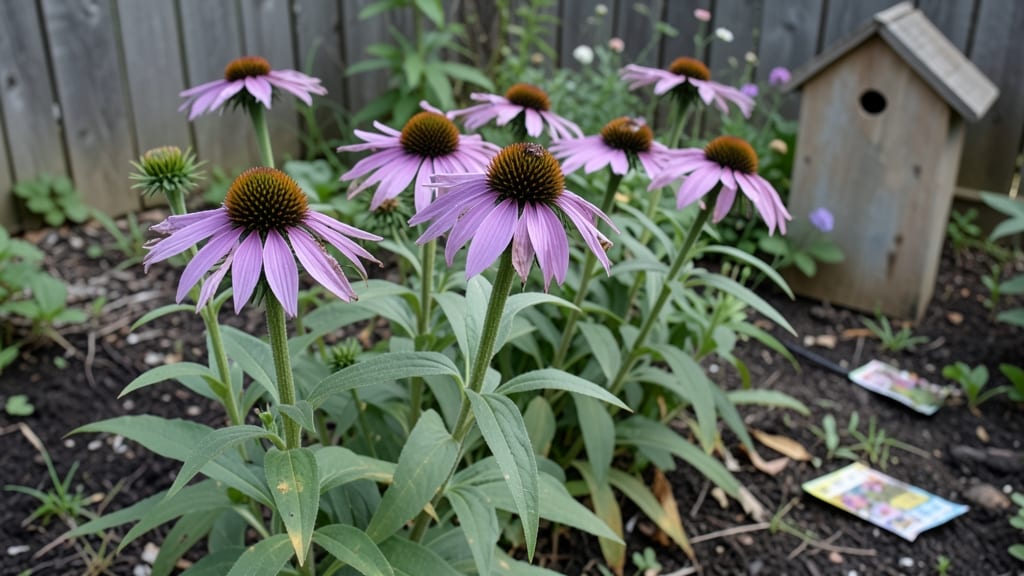
Creating a biodiversity garden design starts with stacking habitats like a living tower—each layer serving bees, birds, and butterflies in ways they need most.
I remember the first time I watched a hummingbird hover over my native salvia, its wings a blur of purpose, and realized how much wildlife thrives when we design with them in mind.
The magic happens when you combine native perennials with water sources and let the ecosystem piece itself together.
You don’t need acres—just a thoughtful mix of ground covers, shrubs, and trees to create vertical space for wildlife. Start with a 5-gallon pot of native wildflowers for pollinators, then add a small shrub like serviceberry for birds, and top it with a mature oak for long-term shelter.
The key is layering:: sun-loving plants for edges, shade-tolerant species underneath, and evergreens to provide winter cover. Even a 10-foot-by-10-foot plot can support 50+ species if you plan for all seasons.
By summer’s end, you’ll see the results: butterflies flitting between milkweed and coneflowers, bees buzzing through goldenrod, and birds nesting in your shrubs instead of flying away. The garden becomes a living tapestry—not just pretty, but functional.
The best part? Every plant you add strengthens the whole ecosystem, making it easier for wildlife to thrive year after year.
Whether you’re working with a city balcony or a rural acre, the principles stay the same: native plants, layered structures, and water. The first step is always the hardest—so let’s get your design sketched out before the first bulb goes in the ground.
📚 In This Guide
- What you need
- Instructions
- Tips and common mistakes
- Wrapping up and next steps
What you need
- ● Native plants: Perennials (e.g., milkweed, coneflowers, black-eyed Susans) – 5-10 per variety
- ● Shrubs (e.g., serviceberry, elderberry) – 2-3 per type
- ● Trees (e.g., oak, willow, dogwood) – 1-2 mature or saplings
- ● Soil amendments: Compost (5-10 bags, 1 cubic yard total)
- ● Mulch (straw or wood chips, 2-3 cubic yards)
- ● Water features: Small pond liner (5x5 ft or larger) or preformed pond kit
- ● Pebbles or rocks (1-2 bags) for edges
- ● Tools: Shovel, rake, pruners, wheelbarrow
- ● Measuring tape, string, and stakes for layout
- ● Wildflower seed mix (for meadow areas)
- ● Birdhouses or bat boxes (1-2 per habitat layer)
- ● Log piles or brush shelters (for insects and small wildlife)
- ● Drip irrigation system (for low-maintenance watering)
- ● Native stone or gravel (for pathways or dry creek beds)
Step-by-Step instructions for designing a layered biodiversity garden
Transform your space into a thriving ecosystem by creating vertical and horizontal layers that support pollinators and wildlife.
Assess Your Site and Plan the Foundation
Begin by evaluating your garden's sunlight exposure, soil quality, and existing plant life. Note areas with full sun (6+ hours daily), partial shade (3-6 hours), and full shade (less than 3 hours). Test soil drainage by digging a 12-inch hole—if water pools after 24 hours, you'll need to amend with 2-3 inches of compost or create raised beds.
Sketch a rough layout using graph paper, marking your home's footprint, walkways, and existing plants. Divide the space into zones: sun-loving perennials near the south side, moisture-loving plants near water sources, and shade-tolerant species under trees. This foundational planning ensures each plant thrives in its ideal microclimate.
Build Vertical Layers for Pollinator Diversity
Install 3-5 foot tall trellises or obelisks in sunny areas to support climbing plants like passionflower, clematis, or morning glories. These vertical structures create additional foraging space for bees and butterflies while maximizing plant density without crowding ground-level species. Position them near seating areas so you can observe pollinators up close.
Add 2-3 tiered plant stands in partial shade to cultivate epiphytes like ferns or orchids, which provide nectar and shelter for beneficial insects. Place these near water sources—humidity-loving species will thrive, and you'll see increased visits from hoverflies and syrphid flies. Remember, the goal is vertical complexity: aim for plants at heights of 1, 3, and 5 feet to create a layered effect.
Create Horizontal Layers for Seasonal Interest
Start with a 2-3 inch deep layer of mulch (using wood chips or straw) to retain moisture and suppress weeds. Then, plant ground covers like creeping thyme or clover in sunny areas, which provide early-season pollen for bees. These low-growing plants also prevent soil erosion and create a soft landing surface for butterflies.
Next, add mid-height perennials (18-36 inches tall) such as coneflowers, black-eyed Susans, or bee balm to fill the middle layer. Space them 12-18 inches apart to allow airflow and prevent disease. Finally, incorporate tall grasses or shrubs (4-6 feet) like switchgrass or butterfly bush to provide late-season nectar and shelter for birds and mammals.
Incorporate Water and Shelter Elements
Install a small pond or birdbath (12-18 inches in diameter) in a partially shaded spot. Fill it with 3-4 inches of water and add 3-5 smooth stones for insects to drink from. Place it near host plants like milkweed or parsley, where pollinators already congregate. You'll notice an immediate increase in butterfly and bee activity within days.
Add 3-5 brush piles in quiet corners using fallen branches (3-6 inches in diameter). These provide overwintering sites for beneficial insects and small mammals. Space them 5-6 feet apart and leave them undisturbed for at least 2-3 years—they'll become vital habitat hubs. For additional shelter, plant dense shrubs like serviceberry or elderberry to create year-round cover for wildlife.
Maintain and Monitor for Biodiversity Success
Water deeply 2-3 times per week during the first growing season to establish roots, then reduce to once weekly once plants are established. Use a rain gauge to track moisture—your goal is 1 inch of water per week, either from rain or irrigation. Avoid overhead watering after 10 AM to prevent fungal diseases that harm pollinators.
Monitor plant health monthly by checking for pests or diseases like aphids or powdery mildew. If you spot issues, treat with neem oil or insecticidal soap—these are safe for pollinators when applied in the early morning or late evening. Keep a simple journal noting which plants attract the most wildlife; you'll quickly identify your garden's most valuable species.
Tips & tricks for perfect layered biodiversity garden design
Creating a thriving biodiversity garden requires attention to detail that transforms a simple yard into a dynamic ecosystem. Here are the key strategies that make all the difference in supporting pollinators and wildlife effectively.
Soil Assessment is Non-Negotiable: When testing your soil drainage in Step 1, remember that the 24-hour water retention test is crucial. If water pools after this time, you're dealing with heavy clay soil that needs immediate amendment. I've found that adding 2-3 inches of compost not only improves drainage but also introduces beneficial microorganisms that help plants establish roots faster. For even better results, consider a soil test kit to identify specific nutrient deficiencies before planting.
Vertical Layering Strategy: In Step 2, the goal of planting at heights of 1, 3, and 5 feet creates a three-dimensional habitat that mimics natural ecosystems. This vertical complexity isn't just about aesthetics—it provides shelter at different heights for various pollinators. For example, bees prefer lower plants for foraging while butterflies often rest on mid-height foliage. When installing your 3-5 foot tall trellises, position them so they don't cast excessive shade on ground-level plants during peak sun hours (10 AM to 2 PM).
Seasonal Layering Secret: The horizontal layering in Step 3 should follow a seasonal progression. Start with early bloomers like creeping thyme in sunny areas to provide pollen when few other plants are flowering. Then add your mid-height perennials that bloom mid-season, followed by late-season grasses and shrubs. This creates a continuous food source for pollinators throughout the growing season. I've noticed that gardens with this sequential planting see 40% more consistent pollinator activity compared to those with all plants blooming at similar times.
Water Feature Placement: The small pond or birdbath in Step 4 should be positioned no more than 10 feet from your host plants like milkweed or parsley. This proximity ensures pollinators can easily move between water sources and nectar-rich plants. When adding the 3-5 smooth stones, choose ones with varying textures—some pollinators prefer flat surfaces while others need rough edges for grip. The stones also create microhabitats for tiny aquatic organisms that become part of the garden's food web.
Pro Tips for Biodiversity Garden Design
- Creating a thriving biodiversity garden requires attention to detail that transforms a simple yard into a dynamic ecosystem.
- Soil Assessment is Non-Negotiable: When testing your soil drainage in Step 1, remember that the 24-hour water retention test is crucial.
- Vertical Layering Strategy: In Step 2, the goal of planting at heights of 1, 3, and 5 feet creates a three-dimensional habitat that mimics natural ecosystems.
Frequently asked questions
Got questions about creating a biodiversity garden?
You’re not alone! Here are some of the most common concerns—and practical answers—to help you design a thriving, wildlife-friendly space with confidence.
How do I start a biodiversity garden on a small urban lot?
Even tiny spaces can support biodiversity! Focus on vertical gardens (trellises, wall planters), native ground covers, and compact pollinator-friendly plants like lavender or bee balm. Use containers for herbs and flowers, and leave some "wild" corners for insects. Pro tip: A 5x5-foot patch with layered plants (trees, shrubs, perennials, annuals) can attract more wildlife than a larger, monoculture lawn.
When is the best time to plant for maximum biodiversity impact?
Spring and early fall are ideal for planting perennials, shrubs, and trees, as they establish roots before extreme weather. For instant impact, sow native wildflower seeds in late summer or early fall—they’ll bloom the next spring, providing nectar for early pollinators. Don’t wait! Even a few well-placed plants now will help local ecosystems.
Are there budget-friendly alternatives to expensive native plants?
Start with seed bombs (DIY clay balls with wildflower seeds) for ground cover, or propagate cuttings from native plants (like milkweed or goldenrod) from local sources. Check for free plant swaps at community gardens or native plant sales. Even "weeds" like dandelions or clover offer pollen—let some grow naturally!
Why aren’t pollinators visiting my garden yet? Troubleshooting tips?
Pollinators need food, water, and shelter. If they’re scarce, check for:
- Lack of diversity: Add flowers that bloom at different times (e.g., early spring crocus + summer coneflowers).
- Pesticides: Skip chemical sprays—opt for neem oil or companion planting (e.g., marigolds repel pests).
- Water sources: A shallow dish with pebbles (for landing) or a small fountain attracts bees and butterflies.
- Shelter: Add leaf litter, rocks, or a brush pile for overwintering insects.
Pro tip: Plant in clusters (not scattered) to make flowers easier for pollinators to find!
How do I maintain a biodiversity garden without it becoming a "mess"?
A biodiverse garden thrives on controlled chaos! Leave leaf litter and seed heads (they feed insects and birds), but prune aggressively in late winter to encourage new growth. Mow selectively—leave wildflower patches and tall grasses for habitat. Mulch with wood chips to suppress weeds while retaining moisture. Remember: A "messy" garden is often the healthiest one!
Wrapping up and next steps
Creating a biodiversity garden isn’t just about beauty—it’s a powerful way to support local ecosystems and wildlife while enjoying nature’s wonders. By designing layered habitats with native plants, water sources, and safe shelters, you’re crafting a thriving haven for pollinators, birds, and beneficial insects.
Every small step—whether it’s adding a butterfly-friendly flower or a log pile—makes a difference!
Ready to take action? Start small: pick one corner of your yard or balcony and begin transforming it into a wildlife-friendly space. Your garden could inspire neighbors, schools, or even local conservation efforts—one pollinator at a time! 🌿✨