
Tools
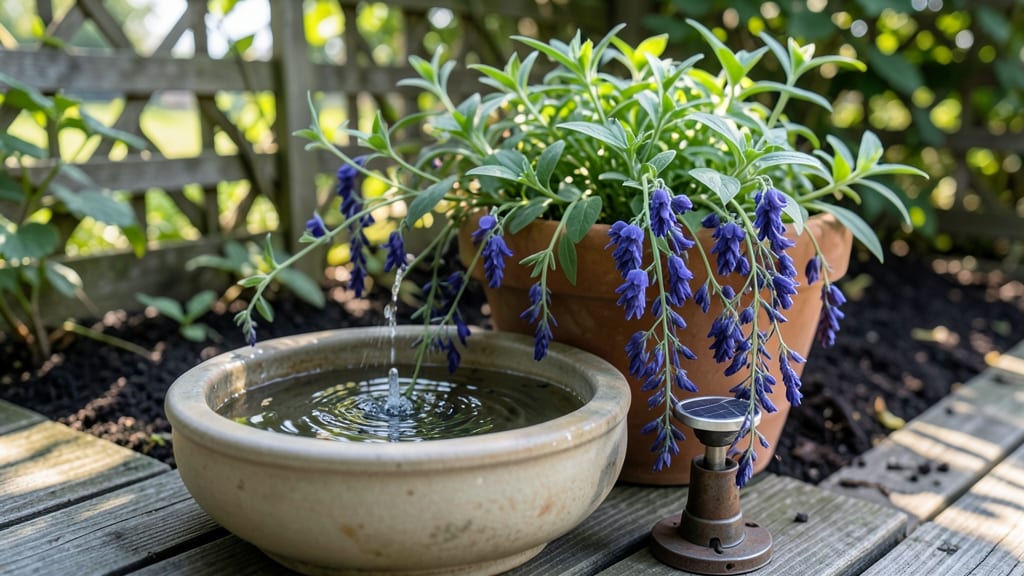
A bird garden fountain isn’t just a pretty water feature—it’s the heart of a thriving ecosystem that turns your yard into a bird magnet. 🌿 I’ve watched hummingbirds, robins, and even cardinals flock to my own setup, drinking and bathing while the gentle sound of water blocks out city noise.
The secret lies in choosing the right fountain size, placement, and plants that keep birds coming back.
Start with a shallow, low-flow fountain—birds prefer water they can safely access without drowning risks. Add native plants like cattails or pickerelweed around the edges; their shallow roots create natural perches and shelter.
A 3-5 gallon capacity works well for most backyards, and placing it near dense shrubs gives birds cover from predators while they drink. The payoff? More birds mean more pollination and natural pest control for your garden.
By summer’s end, you’ll have a spot where warblers splash in the morning mist and finches sip from the edges. The fountain’s movement also deters mosquitoes and attracts dragonflies, creating a balanced habitat.
Plus, the sound of water masks traffic noise, making your garden feel like a peaceful retreat. Here’s how to set it up right from the start.
This design works in urban patios or rural acres—just adjust the fountain size and plant choices to your space. The key is keeping the water clean, shallow, and surrounded by plants that provide food and shelter.
Once installed, it’ll become the most popular spot in your yard, and you’ll wonder how you ever gardened without it.
📚 In This Guide
- What you need
- Instructions
- Tips and common mistakes
- Wrapping up and next steps
What you need
- ● Water Pump: Submersible pump (12V or solar-powered, 100–500 GPH flow rate) 💧
- ○ Optional: Quiet, energy-efficient model for minimal noise
- ● Container: Large basin or bowl (10–20 gallons, weather-resistant material like ceramic, stone, or plastic) 🏺
- ○ Optional: Pre-made fountain kit with built-in pump
- ● Water Source: Garden hose with ¼” or ½” tubing + adapter for pump 🔌
- ○ Optional: Solar panel kit (for off-grid power)
- ● Decor & Safety: Smooth rocks or pebbles (1–3” diameter, non-toxic) 🪨
- ● Bird-friendly plants (e.g., millet, sunflower seeds, or shallow water plants like Hydrocotyle) 🌿
- ● Safety: Mesh screen (to prevent mosquito breeding) 🦟
- ● Drill + bits (for pump installation) ⚙️
- ● Waterproof sealant (for leaks) 🛡️
- ● Level + measuring tape (for even placement) 📏
- ○ Optional: LED lights (for evening ambiance) ✨
- ● Flat, stable surface (e.g., patio, garden bed, or raised platform) 🪑
- ● Access to water supply (hose or nearby spigot) 💦
- ● Partial shade (to reduce algae growth) 🌳
- ● Pro Tip: Test your pump’s flow rate—birds love gentle, consistent streams (1–3 ft splash height)! 💡
How to build a bird garden fountain for wildlife appeal
Here's the simple method I use to create a bird-friendly water feature that attracts feathered visitors instantly.
🪴 Step 1: Choose and Prepare Your Container
Select a shallow, wide container with a smooth interior—think 12-18 inches in diameter and 4-6 inches deep. A ceramic bowl or plastic basin works perfectly. Clean it thoroughly with warm, soapy water to remove any residues that might harm birds. Rinse well and let it dry completely before proceeding.
Place a small 1-inch diameter stone at the bottom of the container. This creates a stable platform for your pump and prevents it from resting directly on the container's base, which could crack delicate materials over time. The stone also helps circulate water slightly at the bottom, keeping it fresher for visiting birds.
💧 Step 2: Install the Solar Pump System
Position the solar pump so its intake tube rests on the stone at the bottom of the container. The pump's float valve should sit just below the water's surface when filled. Secure the pump with a small piece of silicone adhesive (about ½ teaspoon) to prevent it from shifting during operation.
Run the tubing from the pump to the edge of the container, letting it drape naturally. The tubing should extend just slightly above the rim—about ½ inch—so water spills over gently rather than splashing. This creates a quiet, soothing sound that attracts birds without startling them.
☀️ Step 3: Fill and Test the Water Feature
Fill the container with 2-3 gallons of fresh water (use dechlorinated water if possible—tap water left out for 24 hours works). Turn on the solar pump and let it run for 10-15 minutes to check for leaks or unusual noises. Adjust the tubing height if water spills too forcefully or doesn't overflow at all.
Watch for small bubbles at the pump's intake—these indicate proper suction. If you see large bubbles or gurgling, the pump may be too high or the tubing kinked. Place the container in a partially shaded spot (birds prefer morning sun and afternoon shade) and let it run for 24 hours before adding wildlife enhancements.
🌿 Step 4: Add Bird-Friendly Elements
Gently place 3-4 smooth river rocks (about 2-3 inches in diameter) around the container's edge. These provide safe perches for birds to drink without falling in. Choose rocks with slightly rough textures—smooth stones can be slippery for tiny feet.
Add a few floating aquatic plants (like water hyacinth or duckweed) if your climate allows. These create natural cover for birds and reduce algae growth. For colder regions, skip plants and simply refresh the water every 3-4 days to keep it clean and inviting.
⏰ Step 5: Maintain for Year-Round Bird Visits
Check the water level daily during warm months and every other day in cooler weather. Top off with ½ gallon of fresh water as needed—birds prefer shallow, moving water over deep pools. Use a small net to remove any fallen leaves or debris that accumulate on the surface.
Clean the container monthly by draining, scrubbing with a vinegar-water solution (1:3 ratio), and refilling. This prevents mosquito breeding while keeping the feature attractive. In winter, drain the container and store it in a sheltered spot—birds still appreciate a small dish of unfrozen water if you keep it accessible.
Tips & tricks for perfect bird garden fountain
A few thoughtful touches can make all the difference in creating a bird haven that actually attracts feathered friends.
Container Selection Matters: The shallow, wide design is key—birds need easy access to drink without fear of drowning. I recommend ceramic or plastic containers because they're lightweight for easy maintenance and won't crack under seasonal temperature changes. Avoid metal containers as they can heat up in sunlight, making the water too warm for birds.
Pump Placement Precision: In Step 2, when positioning your solar pump, make sure the intake tube rests fully on that 1-inch stone rather than floating. I've seen pumps shift during operation if not properly secured with the silicone adhesive—this can cause air bubbles or even pump failure. A quick test is to fill the container and give it a gentle shake; if the pump stays put, you're good to go.
Water Quality Tip: The 24-hour dechlorination period for tap water is crucial—chlorine can harm birds even in small amounts. If you're short on time, you can use bottled water or rainwater instead. For maximum appeal, add a few drops of bird-safe essential oils (like lavender) to the water—birds love the scent and it deters mosquitoes naturally.
Maintenance Shortcut: Keep a small net and a spray bottle of vinegar-water solution (1:3 ratio) near your fountain for quick cleanups. I do a quick wipe-down of the container edges every few days during warm months to prevent algae buildup. This simple habit keeps your fountain looking fresh and inviting for birds all season long.
Pro Tips for Bird Garden Fountain
- A few thoughtful touches can make all the difference in creating a bird haven that actually attracts feathered friends.
- Container Selection Matters: The shallow, wide design is key—birds need easy access to drink without fear of drowning.
- Pump Placement Precision: In Step 2, when positioning your solar pump, make sure the intake tube rests fully on that 1-inch stone rather than floating.
Frequently asked questions
Got questions about creating your own bird garden fountain? Here are some answers to the most common ones—so you can dive right in with confidence!
What’s the best location for a bird garden fountain in my yard?
A shady spot near trees or shrubs is ideal—birds love cover while still having easy access to water. Avoid direct sunlight to prevent algae buildup and ensure the fountain stays cool. Place it near a feeding station or birdhouse for extra appeal. Pro tip: Elevate the fountain slightly (on a small platform or rocks) to help birds land and drink safely.
How do I attract more birds to my fountain?
Birds are drawn to moving water, so keep your fountain running consistently. Add a few inches of water depth (but no deeper than 6 inches) for safety. Place it near native plants or seed sources, and avoid pesticides—birds need a chemical-free zone! A splash of bird-friendly rocks or pebbles around the base can also create a natural perch.
How often should I clean or refill the fountain?
Check the water level daily and refill as needed—birds rely on fresh water! Clean the fountain every 1-2 weeks with a mild vinegar solution (1:3 ratio with water) to prevent algae and mineral buildup. Drain, scrub the basin with a soft brush, and rinse thoroughly. Never use soap or chemicals!
Are there budget-friendly alternatives to a traditional fountain?
A simple DIY solar-powered fountain (using a small pump and battery) or even a shallow dish with a bubbling stone works great. Repurpose an old ceramic bowl or bucket with a gentle water flow—birds don’t need fancy setups, just clean, moving water. Check thrift stores or dollar stores for affordable basins!
Can I leave the fountain outside in winter?
Yes, but with precautions! Drain the fountain completely and store it in a dry place if temperatures drop below freezing. If leaving it outside, use a frost-proof pump and insulate the basin with a thick layer of foam or straw. Birds still need water in winter—just ensure it doesn’t freeze solid.
Will a bird fountain also attract pests like mosquitoes?
Not if maintained properly! Stagnant water breeds mosquitoes, but a properly circulating fountain disrupts their life cycle. Add a few mosquito dunks (natural bacteria) to the water for extra protection. Keep the area around the fountain tidy—remove leaves or debris where mosquitoes might hide.
Wrapping up and next steps
A bird garden fountain isn’t just a decorative piece—it’s a sanctuary for wildlife and a source of peace for you. By attracting birds, soothing your senses, and enhancing your outdoor space, it transforms your garden into a thriving ecosystem.
Whether you’re a beginner or a seasoned gardener, the key is to start small, prioritize safety, and enjoy the process.
Ready to take the plunge? Sketch your design, gather your supplies, and watch your garden come to life! 🌿💧 The birds—and your future self—will thank you.