
Tools
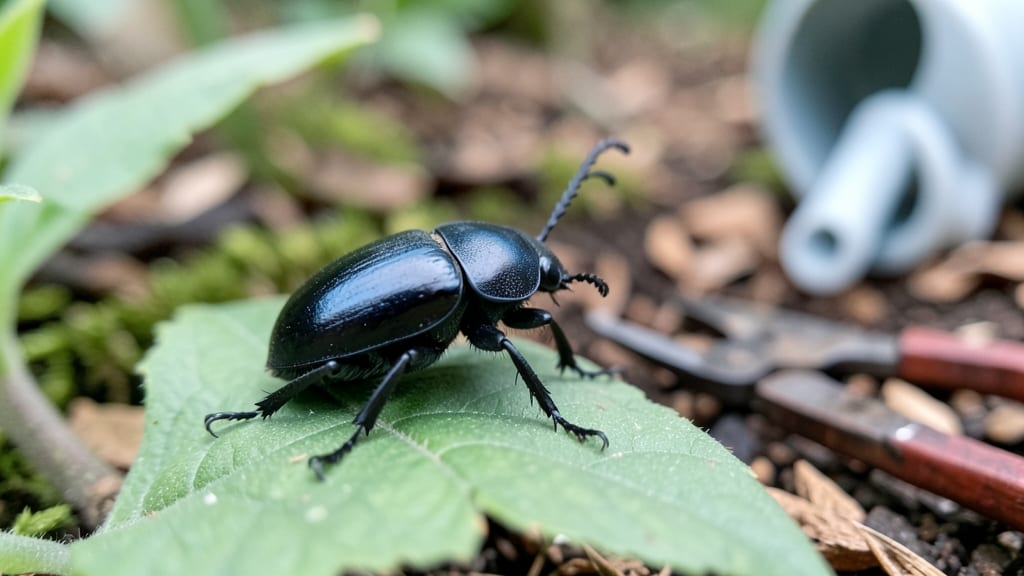
Black garden insects like ants, beetles, and fungus gnats can turn a thriving garden into a battleground overnight. 🌱 I’ve spent years testing humane traps and organic solutions that actually work—no harsh chemicals required.
The key is understanding their behavior and using targeted, non-toxic methods to outsmart them before they destroy your plants.
Most black insects invade for food, shelter, or moisture, and they often multiply quickly when conditions are right. Ants trail to aphids, beetles chew leaves, and fungus gnats thrive in damp soil.
The good news? Simple traps—like soapy water for gnats or citrus peels for ants—can disrupt their cycles without harming your garden’s ecosystem.
By the end of this guide, you’ll have a fail-safe system to identify these pests and deploy humane, chemical-free traps that protect your plants naturally. No more guessing—just effective, garden-friendly solutions that keep your soil and foliage intact.
Whether you’re dealing with a sudden infestation or just want to prevent future problems, these methods work in containers, raised beds, and in-ground gardens alike. Let’s get your garden back to thriving—without the pests.
Root Causes Of Dark Visitors
If your garden has suddenly become a hotspot for sleek, black insects, don’t panic—there’s always a reason behind their uninvited presence. Understanding these triggers helps you address the issue at its source, not just chase them away. Here’s why these tiny intruders show up in the first place.
Black insects like shiny black fungus gnats or sowbugs thrive in damp, soggy soil. Overwatering creates the perfect breeding ground because:
- Moisture attracts decay: Excess water slows drainage, leading to rotting organic matter—ideal food for fungus-loving insects.
- Root stress signals: Plants under waterlogged stress release volatile compounds that call pests like black vine weevils or pill bugs.
- Standing water = stagnation: Puddles or compacted soil trap larvae, preventing them from drying out.
Actionable fix: Test soil moisture with your finger—if the top 2 inches stay damp for days, reduce watering. Improve drainage with perlite or sand.
Compost piles, fallen leaves, and mulch that’s too thick? That’s an all-you-can-eat buffet for black insects like black soldier fly larvae or earwigs. Why?
- Decomposition = protein: Rotting plants release amino acids, which black insects crave for protein-rich diets.
- Dark, humid hideouts: Thick mulch or leaf litter mimics their natural forest-floor habitat, shielding them from predators and sun.
- Sugar-rich decay: Fruits or veggies left to rot (e.g., overripe tomatoes) emit sugars that draw black fruit flies or beetles.
Actionable fix: Turn compost frequently to aerate it, and remove fallen debris from garden beds. Store mulch in thin layers (1–2 inches) and keep it 6+ inches away from plant stems.
Stressed or nutrient-deficient plants emit chemical signals that invite black pests like black aphids or scale insects. Here’s how it happens:
- Nitrogen deficiency: Yellowing leaves (chlorosis) release volatile organic compounds (VOCs) that attract sap-sucking black bugs.
- Pest damage cycles: Once a few black insects feed on a plant, their saliva or frass (poop) triggers more pests to join the party.
- Root disturbances: Over-fertilizing or compacted soil disrupts roots, making plants leak sugars that black insects feast on.
Actionable fix: Boost plant health with balanced fertilizer (10-10-10) and mulch to retain moisture. Prune damaged leaves to break pest communication signals.
Sometimes, we bring the black invaders home—literally. Common human mistakes include:
- Firewood or potted plants: Black beetles (e.g., crawling black bugs) hitchhike on untreated wood or soil clumps.
- Compost tea or manure: Fresh, unsterilized compost can introduce black larvae or eggs to your garden.
- Poor storage: Storing tools, pots, or garden waste in damp sheds creates black insect nurseries.
Actionable fix: Inspect new plants/tools before bringing them indoors. Store firewood away from garden beds and keep sheds dry with dehumidifiers.
Pro Tip: 🔍 Identify the pest first! Not all black insects are harmful—some (like ladybugs’ larvae) are beneficial. Use a magnifying glass or app (e.g., iNaturalist) to confirm before acting.
Quick Fixes for Dark Garden Pests
Discovering black insects in your garden can feel like an unwelcome surprise, but the good news is that most of these pests can be managed naturally and effectively without harsh chemicals.
Below, we’ve mapped out practical solutions tailored to common causes—from overwatering to poor soil health—so you can restore balance to your garden with ease. Plus, we’ll share prevention tips to keep those pesky invaders away for good.
If your garden is soggy or waterlogged, black insects like fungus gnats or slugs thrive in damp conditions. Here’s how to dry things out and deter them:
- 🍳 Improve Soil Drainage Mix in coarse sand, perlite, or compost to aerate heavy clay soil. For containers, ensure pots have drainage holes and use a well-draining potting mix.
- 👨🍳 Reduce Watering Frequency Water deeply but less often—aim for 1–1.5 inches per week (adjust for rain). Avoid overhead watering, which keeps foliage damp and attracts pests.
- 🥘 Use Mulch Strategically Apply a 2–3 inch layer of organic mulch (straw, wood chips) to retain moisture without smothering roots. This keeps soil evenly moist but not soggy.
- ⏰ Prevent Future Issues
- Test your soil with a moisture meter to avoid overwatering.
- Choose drought-tolerant plants like lavender or succulents if your garden stays wet.
Black mold, sooty mold, or bacterial spots create perfect hiding spots for insects like aphids or scale. Tackle the root cause with these steps:
- 💡 Scrub Affected Leaves Use a mild soap solution (1 tbsp dish soap + 1 quart water) to wipe down leaves. For stubborn spots, neem oil spray (1 tsp neem oil + 1 tsp mild soap per quart water) disrupts fungal growth.
- 🎯 Prune and Dispose Properly Cut off blackened or diseased leaves/stems and bag them (don’t compost!). Sterilize pruners with rubbing alcohol to prevent spread.
- ✨ Boost Plant Health Strengthen plants with balanced organic fertilizer (like fish emulsion) to resist pests. Companion planting (e.g., marigolds or basil) can deter fungal-loving insects.
- 🔥 Prevention Checklist
- Space plants properly for airflow (3–6 inches between leaves).
- Water in the morning so foliage dries quickly.
- Rotate crops annually to prevent soil-borne pathogens.
Piles of leaves, grass clippings, or wood mulch attract black beetles, earwigs, and other decomposers. Keep your garden tidy with these fixes:
| Problem | Solution |
|---|---|
| Leaf litter or mulch buildup | Rake away thick layers and compost them properly (turn piles weekly to heat up and kill pests). |
| Grass clippings left on soil | Mow high (3–4 inches) and bag clippings or use them as mulch sparingly (1 inch max). |
| Wood or bark mulch attracting beetles | Replace with cedar chips or straw mulch (less appealing to pests). |
- 💡 Pro Tip: Store firewood at least 20 feet away from your garden—black beetles hitchhike easily!
If insects persist, try these non-toxic traps to catch (not kill) them:
- 🍺 Beer Traps for Slugs & Earwigs Bury a shallow dish filled with beer near problem areas. The scent lures them in, and they drown—no harm to plants or pets.
- 🍎 Apple Cider Vinegar Trap for Fungus Gnats Fill a small container with apple cider vinegar + a drop of dish soap. Cover with plastic wrap, poke holes, and place near soil. Gnats enter but can’t escape.
- 🌿 Yellow Sticky Traps for Flying Pests Hang yellow cards coated with petroleum jelly to catch aphids or whiteflies. Replace every 2–3 days.
- 🌙 Nighttime Shining Traps Use a blacklight or LED bug zapper (placed away from plants) to attract and trap nocturnal pests like moths.
With these targeted solutions, your garden will bounce back faster than you think. The key? Act quickly at the first sign of trouble, and prevent recurrence with smart habits. Happy gardening! 🌱🐞
Frequently asked questions
Are all black garden insects harmful to my plants?
Not at all! Many black insects are actually beneficial. For example, ladybug larvae and ground beetles help control aphids and other pests. The key is identifying them first—use a magnifying glass or app like iNaturalist before taking action. Only target the harmful ones like fungus gnats or black vine weevils.
Why do I keep seeing black beetles in my garden at night?
Nocturnal black beetles are usually drawn to moisture, light, or decaying organic matter. They thrive in damp soil or under mulch piles. To deter them, reduce evening watering, improve drainage, and keep mulch thin (1-2 inches). Store firewood away from garden beds—beetles often hitchhike on wood.
What's the fastest way to get rid of black fungus gnats?
For immediate relief, use an apple cider vinegar trap: mix equal parts vinegar and water with a drop of dish soap, cover with plastic wrap (poke holes), and place near affected soil. Replace every 2-3 days. Long-term, let the topsoil dry between waterings and use sand or perlite to improve drainage.
Can black insects damage my houseplants too?
Fungus gnats and mealybugs (often black or dark-colored) love houseplants with overly moist soil. Repot in fresh, well-draining mix and water only when the top inch feels dry. For gnats, place yellow sticky traps near foliage. Mealybugs respond well to rubbing alcohol wipes on infested areas.
When should I call a professional for black garden pests?
Consider professional help if you've tried organic methods for 4+ weeks with no improvement, or if you spot large infestations of black vine weevils (they can kill plants quickly). Also consult an expert if you're dealing with rare pests like black widow spiders (though uncommon in gardens). For most cases, DIY traps and prevention work perfectly!