
Tools
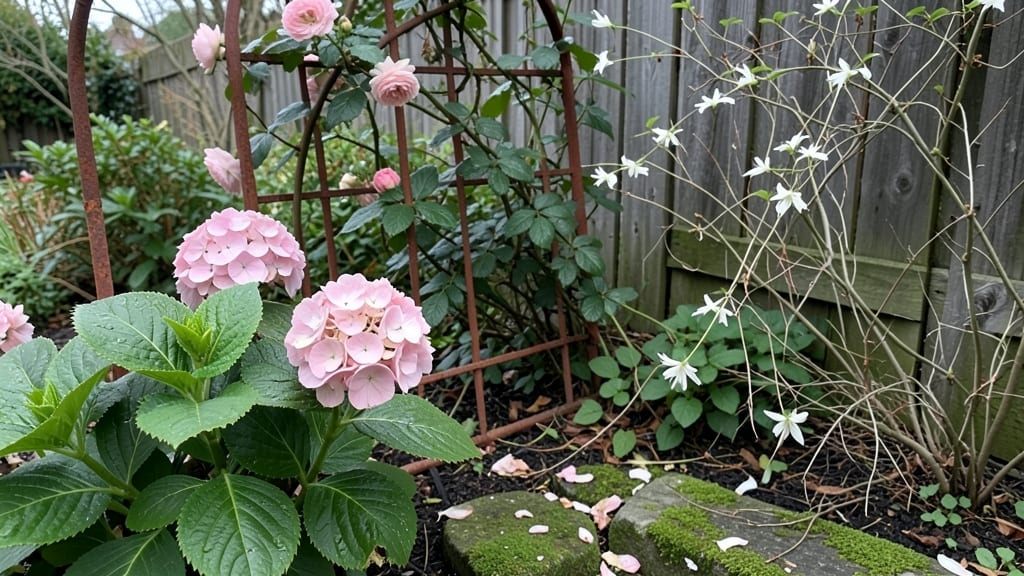
Fletcher Moss Gardens isn’t just a garden—it’s a time capsule of Victorian elegance where every path, border, and trellis tells a story. 🌿 The moment I walked through its iron gates, I knew this wasn’t just design; it was a love letter to craftsmanship, with wrought-iron arches, layered perennials, and a color palette that feels like stepping into a storybook.
The secret lies in how Moss blends structure with nature, creating spaces that feel both grand and intimate.
The Victorian touch isn’t about fuss—it’s about intention. Moss used bold focal points (like ornate urns or sculptural trees) to anchor each area, then filled the rest with lush, repeating plant combinations. Think deep purples, creamy whites, and rich greens arranged in symmetrical drifts that draw the eye.
Even small gardens can steal this magic with a single statement trellis or a carefully chosen mix of lavender, roses, and ferns.
What makes it timeless? The layers. Moss layered plants by height, texture, and bloom time—so every season reveals something new. Start with a simple framework: a sturdy fence or arbor, then weave in climbers like clematis or roses.
Add height with delphiniums or hollyhocks, and fill the base with hardy perennials like peonies or asters. The result? A garden that feels deliberately beautiful, not just decorative.
Here’s the best part: you don’t need a sprawling estate. A 10-foot-wide border or a small patio can echo Moss’s charm with the right plant choices and a few structural details.
The key is balance—let the plants do the talking, and the design will feel effortless. Ready to bring a little Victorian romance home?
📚 In This Guide
- What you need
- Instructions
- Tips and common mistakes
- Wrapping up and next steps
What you need
- ● Topsoil: 10+ cubic yards (for leveling and enriching soil)
- ● Compost: 2+ bags (for nutrient boost)
- ● Mulch: 5+ bags (cedar or bark for pathways and beds)
- ● Victorian-inspired plants: Roses (e.g., David Austin varieties)
- ● Hydrangeas (for lush foliage)
- ● Lavender, foxgloves, and delphiniums (for height and texture)
- ● Ornamental grasses (e.g., Pennisetum)
- ● Garden borders: Cast iron or wrought iron edging (10–20 ft, depending on bed size)
- ● Arches/gateways: Pre-made Victorian-style metal arches (or DIY materials like reclaimed wood + lattice)
- ● Hand tools: Trowel, pruners, loppers, and a garden fork
- ● Measuring tools: Tape measure, level, and stakes
- ○ Power tools (optional): Hedge trimmer, wheelbarrow, and a string trimmer
- ● Safety gear: Gloves, knee pads, and dust mask (for soil work)
- ● Location: Ensure full sun (6+ hours/day) for roses/hydrangeas; partial shade for delicate perennials.
- ● Permits (if applicable): Check local regulations for permanent structures (e.g., trellises, arches).
- ● 💡 Pro Tip: Sketch your layout first—Victorian gardens thrive on symmetry and layered planting!
- ● 🌡️ Climate Note: Choose cold-hardy plants if you’re in a Zone 5+ area.
Step-by-Step instructions for designing Victorian-inspired garden layouts
Here’s how to create a Fletcher Moss-inspired garden that balances structure and whimsy.
🌿 Step 1: Define Your Garden’s Victorian Framework
Begin by sketching your garden’s footprint, dividing it into distinct zones inspired by Fletcher Moss’s layered approach. Victorian gardens often feature a central axis—like a gravel path or ornamental hedge—that draws the eye toward a focal point, such as a gazebo, fountain, or sculptural tree. Use graph paper or a digital tool to map out these pathways and boundaries, ensuring they create a sense of symmetry while allowing for organic curves.
For a true Fletcher Moss feel, incorporate a mix of geometric and natural forms. A rectangular flower bed with rounded edges, for example, nods to the era’s love of both precision and romance. Mark your design with stakes and string to visualize the layout before planting.
🪴 Step 2: Layer Plants for Depth and Seasonal Interest
Victorian gardens thrive on texture and color contrasts, so choose plants that offer year-round appeal. Start with a tall focal point—like a hollyhock or a small ornamental tree—positioned at the center of each bed. Surround it with mid-height shrubs such as lavender, hydrangeas, or boxwood, which provide structure and fill the middle layer. Finally, fill the foreground with low-growing perennials like roses, pansies, or ferns to create a lush, carpet-like effect.
Incorporate climbing plants like clematis or jasmine to train along trellises or arbors, adding vertical interest and a touch of Victorian drama. Group plants in odd-numbered clusters (threes or fives) for a natural yet deliberate look. Mulch with shredded bark or gravel to define beds and suppress weeds while maintaining the garden’s refined appearance.
☀️ Step 3: Add Ornamental Elements and Furnishings
Fletcher Moss’s gardens are as much about architecture as they are about flora. Introduce wrought-iron or cast-iron furniture—think benches, arbors, or decorative urns—to anchor seating areas or highlight key plants. Place these pieces along pathways or at the end of a bed to create inviting focal points. Stone or brick edging can also enhance the garden’s structured yet romantic aesthetic.
Don’t overlook the power of lighting. Victorian gardens often feature lanterns or solar-powered lights along pathways to extend usability into the evening. Choose fixtures with a vintage-inspired design, such as black metal or wrought iron, to complement the overall theme. Even a simple string of fairy lights draped over an arbor can evoke the whimsical charm of the era.
✂️ Step 4: Maintain the Victorian Aesthetic Year-Round
Regular pruning and deadheading keep your garden looking polished, which is key to preserving its Victorian elegance. Trim back overgrown shrubs in early spring to encourage new growth, and remove spent blooms promptly to encourage continuous flowering. For roses, practice deadheading daily during their peak season to maintain their signature lushness.
Seasonal swaps are also essential. Replace spring bulbs with summer annuals like dahlias or zinnias, and transition to fall foliage plants like chrysanthemums or ornamental grasses. Add winter interest with evergreens, bare-stem dogwoods, or pinecones scattered among shrubs. A light dusting of gravel or bark mulch in the colder months will keep the beds looking neat and intentional.
💧 Step 5: Preserve the Garden’s Character Through Thoughtful Care
Victorian gardens demand attention to detail, so water deeply but infrequently to encourage strong root systems. Use a drip irrigation system or soaker hoses to deliver moisture evenly without disrupting the soil’s structure. Early morning watering is ideal—it minimizes evaporation and prevents fungal diseases that can mar the garden’s pristine appearance.
Finally, take time to appreciate the little touches that define a Fletcher Moss garden. A carefully placed birdbath, a cluster of vintage garden tools leaning against a fence, or even a hand-painted sign can elevate the space. These elements remind us that Victorian gardens are as much about storytelling as they are about horticulture.
Tips & tricks for perfect Fletcher Moss-inspired garden layouts
Creating a Fletcher Moss garden isn't just about planting—it's about crafting a living work of art that tells a story. Here are the insights I've gathered from studying Victorian garden design principles that'll elevate your layout from charming to extraordinary.
The Symmetry Secret: Victorian gardens thrive on the interplay between structure and organic flow. When sketching your layout in Step 1, use graph paper to create precise geometric shapes for beds and paths, but leave room for natural curves in the borders. I recommend starting with a central axis—whether it's a gravel path or ornamental hedge—and then creating mirror-image plantings on either side. This creates that signature Victorian balance while allowing for whimsical variations that make the garden feel alive rather than rigid. Think of it as the visual equivalent of a well-composed sonnet.
Plant Layering Technique: The three-tiered planting approach in Step 2 is where Victorian gardens truly shine. For maximum impact, I suggest selecting your tall focal point first—something dramatic like a hollyhock or small ornamental tree—and then working outward. The key is creating visual depth: your mid-height shrubs (like lavender or boxwood) should be positioned to frame the tall plants, while the low-growing perennials create that lush carpet effect. Pro tip: When grouping plants, use odd numbers (threes or fives) for a natural yet deliberate arrangement that feels intentional rather than random. This creates visual interest that guides the eye through the garden.
Ornamental Storytelling: Victorian gardens were designed to be experienced, not just observed. In Step 3, when adding furniture and lighting, think about creating intimate spaces rather than just decorative elements. Place your wrought-iron benches or decorative urns where they'll frame specific views or highlight particular plants. For lighting, I recommend placing lanterns along pathways at intervals of about 6-8 feet to create a magical evening ambiance. The goal is to make your garden feel like a series of carefully curated vignettes that tell a story as you move through them—almost like walking through a beautifully illustrated novel.
Seasonal Transition Strategy: The real magic of a Fletcher Moss garden is its year-round appeal. In Step 4, when planning your seasonal swaps, I suggest creating a "plant rotation calendar" that maps out which plants will shine in each season. For example, plant spring bulbs in early autumn, summer annuals like dahlias in late spring, and winter interest plants like evergreens or pinecones in late summer. This ensures you always have something blooming or providing texture, creating that continuous visual narrative that defines Victorian gardens. And don't forget to keep your mulch fresh—it's the unsung hero that maintains that polished look between seasons.
Pro Tips for Fletcher Moss Gardens
- Creating a Fletcher Moss garden isn't just about planting—it's about crafting a living work of art that tells a story.
- The Symmetry Secret: Victorian gardens thrive on the interplay between structure and organic flow.
- Plant Layering Technique: The three-tiered planting approach in Step 2 is where Victorian gardens truly shine.
Frequently asked questions
Planning a Victorian-inspired garden at Fletcher Moss Gardens? Here are answers to common questions to help you bring your vision to life—from timing to troubleshooting!
What’s the best time of year to start a Victorian garden layout?
The ideal time is early spring (March–April) or fall (September–October). Spring allows you to take advantage of mild weather and new plantings, while fall gives roots time to establish before winter. Avoid extreme heat or frost, which can stress plants and soil prep.
How do I choose the right Victorian-style plants for my space?
Focus on romantic, layered plants like roses, hydrangeas, lavender, and climbing clematis for vertical interest. For smaller gardens, opt for dwarf varieties or container-friendly plants. Fletcher Moss Gardens offers curated lists—check their seasonal plant guides for color-coordinated pairings!
Are there budget-friendly alternatives to traditional Victorian garden materials?
Yes! Swap expensive wrought iron for powder-coated steel or wooden trellises. Use recycled bricks for pathways instead of stone, and DIY terracotta pots with paint for a vintage look. Thrift stores often have ornate mirrors or lanterns to repurpose as garden decor.
How do I prevent pests in a Victorian garden without harsh chemicals?
Embrace natural deterrents: Plant marigolds or garlic near roses to repel aphids, use neem oil for fungal issues, and introduce ladybugs or birds to control pests. Fletcher Moss Gardens recommends companion planting—like basil with tomatoes—to create a balanced ecosystem.
How long does it take to see noticeable results in a Victorian garden?
With proper care, you’ll see early blooms in 6–8 weeks (e.g., annuals like petunias). Perennials like peonies or hostas may take 1–2 years to fully mature. Key tip: Prune regularly and mulch to speed up growth—Victorian gardens thrive on patience and precision!
Wrapping up and next steps
Fletcher Moss Gardens proves that timeless beauty doesn’t require modern trends—just thoughtful design and a touch of Victorian charm. Whether you're drawn to the intricate ironwork, lush greenery, or serene pathways, these layouts offer inspiration for gardens that stand the test of time. 🌿✨
Ready to bring a piece of history into your outdoor space? Start small—sketch a layout, gather a few key materials, and let your creativity bloom! Your perfect garden is just a shovel’s throw away.