
Tools
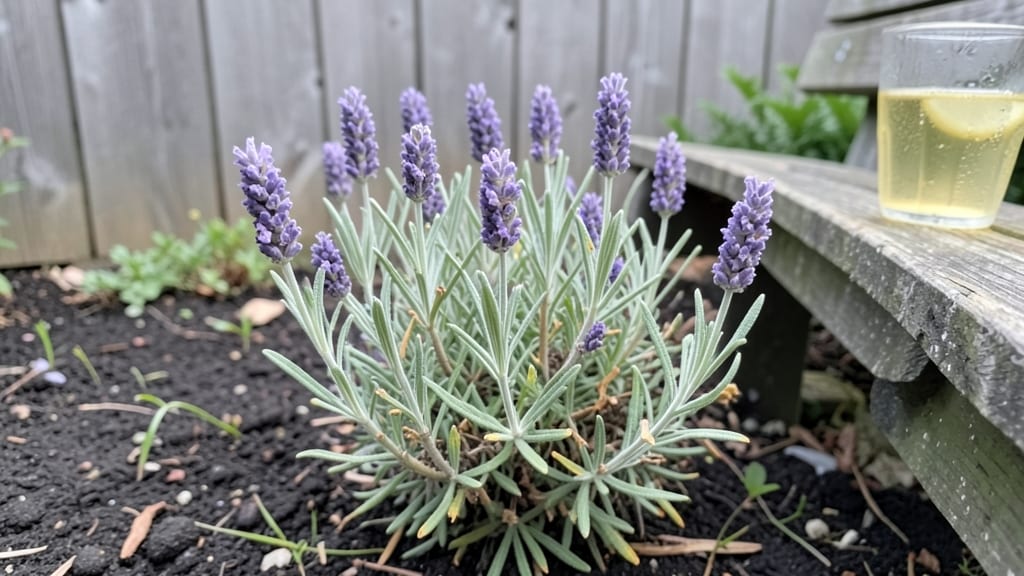
Here are some garden day ideas to keep your yard vibrant all season—just pick the right plants and skip the endless pruning battles. 🌸 The secret lies in choosing perennials that reward you with flowers from spring through fall, then letting nature do most of the work.
Think coneflowers, black-eyed Susans, and Russian sage—they thrive on neglect and multiply every year. Add a few ornamental grasses for texture, and you’ve got a garden that looks effortless. The key is grouping plants with similar care needs together so you’re not running back and forth with shears.
You’ll end up with a garden that’s always in season, requiring only occasional trimming instead of constant upkeep. Imagine walking past your front yard in July and August and seeing blooms everywhere—no pruning required. The best part? These plants attract pollinators all season long.
Works for small urban gardens or spacious backyards—just pick the right plants for your sunlight and soil. Here’s how to build your low-maintenance blooming paradise without breaking a sweat.
Root Causes Of Low-Maintenance Blooms
Understanding why some plants thrive with minimal pruning while others demand constant attention starts with their biology. Here’s why certain flowers and shrubs stay lush and blooming with less effort—plus how to leverage these traits in your garden.
Some plants are genetically wired for self-cleaning foliage and prolonged blooming cycles, reducing the need for pruning. For example: - Perennials like coneflowers (Echinacea) and black-eyed Susans (Rudbeckia) grow on woody stems that persist year after year.
Their dead flowers (seed heads) stay upright, avoiding the "messy" look that triggers pruning urges. - Shrubs like butterfly bush (Buddleia) and potentilla produce long, arching branches that naturally shed old blooms without losing structure.
Their semi-evergreen or deciduous nature means they don’t require heavy trimming to stay tidy. - Grasses like ornamental miscanthus or fountain grass grow in clumps or tufts, with hollow, airy stems that don’t accumulate debris. Their vertical growth keeps them looking intentional, even when unpruned.
Actionable tip: 🌿 Look for plants labeled "self-cleaning," "low-maintenance," or "perennial" with "woody stems." These are your best bets for reducing pruning work.
Plants that evolved in harsh or unpredictable climates often develop survival strategies that align with low-maintenance gardening: - Drought-tolerant species (e.g., lavender, sedum, or Russian sage) grow compact, slow-spreading roots and succulent leaves, which store water and reduce the need for frequent trimming.
Their silver or gray foliage also reflects sunlight, minimizing stress. - Cold-hardy perennials (like peonies or daylilies) die back to the ground in winter, then regrow cleanly in spring.
Their rhizomatous growth (underground stems) spreads naturally without requiring pruning to contain them. - Mediterranean natives (such as rosemary or thyme) grow in dense, mounded forms because they compete for sunlight and water in dry conditions. Their evergreen or semi-evergreen nature means they don’t shed leaves messily.
Actionable tip: 🌡️ Check your USDA Hardiness Zone and match plants to your climate. Native or adapted species will demand less intervention because they’re already suited to your conditions.
Some plants self-prune through natural processes, like: - Seed head retention: Flowers like blanket flower (Gaillardia) or beardtongue (Penstemon) drop seeds gradually, leaving skeletal stems that add winter interest.
These stems don’t flop or look unkempt. - Dieback in perennials: Plants like cone flowers or asters may brown and collapse in late summer/fall, but their basal growth (new shoots at the ground level) pushes up cleanly in spring. - Succession blooming: Species like shasta daisies or coreopsis produce multiple flushes of flowers over the season, so old blooms fade naturally as new ones emerge—no need to deadhead aggressively.
Actionable tip: ✂️ Embrace the "wild" look by leaving seed heads on a few plants. Not only does this reduce work, but it also attracts birds and adds texture to your garden.
Modern horticulture has bred or selected plants with specific genetic traits that minimize pruning needs: - Slow growth rates: Plants like dwarf iris or creeping phlox grow just enough to fill their space without becoming unruly.
Their compact habit means they don’t outgrow their allotted area quickly. - Strong structural stems: Shrubs like dwarf ninebark (Physocarpus) or spirea have woody, flexible branches that hold up under their own weight, even when laden with flowers or snow. - Disease resistance: Many low-maintenance plants (e.g., heuchera or hebe) are bred to resist powdery mildew or fungal infections, which often necessitate pruning to remove affected foliage.
Actionable tip: 🔬 Look for plants labeled "slow-growing," "self-supporting," or "disease-resistant." These traits directly correlate with less pruning.
Plants that thrive in poor or well-drained soil often grow stronger, healthier stems that don’t weaken and flop.
For example: - Rock garden plants (like saxifrages or sempervivums) grow in shallow, fibrous root systems that don’t require deep pruning. - Moisture-loving perennials (such as hostas or astilbes) develop sturdy, upright foliage because they’re not struggling to access water, reducing the need for structural pruning. - Xeric plants (those adapted to dry conditions) grow tough, leathery leaves that don’t tear or brown easily, staying intact with minimal care.
Actionable tip: 💧 Amend your soil to match the plant’s needs—don’t over-fertilize or overwater. Healthy roots = strong stems = less pruning.
Quick Fixes for Low-Maintenance Gardens
Transforming your garden into a vibrant, low-pruning paradise doesn’t have to mean endless work. Whether you’re dealing with overgrown perennials, frequent weeds, or unpredictable blooms, these practical solutions will help you keep your garden thriving with minimal effort.
Below, we’ve mapped common garden challenges to easy fixes—plus prevention tips to keep your space lush year-round.
Cause: Fast-growing plants left unchecked, aggressive spreaders, or poor pruning habits. Fix:
- 🔪 Strategic Pruning Cuts: Use clean, sharp shears to trim back overgrown stems by ⅓ in early spring. Focus on dead or crossing branches first.
- 🌿 Divide & Conquer: For crowded perennials (like hostas or daylilies), dig up clumps in early fall or spring, split them, and replant sections elsewhere.
- 📅 Schedule Light Maintenance: Set a bi-weekly 10-minute check to snip stray stems before they take over.
Prevention Tips: ✔ Choose slow-to-spread plants like lavender, Russian sage, or coneflowers—they bloom reliably with minimal pruning. ✔ Mulch heavily (3–4 inches) to suppress weeds and reduce regrowth. ✔ Label plants so you know what needs trimming—and when.
Cause: Bare soil, poor mulching, or competitive ground covers failing. Fix:
- 🛠️ Smother & Suppress: Lay cardboard or landscape fabric under weeds, then top with wood chips or straw to block sunlight.
- 💧 Vinegar Spray (Spot Treatment): Mix 1 gallon white vinegar + 1 cup dish soap in a spray bottle. Target small weeds only (avoid desirable plants).
- 🌱 Plant a Living Mulch: Use creeping thyme, clover, or ajuga to crowd out weeds naturally.
Prevention Tips: ✔ Mulch annually (spring or fall) to prevent weed seeds from germinating. ✔ Plant densely—tightly packed perennials leave little room for weeds. ✔ Hand-pull weekly (10 minutes saves hours later!).
Cause: Over-pruning, nutrient depletion, or wrong plant placement. Fix:
- 🌿 Feed & Hydrate: Apply a slow-release fertilizer (like 10-10-10) in early spring, then deep-water weekly during dry spells.
- 🌞 Check Sunlight: Move shade-loving plants (like impatiens) away from harsh afternoon sun, and sun-worshippers (like black-eyed Susans) to brighter spots.
- 🌼 Deadhead Strategically: For annuals, snip spent blooms daily. For perennials, wait until after first frost to prune—this encourages stronger stems next year.
Prevention Tips: ✔ Pick perennials with long bloom times, like bee balm, shasta daisies, or peonies. ✔ Group plants by water needs to simplify irrigation. ✔ Test soil pH—most bloomers thrive in 6.0–7.0 range.
Cause: Weak plants, overcrowding, or ignoring early signs. Fix:
- 🦋 Encourage Beneficial Bugs: Plant dill, fennel, or marigolds to attract ladybugs and lacewings, which eat aphids and mites.
- 🧼 Neem Oil Spray: Mix 2 tbsp neem oil + 1 tsp mild soap + 1 quart water. Spray foliage (not blooms) at dusk to avoid harming pollinators.
- 🪴 Prune & Dispose: Remove infected leaves immediately (don’t compost!) and sterilize pruners with rubbing alcohol between cuts.
Prevention Tips: ✔ Space plants properly (check tags for spacing needs) to improve airflow. ✔ Water at the base (not overhead) to prevent fungal diseases like powdery mildew. ✔ Rotate crops if growing veggies—don’t plant the same family in the same spot yearly.
For zero-effort gardens, combine these habits: 💡 Plant "self-cleaning" perennials like catmint or Russian sage—they shed old blooms on their own. 💡 Use drip irrigation to water deeply but infrequently, saving time and encouraging strong roots. 💡 Take "before" photos in spring—compare them to fall to spot what needs adjustment next year.
With these targeted fixes, your garden will stay blooming, weed-free, and pest-resistant with less than an hour of work per week. Now go enjoy your low-stress outdoor oasis! 🌸✨
Frequently asked questions
What are the best low-maintenance plants for beginners?
Start with hardy perennials like coneflowers, black-eyed Susans, or Russian sage. These thrive with minimal care, bloom for months, and attract pollinators. Add ornamental grasses like fountain grass for texture—they need no pruning and add movement to your space.
How can I make my garden look full without heavy pruning?
Layer plants with varying heights and textures. Use clumping perennials (like catmint) and spreading ground covers (like creeping thyme) to fill gaps naturally. Mulch with wood chips to suppress weeds and keep the look tidy with zero effort.
What’s the easiest way to keep weeds under control?
Apply a thick layer of mulch (3-4 inches) around plants to block sunlight and prevent weed seeds from sprouting. For stubborn weeds, use a vinegar spray (1:1 ratio with water) on small patches—just avoid desirable plants. A weekly 10-minute hand-pulling session works wonders too!
Can I have a beautiful garden with no pruning at all?
Choose self-cleaning perennials and woody-stemmed shrubs that naturally shed old blooms. Leave seed heads on plants like blanket flower for winter interest—they add texture and feed birds. The key is selecting the right plants for your climate and sunlight.