
Pests
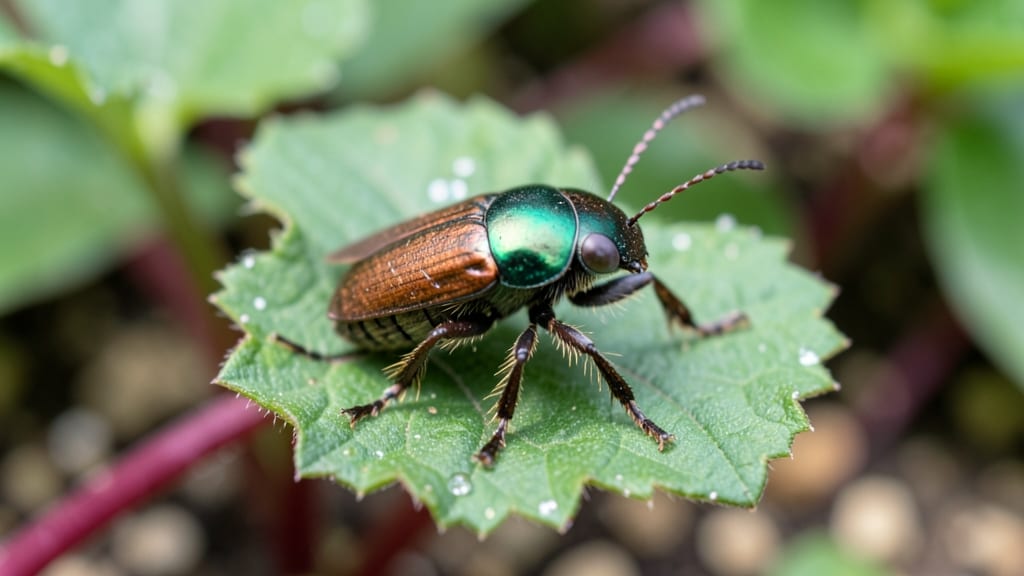
Japanese beetles and Colorado potato beetles can strip your garden bare in days—unless you act fast. 🌿 I’ve battled these pests for years, and the right organic barrier spray stops them within hours without harming your plants or pollinators.
The key is timing and the right mix: neem oil, kaolin clay, or insecticidal soap create a protective film that beetles avoid. You’ll need a spray bottle, a quiet evening (beetles are most active then), and patience for the first few applications to build a strong barrier.
Within 24 hours, you’ll see beetles bouncing off treated leaves instead of devouring them. Your tomatoes, roses, and potatoes stay intact, and the spray washes off with rain—no residue, no fuss. The best part? It works on other chewing pests too.
Works in all climates where beetles thrive, from the Midwest to the Northeast. Here’s how to make it work for your garden—no guesswork, just results.
Root Causes Of Beetle Infestations
Beetles don’t just show up in your garden by accident—they’re drawn in by specific conditions that make your yard an all-you-can-eat buffet. Understanding these triggers is the first step to stopping them before they become a full-blown problem. Here’s why your garden might be beetle central:
Beetles, especially grubs and larvae, thrive in soil that’s packed with organic matter—think fallen leaves, compost, or even overwatered mulch. Why?
- High nitrogen levels (from decaying plant material) fuel rapid beetle reproduction.
- Loose, aerated soil gives larvae easy access to roots, making them a prime food source.
- Overwatered conditions create the perfect moisture balance for egg-laying and larval growth.
Actionable insight: If your soil feels spongy or smells strongly of decomposition, beetles are likely feasting below. Test your soil’s nitrogen levels—if it’s high, adjust with balanced fertilizers or reduce organic mulch piles.
Beetles target plants that are already struggling—whether from disease, drought, or poor health. The science behind it:
- Damaged plants emit volatile organic compounds (VOCs), acting like a dinner bell for beetles.
- Soft, waterlogged stems (from overwatering or fungal infections) are easier for beetles to chew through.
- Young, tender shoots are a favorite snack for adult beetles like the Japanese beetle, which prefer fresh growth.
Pro tip: 💡 Inspect plants for early signs of stress (yellowing leaves, wilting) and address issues before beetles arrive. Healthy plants naturally repel pests with stronger defenses.
Beetles need two things to survive: cover and water.
Your garden might be unknowingly providing both: - Dense ground cover (like ivy or thick grass) gives adult beetles hiding spots during the day. - Standing water (from poor drainage or birdbaths) attracts beetles and their larvae, which need moisture to survive. - Woodpiles or rock borders create microclimates where beetles overwinter or lay eggs undisturbed.
Key fix: 🌡️ Reduce hiding spots by trimming dense vegetation, improving drainage, and storing firewood away from garden beds. Even a few feet can make a difference!
Beetles don’t invade randomly—they follow a predictable life cycle tied to seasons:
- Spring: Grubs hatch from eggs laid in soil, feeding on roots until they pupate.
- Summer: Adult beetles emerge, drawn to flowering plants for nectar (and your veggies for snacks).
- Fall: Beetles seek shelter to overwinter, often in leaf litter or mulch.
Critical window: 🎯 Late spring to early summer is peak beetle activity. Monitor your garden during this time and act fast—larvae can devastate roots in as little as 2 weeks.
Sometimes, we accidentally invite beetles in:
- Newly disturbed soil (from digging or planting) exposes larvae to the surface, where they’re easier for predators—or your plants—to find.
- Imported plants or mulch can carry beetle eggs or larvae from other regions.
- Lack of natural predators (like birds, toads, or parasitic wasps) tips the balance in favor of beetles.
Preventative move: ✨ Before planting, inspect soil and materials for signs of beetle activity. Encourage predator-friendly habitats (like a small pond or native plants) to keep beetle populations in check naturally.
Beat Back Beetles Naturally
Beetles may seem like tiny invaders, but with the right strategies, you can reclaim your garden without harsh chemicals. Below are practical, organic solutions tailored to common beetle issues—from leaf-munching Japanese beetles to soil-dwelling grubs. Each fix includes prevention tips to keep pests at bay long-term.
Cause: These shiny green-and-copper beetles devour leaves, flowers, and fruit in hours. Fix:
- 🍳 DIY Trap with Beer: Fill a shallow dish with beer (or a mix of water + 1 tbsp sugar + 1 tbsp yeast). Beetles drown in it—place traps away from plants to avoid luring more.
- 👨🍳 Handpick & Drop: Early morning, shake beetles into a bucket of soapy water. Pro tip: 💡 Use a damp towel to "sticky-catch" them—less messy than soap!
- 🌿 Neem Oil Spray: Mix 1 tbsp neem oil + 1 tsp dish soap + 1 quart water. Spray leaves evenly (avoid flowers to protect pollinators). Reapply after rain.
Prevention: ✅ Plant repellents like marigolds, catnip, or garlic near vulnerable plants. ✅ Mulch with wood chips—beetles avoid laying eggs in thick mulch layers.
Cause: White grubs (larvae of June bugs or chafer beetles) chew roots, killing lawns and young plants. Fix:
- 🔪 Milky Spore or Beneficial Nematodes: Apply milky spore powder (for June bugs) or nematodes (for grubs) to soil. These natural microbes infect and kill larvae over time.
- 🌡️ Solarize Soil (Summer Only): Cover bare soil with clear plastic for 4–6 weeks in hot sun. Temps rise to 120°F+, killing eggs/larvae. ⚠️ Warning: Only do this in dry, sunny patches—plants won’t survive!
- 🎯 Hand-Dig & Drown: Lift sod or mulch to spot grubs. Drop them in soapy water or relocate to a wild area (far from your garden).
Prevention: ✅ Aerate lawns in early fall to expose grubs to birds/beneficial insects. ✅ Reduce thatch—thick grass layers trap moisture, inviting beetles.
Cause: Tiny black beetles with jumping legs skeletonize leaves, leaving holes. Fix:
- 🛡️ Row Covers: Use fine mesh fabric over seedlings or vulnerable crops (like squash or beans). Secure edges to block beetles entirely.
- 🥗 Kaolin Clay Spray: Mix 1 tbsp kaolin clay + 1 gallon water. The white film confuses beetles and deters feeding. Reapply every 7–10 days.
- 🔪 Prune & Destroy: Remove heavily damaged leaves and compost them away (don’t add to garden beds—beetles may survive).
Prevention: ✅ Interplant with radishes—flea beetles prefer them over your veggies. ✅ Mulch heavily with straw to deter adult beetles from laying eggs.
Cause: Weak or stressed plants attract more beetles. Fix: - 💪 Strengthen Plants: Ensure balanced soil (test pH—most beetles hate slightly acidic to neutral soil, pH 6.0–7.0). Add compost for nutrients. - 🌱 Companion Planting: Beetles avoid basil, mint, or tansy.
Plant these near high-risk crops. - 🌡️ Water Wisely: Deep watering in the morning helps plants recover faster from damage and washes off pests.
Prevention: ✅ Rotate crops yearly to disrupt beetle life cycles. ✅ Encourage predators: Ladybugs, lacewings, and birds love eating beetles—plant dill, fennel, or yarrow to attract them.
🎯 Quick Fix Summary Table:
| Beetle Type | Fastest Solution | Prevention Hack |
|---|---|---|
| Japanese Beetles | Beer traps + neem spray | Plant catnip as a barrier |
| Grubs | Milky spore or nematodes | Aerate lawn in fall |
| Flea Beetles | Row covers + kaolin clay | Sacrifice radishes as bait |
| General Infestations | Companion planting + clay | Rotate crops annually |
🔥 Pro Tip: Timing is everything! Most beetles are active in late afternoon—that’s the best time to handpick or spray (when they’re sluggish from heat). Early morning or evening sprays may evaporate before working.
Frequently asked questions
How do I tell if beetles are actually damaging my garden?
Look for chewed leaves with jagged edges (Japanese beetles) or tiny holes (flea beetles). Check soil for white grubs—they’ll reveal themselves when you lift sod. Root damage shows as wilting plants that pull easily from the ground. Compare healthy plants nearby to spot differences.
Are beer traps effective for all types of garden beetles?
Beer traps work best for Japanese beetles and similar species attracted to fermentation scents. They’re less effective for grubs or flea beetles. Place traps 10+ feet from plants to avoid drawing more beetles to your garden. Refresh the beer every 2-3 days for maximum effectiveness.
Can I use neem oil on edible plants right before harvest?
Wait 3-5 days after applying neem oil before harvesting any part of the plant. The oil breaks down quickly but needs time to clear from surfaces. For leafy greens, this means avoiding harvest until new growth appears. Always follow product instructions for specific wait times.
What's the best time of day to apply organic beetle sprays?
Apply sprays in the early morning (before 10 AM) or late afternoon (after 4 PM) when temperatures are cooler. This prevents rapid evaporation and gives the solution time to work before beetles become active. Avoid spraying when bees are foraging.
Will kaolin clay harm my beneficial insects?
Kaolin clay is generally safe for pollinators and predator insects like ladybugs and lacewings. The white film creates a physical barrier that beetles avoid, without toxic effects. Just avoid spraying directly on flowers where bees might contact the clay. It's especially effective against flea beetles without harming helpful garden insects.