
Pests
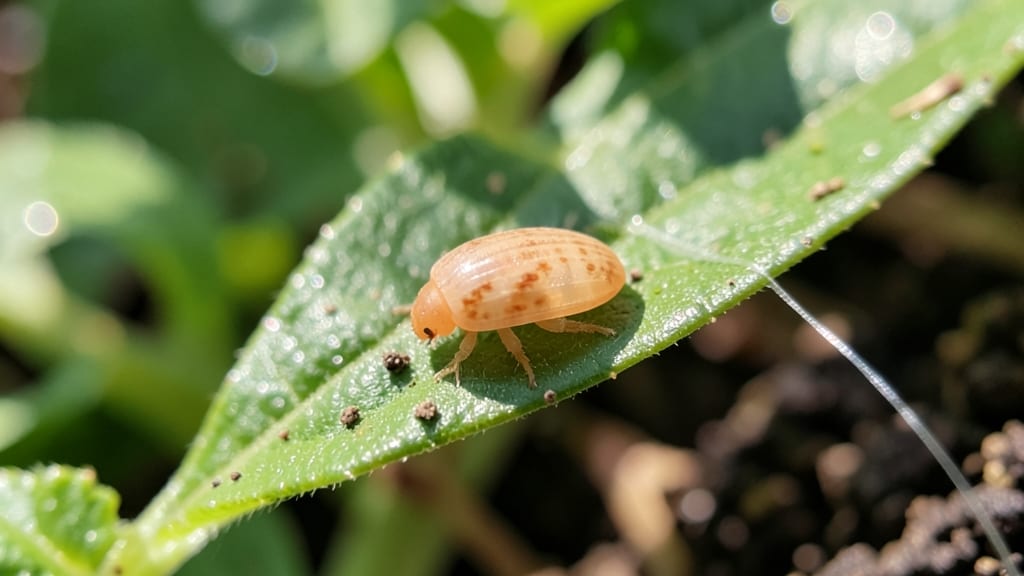
Garden slug control finally became a battle I could win when I discovered these organic barriers that stop them dead in their tracks. 🌱 The slimy invaders were wiping out my lettuce overnight, but I stopped them within days using simple, non-toxic methods that actually work—not just slow them down.
Copper tape is my top weapon—it creates an invisible electric barrier slugs refuse to cross. Add diatomaceous earth around vulnerable plants for a gritty shield, and beer traps (yes, really) lure them away from your garden.
The best part? These solutions protect your soil and pollinators while keeping your plants safe.
You’ll see results within 24-48 hours with copper tape and within a week with diatomaceous earth. My hostas and lettuce now grow without those telltale slime trails, and I haven’t used chemical slug baits in years. The key is consistency—slugs are persistent, but so are these barriers.
Works year-round, though slugs are most active after rain. For containers, wrap copper tape around the rim; for raised beds, create a 6-inch barrier of diatomaceous earth. No more waking up to destroyed plants—just healthy growth and a slug-free zone.
The Hidden Triggers Behind Slug Surges
Slugs don’t just appear out of nowhere—they’re drawn to your garden by a mix of environmental factors, plant choices, and even your watering habits. Understanding these triggers is the first step to stopping them before they turn your garden into an all-you-can-eat buffet.
Let’s break down the science behind why these slimy invaders show up in force.
Slugs are 80–90% water by weight, so they thrive in damp, humid environments. Here’s why your garden might be their personal spa:
- Overwatering or Poor Drainage Slugs seek out soil that stays soggy for hours after watering. If your garden retains moisture (like clay-heavy soil or shaded areas), you’re basically inviting them to move in. Pro tip: Water in the early morning so soil dries faster, reducing slug activity.
- High Humidity & Rainfall After heavy rain or in shady, sheltered spots, humidity spikes—perfect for slugs. They can’t survive in dry air, so they cluster where moisture lingers. Solution: Improve airflow with mulch (straw or pine needles) that dries quickly.
- Condensation from Mulch or Debris Thick layers of organic mulch (like wood chips) can trap moisture and create microclimates ideal for slugs. Fix: Use coarse mulch (like gravel or coconut coir) that allows airflow.
Not all plants are equal when it comes to slug attraction. These are the top offenders:
| Plant Type | Why Slugs Love It | Slug-Resistant Swaps |
|---|---|---|
| Tender Leafy Greens (lettuce, spinach, kale) | Soft, juicy leaves are a slug’s dream meal. | Try Swiss chard or kale varieties with fuzzy leaves. |
| Hostas & Ferns | Moist, shade-loving plants = slug paradise. | Opt for heucheras or sedum. |
| Young Seedlings | Thin stems are easy to chew through. | Use row covers or diatomaceous earth as a barrier. |
| Fruiting Plants (strawberries, tomatoes) | Ripe fruit attracts slugs for a sugar rush. | Plant slug-resistant strawberries (like 'Albion') or use copper tape. |
💡 Actionable tip: If you must grow slug favorites, harvest leaves when dry (slugs avoid crispy foliage) and remove fallen leaves daily.
Slugs are nocturnal and crepuscular (most active at dawn/dusk) because:
- Predator Avoidance: Birds and beetles hunt during the day, so slugs come out under cover of darkness.
- Temperature Preferences: They avoid temperatures above 75°F (24°C)—hence the early-morning raids.
- Moonlight Confusion: Some studies suggest slugs are less active on cloudy nights, possibly due to disrupted orientation.
🌡️ Beat them at their own game: Set up beer traps (yes, really!) or UV flashlights at dusk to spot and squish them before they feast.
Slugs need two things to survive: moisture and shelter. Common hiding spots include:
- Under Decorative Rocks or Logs: These create dark, humid microclimates. Fix: Lift rocks occasionally and store them in sunny, dry areas.
- Thick Mulch or Leaf Litter: A cozy blanket for slugs to nest in. Solution: Use gravel or straw mulch instead of dense organic layers.
- Pottery or Terracotta Pots: Slugs squeeze into tiny crevices. Prevent: Elevate pots on brick feet to block access.
✨ Pro move: Add crushed eggshells around plants—the jagged edges deter slugs from crawling over them.
Slug populations explode in spring and fall because:
- Spring: Warm soil + high humidity = slug mating season. Eggs hatch in 2–4 weeks under ideal conditions.
- Fall: Cool nights + damp leaves = perfect foraging. Slugs seek food before winter dormancy.
- Mild Winters: In regions without hard freezes, slugs survive underground and re-emerge when temps rise.
🔥 Early intervention: Apply iron phosphate baits in late winter to target overwintering slugs before they reproduce.
Slug-proof your garden naturally
Now that you know why slugs invade your garden, let’s tackle the real fix—how to keep them away without harming your plants or the planet. 🌱🚫 These solutions target the root causes (moisture, shelter, food) while using organic, fast-acting barriers that actually work.
Here’s your battle plan, broken down by problem and solution:
Slugs thrive in damp conditions, so reducing humidity is your first line of defense.
Fix:
- 🌡️ Raise Garden Beds – Elevate containers or create mounds of soil to improve drainage. Slugs avoid dry, elevated surfaces.
- ☀️ Add Mulch Strategically – Use coarse mulch (like pine straw or wood chips) instead of fine bark, which holds moisture. Keep mulch 3–4 inches away from plant stems to prevent slug highways.
- 💦 Water Wisely – Water early in the morning so soil dries by evening. Avoid overhead sprinkling, which leaves slugs slippery and happy.
Prevention Tip: 💡 Place drip irrigation near plant roots to keep leaves dry—slugs won’t crawl through dry air!
Slugs hide under debris, thick mulch, and dense foliage during the day. Starve them of shelter, and they’ll move on.
Fix:
- 🧹 Clear Debris Daily – Remove fallen leaves, cardboard, and weeds where slugs lurk. A clean garden = fewer slug hotels.
- 🪵 Install Physical Barriers – Surround vulnerable plants with:
- Copper tape (gives them a mild electric shock—they hate it!).
- Crushed eggshells or diatomaceous earth (sprinkle around bases; it’s abrasive to their slimy bodies).
- Straw or gravel barriers (1–2 inches wide) to create a dry, impassable zone.
- 🌿 Prune Strategically – Thin out dense foliage (like hostas or lettuce) to reduce hiding spots.
Pro Tip: ✨ Beer traps work—but only temporarily. Bury a shallow dish filled with beer near slug hotspots. They’ll crawl in and drown, but this is a short-term fix (not a long-term barrier).
Slugs are opportunistic eaters. Remove their buffet, and they’ll seek greener pastures (literally).
Fix:
- 🥬 Harvest Damaged Leaves – Pick off slug-chewed foliage immediately—it’s like leaving out a "Welcome" sign.
- 🌿 Choose Slug-Resistant Plants – Opt for lavender, rosemary, geraniums, or marigolds (slugs avoid their strong scents). Wrap young plants in fine mesh until established.
- 🍃 Use Natural Repellents – Spray plants with:
- Garlic or chili pepper spray (blend 1 garlic bulb + 1 tbsp cayenne + 1 quart water; strain and spray).
- Citrus or coffee grounds (sprinkle around plants—they dislike the smell).
Prevention Tip: 💪 Rotate crops if you grow edibles. Slugs learn patterns, so mix up plantings to confuse them!
Slugs are most active at dusk and night. Disrupt their routine, and they’ll lose interest.
Fix:
- 🕯️ Use Salt or Saltwater – Sprinkle rock salt in a thin line around beds (avoid overuse—it can harm soil). Alternatively, fill a shallow dish with saltwater—slugs will avoid the salty zone.
- 🐔 Introduce Predators – Encourage birds, frogs, ground beetles, and hedgehogs (they love slugs!). Install a frog-friendly pond or leave log piles for beetles.
- 🔦 Light Up the Night – Slugs dislike bright light. Place solar-powered LED lights near garden edges to deter them.
Pro Tip: ⏰ Handpick slugs at night with a flashlight and drop them in soapy water (humane but effective!). Do this for 3 nights in a row, and you’ll see a major drop in numbers.
If slugs are still winning, try pre-made organic solutions that create a physical or chemical block:
| Product | How It Works | Best For |
|---|---|---|
| Sluggo (Iron Phosphate) | Kills slugs on contact (safe for pets) | Heavy infestations |
| Copper Tape (1–2") | Gives slugs a mild shock | Perimeter defense |
| Nematodes (Phasmarhabditis) | Microscopic worms that kill slugs | Organic, long-term control |
Warning: ⚠️ Avoid metaldehyde-based slug pellets—they’re toxic to pets and wildlife. Stick to iron phosphate or organic options.
Final Thought: Slug control is a marathon, not a sprint. Combine moisture control, barriers, and predator-friendly habits, and you’ll create a garden that’s slug-proof in 2–4 weeks. 🚀 Start with one or two methods, track what works, and adjust—your plants (and sanity) will thank you!
Frequently asked questions
What’s the fastest way to stop slugs from destroying my plants overnight?
Use copper tape—it creates an invisible electric barrier slugs avoid instantly. Wrap it around containers or create a 2-inch perimeter around beds. For immediate results, combine it with diatomaceous earth (sprinkled around plants), which dehydrates them within 12-24 hours. Both work best after rain when slug activity peaks.
Are beer traps actually effective for slug control?
Beer traps work short-term but aren’t a long-term solution. Bury a shallow dish filled with beer near slug hotspots—they’ll crawl in and drown. For best results, check traps daily and replace beer every 2-3 days. Use this as a temporary fix while implementing barriers like copper tape or crushed eggshells for lasting protection.
Can I use salt to kill slugs without harming my garden?
Rock salt can kill slugs on contact, but it’s not garden-safe in large amounts. Sprinkle a thin line (1/4 inch wide) around beds—slugs will avoid crossing it. Avoid overuse near plants, as salt can alter soil chemistry. For a safer alternative, try coffee grounds or citrus peels, which repel slugs without harming soil.
Why do slugs suddenly appear after it rains?
Slugs are 80-90% water and thrive in damp conditions. After rain, soil stays moist longer, creating their ideal environment. They also emerge from hiding to feed when humidity spikes. To prevent this, water early in the morning so soil dries by evening, and use gravel mulch (not organic) to improve drainage.
What plants are slug-proof and won’t attract them?
Slugs avoid plants with strong scents or fuzzy/leathery leaves. Try lavender, rosemary, thyme, geraniums, or marigolds. For edibles, choose Swiss chard, kale with fuzzy leaves, or slug-resistant strawberries (like 'Albion'). Pair vulnerable plants with these slug-deterrents to create a natural barrier.