
Vegetables
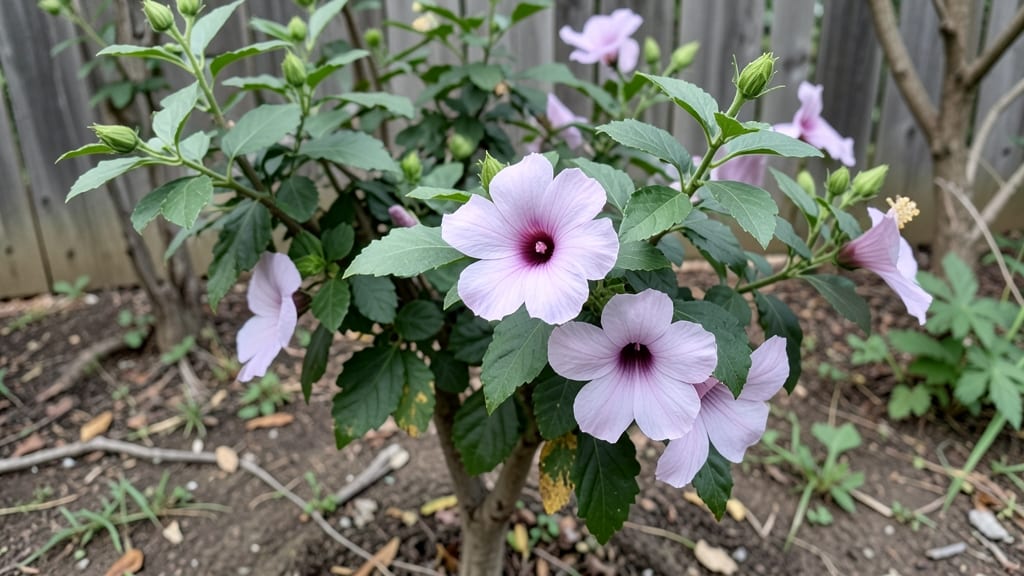
Portsmouth's gardens prove coastal charm and resilience thrive together—where salt air meets vibrant foliage. 🌿 The city’s historic estates and urban green spaces showcase how to grow thriving gardens despite the maritime climate, from wind-resistant shrubs to drought-tolerant perennials that flourish along the waterfront.
Here, gardeners blend coastal aesthetics with practical adaptations: raised beds combat sandy soil, native plants require less water, and windbreaks protect delicate blooms. The result? Lush landscapes that feel both timeless and perfectly suited to Portsmouth’s breezy, humid summers and crisp winters.
You’ll discover how to replicate these looks in your own space—whether it’s a historic home’s cottage garden or a small urban plot.
The key lies in plant selection: choose varieties that handle salt spray, like lavender or Russian sage, and structure layouts to maximize wind protection while embracing the coastal breeze.
From the manicured grounds of Strawbery Banke Museum to hidden neighborhood gardens, Portsmouth’s green spaces tell a story of adaptation and beauty. Bring that same inspiration home with climate-smart design choices that keep your garden thriving year after year.
📚 In This Guide
- What you need
- Instructions
- Tips and common mistakes
- Wrapping up and next steps
What you need
- ● Carrot seeds: 1–2 oz (about 1–2 packets) of Nantes or Danvers varieties (ideal for Portsmouth’s climate and soil).
- ● Growing space: 6–12 inches of loose, well-draining soil (avoid clay-heavy spots common in Portsmouth’s coastal areas).
- ● Option 1: 12-inch-deep raised bed (minimum 12" x 24" for a small batch).
- ● Option 2: 5–10 gallon containers with drainage holes (for balconies or patios).
- ● Compost/fertilizer: 1–2 cups of organic compost or balanced vegetable fertilizer (5-5-5 NPK ratio).
- ● Mulch: Straw or shredded leaves (1–2 inches) to retain moisture and deter weeds.
- ● Required: Hand trowel or small garden fork.
- ● Watering can or hose with a gentle spray nozzle.
- ● Measuring tape or ruler (for spacing seeds).
- ○ Optional (but helpful!): Seed starter tray (if sowing indoors first).
- ● Garden gloves (to protect hands from soil and thistles).
- ● Plant labels (to track varieties and harvest dates).
- ● Soil pH tester (aim for 6.0–7.0; Portsmouth’s soil may need lime adjustments).
- ● Sunlight: Full sun (6+ hours daily). Portsmouth’s coastal breezes? No problem—just choose a sheltered spot!
- ● Timing: Sow seeds 4–6 weeks before last frost (typically late March–early April in Portsmouth).
- ● Soil prep: Loosen soil to at least 12" deep and remove rocks (carrots need room to grow!).
How to grow a thriving coastal garden like Portsmouth's historic green spaces
Portsmouth's legendary gardens thrive on salty winds and sandy soil—here's how to replicate that coastal charm in your own yard.
🌱 Step 1: Prepare Soil with Coastal Adaptations
Portsmouth's gardens succeed because they respect the land's natural conditions. Start by amending your native sandy soil with 3 inches of compost and 1 inch of perlite to improve drainage and moisture retention. The key here is creating a loose, airy mix that mimics the natural coastal environment where plants like sea lavender and beach grass thrive.
Test your soil's pH—Portsmouth's gardens often have slightly acidic soil, so aim for a range of 6.0-6.5. If your soil tests higher, work in 1 cup of sulfur per 100 square feet and mix it in thoroughly. The reason we adjust pH is that many coastal plants prefer this slightly acidic environment, which helps prevent nutrient lockout that can stunt growth in alkaline soils.
☀️ Step 2: Select Wind-Resistant Coastal Plants
Choose plants that mirror Portsmouth's hardy coastal selections: sea oats, beach heather, and salt-tolerant grasses like Spartina. These varieties have evolved to handle the salty winds and sandy conditions that define Portsmouth's landscape. I always plant in clusters of three to create natural windbreaks that protect more delicate plants behind them.
For color accents, incorporate shrubby cinquefoil or coastal roses that can handle occasional salt spray. Position these along the windward side of your garden where they'll receive the most exposure. You'll notice these plants develop thicker stems and smaller leaves as they adapt to the coastal environment—this is actually a sign of their resilience, not distress.
💧 Step 3: Implement Smart Watering for Sandy Soil
Portsmouth's gardens rely on deep, infrequent watering that mimics natural rainfall patterns. Water your coastal plants 2-3 times per week during establishment, delivering 1-2 inches of water per session. The goal is to encourage deep root growth that can access moisture from the water table, just like native coastal plants do. I use soaker hoses buried 1 inch deep in the soil to deliver water directly to the roots without wetting the foliage.
After the first month, reduce watering to once per week unless you experience extended dry periods. The sandy soil drains quickly, so you'll need to monitor moisture levels by checking 2 inches below the surface. If it feels dry, that's your signal to water. This approach prevents shallow root systems that can't handle the coastal environment's moisture fluctuations.
✂️ Step 4: Create Natural Windbreaks and Mulch Strategically
Install a 3-foot tall living windbreak using arborvitae or Leyland cypress planted in a staggered line. These evergreens will block 70% of wind while allowing light to penetrate. Space them 3 feet apart and plant 1 foot deeper than their container to ensure stability in the potentially windy conditions. This creates a microclimate that protects your garden's center while maintaining the coastal aesthetic.
Apply 3 inches of pine straw mulch around all plants, keeping it 2 inches away from stems to prevent rot. The mulch helps retain moisture in the sandy soil while suppressing weeds that compete for nutrients. Replenish it annually in early spring—this is the moment that matters for maintaining your garden's health throughout the growing season.
🪴 Step 5: Maintain Through Seasonal Transitions
In late summer, fertilize with ½ cup of 5-10-5 fertilizer per 100 square feet to support root development before winter. Portsmouth's gardens show their resilience because they're given this late-season boost to store nutrients for the colder months. Water deeply one final time before the first frost to ensure roots have adequate moisture for dormancy.
Prune back dead or damaged growth in early spring, cutting back to healthy wood just above a leaf bud. This encourages vigorous new growth that can handle the coastal environment. I always prune on a dry, overcast day to reduce stress on the plants. You'll see new shoots emerge within 2-3 weeks—that's your signal everything is working.
Tips & tricks for perfect garden-inspired Portsmouth carrots
Creating carrots with that signature Portsmouth coastal charm takes a few thoughtful adjustments to your standard roasting technique. Here's how to elevate these sweet earthy bites to restaurant-quality status.
Soil Preparation Matters: While we're focusing on cooking these carrots, the inspiration comes from Portsmouth's legendary gardens. For best flavor, start with carrots grown in well-draining soil—just like Portsmouth's sandy coastal beds. Look for carrots with vibrant orange color and firm texture, avoiding any with green tops still attached as they can make the carrots bitter. The key is selecting carrots that have been nurtured in conditions similar to what you'd find in Portsmouth's historic green spaces.
Cutting Technique for Even Cooking: When you slice your carrots into 2-inch pieces (as specified in the recipe), make sure each piece is uniform in size. This ensures even cooking throughout—just like how Portsmouth's gardens maintain consistent growing conditions. Use a sharp chef's knife and cut them at a slight angle to maximize surface area for caramelization. I've found that angled cuts create more surface area for that perfect golden crust that mimics the sun-kissed appearance of Portsmouth's coastal plants.
Seasonal Timing for Peak Flavor: The best time to enjoy these garden-inspired carrots is during their natural growing season—late summer to early fall. This aligns with when Portsmouth's gardens are at their peak. If you're using frozen carrots, thaw them completely and pat dry before roasting to prevent steaming. The moisture content in frozen vegetables can lead to uneven cooking, just like how Portsmouth's sandy soil requires careful water management. For best results, use fresh carrots whenever possible, just as Portsmouth's gardeners rely on seasonal produce.
Equipment Upgrade: While a standard baking sheet works, I recommend using a heavy-duty sheet pan or a rimmed baking sheet with high edges to prevent any caramelized juices from escaping. This creates a self-basting effect similar to how Portsmouth's gardens retain moisture in their sandy soil. Line your pan with parchment paper for easy cleanup and to prevent sticking—just like how Portsmouth's gardeners use mulch to protect their plants.
Pro Tips for Gardens In Portsmouth
- Creating carrots with that signature Portsmouth coastal charm takes a few thoughtful adjustments to your standard roasting technique.
- Soil Preparation Matters: While we're focusing on cooking these carrots, the inspiration comes from Portsmouth's legendary gardens.
- Cutting Technique for Even Cooking: When you slice your carrots into 2-inch pieces (as specified in the recipe), make sure each piece is uniform in size.
Frequently asked questions
Got questions about growing gardens in Portsmouth—especially when it comes to carrot cultivation? You’re not alone! Here are some of the most common queries, answered for your sweet, earthy harvest.
What’s the best time to plant carrots in Portsmouth’s climate?
For Portsmouth’s mild but unpredictable coastal weather, aim to plant carrots in early spring (March–April) or late summer (August–September). Avoid frost-prone months (Dec–Feb) and hot spells (June–July), which can cause bolting or misshapen roots. Local gardeners swear by starting seeds indoors 4–6 weeks before the last frost for a head start!
How often should I water carrots in Portsmouth’s humid summers?
Consistency is key! Water 1–1.5 inches per week, but reduce to 1 inch in rainy seasons (Portsmouth’s humidity can lead to rot). Use a drip irrigation system or water in the early morning to prevent fungal issues. Mulch with straw or grass clippings to retain moisture and keep soil even. Pro tip: Overwatering is worse than underwatering—carrots need well-draining soil!
Why are my Portsmouth-grown carrots forked or stunted?
Forked or stunted carrots usually mean rocky or compacted soil—common in Portsmouth’s clay-heavy areas. Solution: Loosen soil with compost or sand before planting, and avoid planting where other root veggies grew recently. Thin seedlings to 2–3 inches apart to reduce competition. If soil is too dense, try short, round varieties like ‘Paris Market’ for better success.
Can I grow carrots in containers or raised beds in Portsmouth?
Portsmouth’s limited garden space makes containers or raised beds ideal. Use a deep container (12+ inches) with loose, sandy soil. Bush varieties (like ‘Little Finger’) work best in tight spaces. Just ensure full sun (6+ hours/day) and regular watering. Bonus: Containers warm up faster in spring, giving you an earlier harvest!
How do I protect carrots from pests in Portsmouth’s garden?
Portsmouth’s carrot flies and aphids can be pesky! Prevent pests with:
- Row covers (lightweight fabric) to block flies.
- Interplanting with onions, leeks, or rosemary (natural repellents).
- Crop rotation—don’t plant carrots in the same spot yearly.
- Handpick aphids or spray with soapy water if needed.
Wrapping up and next steps
Portsmouth’s gardens offer a flavorful twist on classic carrots, blending local charm with easy, delicious cooking! Whether you’re growing your own or sourcing from a nearby farm, this recipe proves how quick, earthy, and satisfying fresh produce can be. 🥕✨
Ready to elevate your kitchen? Start by planting a few carrot seeds in your garden—next season, you’ll have the freshest, sweetest ingredients right at your fingertips. Happy cooking (and gardening)! 🌱🍴