
Advice
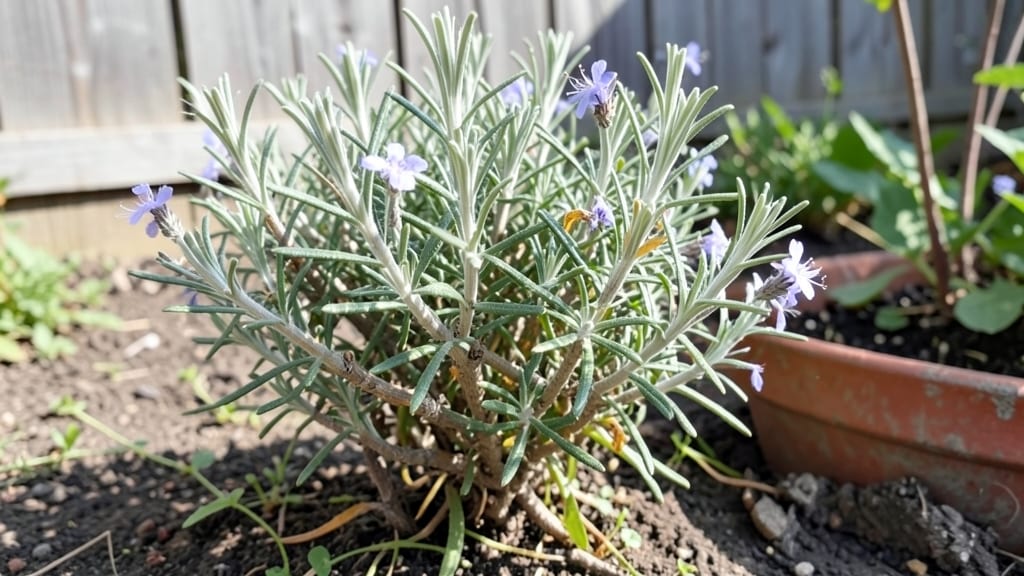
Herbs gardening is perfect for beginners because varieties like basil, mint, and parsley grow quickly in partial sun, need little attention, and provide fresh flavors all year. Fast-growing options build gardening confidence while helping avoid mistakes like overwatering or drainage issues.
Starting with herbs is one of the smartest moves for new gardeners because they deliver instant gratification. 🌱 These plants often mature in just a few weeks, so you can taste your success quickly—whether it's snipping fresh basil for pasta or mint for cocktails.
The best part? Many herbs thrive in containers, making them ideal for patios, balconies, or even kitchen windowsills where space is limited. I've found that even my busiest gardening friends succeed with herbs because they're forgiving when it comes to occasional neglect.
What really sets herbs apart is their dual role as both functional plants and decorative accents. 💛 They attract pollinators while repelling pests naturally, creating a mini ecosystem that benefits your entire garden. Plus, their aromatic leaves make them perfect for culinary experiments or homemade remedies.
The key to long-term success is choosing varieties that match your growing conditions—whether you have full sun exposure or just a shady corner—and maintaining consistent moisture without waterlogging the soil.
💡 In This Article
- Top 8 Easy-Grow Herbs for Novice Gardeners
- Container Herb Gardening Setup Guide
Top 8 easy-grow herbs for novice gardeners
Here's what makes certain herbs perfect for beginners: their rapid growth cycles and adaptability to less-than-ideal conditions. Take basil, for example—it grows from seed to harvestable leaves in just 4-6 weeks when given 6+ hours of sunlight daily.
Its upright, bushy growth habit reaches 12-24 inches tall, making it ideal for container gardening. The key to its success lies in its shallow root system, which thrives in well-draining soil and tolerates occasional dry spells better than moisture-loving herbs like cilantro.
The science behind their hardiness involves natural pest resistance mechanisms. Rosemary, for instance, contains rosmarinic acid—a compound that deters aphids and spider mites while repelling deer.
Its needle-like leaves grow in woody stems that can reach 3-5 feet tall, making it perfect for vertical gardens or as a living border. Unlike tender herbs, rosemary handles drought exceptionally well once established, with roots that extend 3-4 feet deep to access moisture.
This makes it ideal for full-sun conditions (6-8 hours daily) where water conservation is important.
Space requirements vary dramatically between varieties. Chives, with their grass-like 12-18 inch height, spread slowly via underground rhizomes, making them perfect for edging garden beds. They produce purple flowers that attract pollinators while their mild onion flavor makes them versatile in cooking.
In contrast, mint spreads aggressively through runners, requiring containers with drainage holes to prevent it from taking over your garden—its square stems grow 1-3 feet tall and spread 1-2 feet wide.
Harvest windows differ significantly too. Parsley, with its 12-18 inch height and lacy green leaves, produces edible roots and stems, while its leaves remain tender for 8-10 weeks after planting. The flat-leaf variety grows more compactly than curly parsley, making it better suited for containers.
Meanwhile, thyme produces tiny pink-purple flowers that bloom for 6-8 weeks in summer, with leaves that stay flavorful for 12+ months when cut back regularly.
Consider these growth habit comparisons when selecting your starter herbs:
- Fastest growers: Basil (4-6 weeks to harvest), cilantro (3-4 weeks), dill (5-6 weeks)
- Most compact: Chives (12-18 inches), parsley (12-18 inches), thyme (6-12 inches)
- Most drought-tolerant: Rosemary, oregano, thyme (all Mediterranean natives)
- Most aggressive spreaders: Mint (requires containment), lemon balm (similar growth habit)
The visual appeal of these herbs extends beyond their culinary uses. Lavender, with its 18-24 inch height and fragrant purple spikes, doubles as both a culinary herb and ornamental plant. Its silvery foliage and 4-inch flower spikes attract bees while repelling mosquitoes naturally.
Planting it in well-draining soil with 6+ hours of sun ensures it thrives in USDA zones 5-9, making it a perennial option for many climates.
What most beginners don't realize is how these growth characteristics translate into practical gardening strategies. For example, basil and cilantro are best grown as annuals in warm climates because they bolt (flower prematurely) in heat.
Meanwhile, rosemary and thyme become more flavorful after their first frost, making them ideal perennials for cooler regions. This timing knowledge lets you plan your herb garden to provide continuous harvests throughout the growing season. 💫