
Fertilization
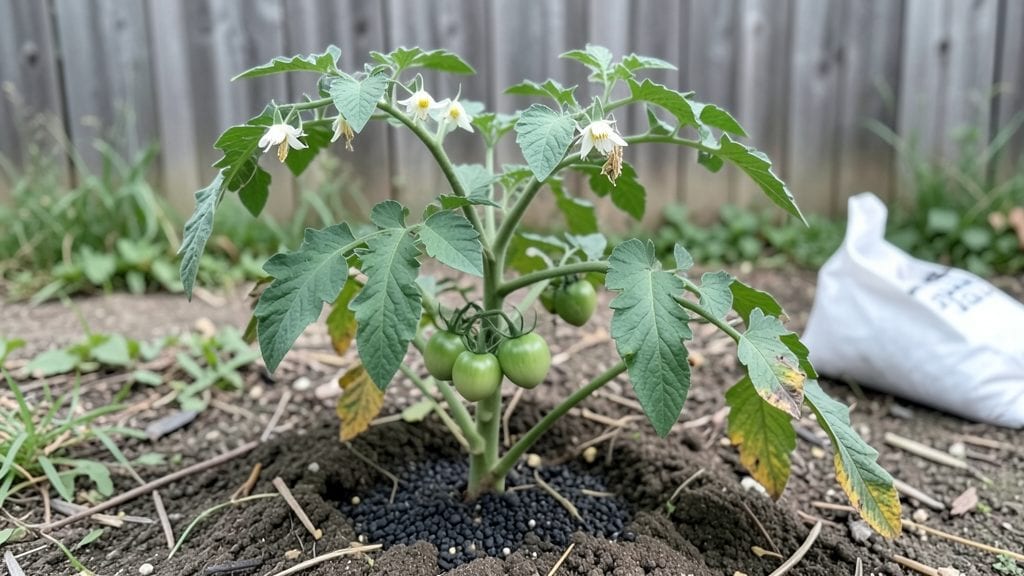
How much fertilizer for garden depends on plant type, soil quality, and season—typically 1 to 2 pounds per 100 square feet for vegetables, 0.5 to 1 pound for flowers, and light applications for lawns. Always test soil first and follow label instructions for granular or liquid formulas.
Figuring out the right amount of fertilizer for your garden isn't just about throwing down a bag of mix—it's about understanding what your plants actually need. 🌱 For instance, leafy greens like spinach thrive with a higher nitrogen ratio, while fruiting plants such as tomatoes benefit more from phosphorus.
I always recommend starting with a soil test to avoid overdoing it, since too much fertilizer can burn roots or leach into groundwater. Organic options like compost or bone meal break down slower, giving you more control over nutrient release than synthetic granules.
Season also plays a huge role: spring is prime time for most plants to soak up nutrients, while fall applications help roots harden for winter.
If you notice yellowing leaves or stunted growth, it might be a sign of either over- or under-fertilizing—adjusting the ratio or timing can make all the difference.
For lawns, I’ve found that light, frequent applications work better than heavy doses, as they prevent runoff and keep grass healthy without wasting product.
💡 In This Article
- Fertilizer Dosage Science: NPK Ratios and Plant Needs
- Step-by-Step Fertilizer Application Guide by Garden Type
Fertilizer dosage science: NPK ratios and plant needs
The three numbers on any fertilizer bag—like 10-10-10 or 5-10-5—represent the NPK ratio: nitrogen (N), phosphorus (P), and potassium (K). These elements fuel different plant functions.
Nitrogen (N) is the growth hormone for leaves and stems, phosphorus (P) drives root development and flowering, while potassium (K) regulates water uptake and disease resistance.
Leafy greens like lettuce or spinach need a higher nitrogen ratio (e.g., 3-1-2), while fruiting plants such as tomatoes or peppers thrive with more phosphorus (e.g., 1-2-1 ratio) to support flower and fruit production.
Soil pH dramatically alters how plants absorb these nutrients. Most vegetables prefer a slightly acidic to neutral pH of 6.0-7.0, but blueberries demand 4.5-5.5 to access phosphorus. When pH strays too far from ideal, nutrients become "locked" in the soil—even if you apply fertilizer.
For example, in alkaline soil (pH >7.0), phosphorus binds to calcium and becomes unavailable.
Testing your soil first reveals these hidden issues, saving you from wasting fertilizer that plants can't use. 🌱 Organic fertilizers like compost or manure release nutrients slowly, mimicking natural decomposition, while synthetic granules dissolve quickly, risking runoff if overapplied.
Over-fertilizing doesn't just waste money—it damages plants by burning roots. Excess nitrogen creates lush green leaves but weak stems that topple easily, while too much phosphorus can stunt root growth. Under-fertilizing, however, leads to stunted plants that yellow (chlorosis) from nutrient deficiency.
The key is balance: a 10-10-10 ratio for general gardens works, but adjust based on plant needs. For instance, nitrogen-loving lawns benefit from 30-0-5 in spring, while flowering annuals like marigolds need 5-10-5 to encourage blooms.
Organic vs. synthetic fertilizers offer trade-offs. Synthetic formulas provide immediate, precise nutrition but can disrupt soil microbes. Organic options like bone meal (3-15-0) or fish emulsion (5-1-1) feed soil life over time, improving long-term health.
The texture matters too: granular fertilizers spread evenly, while liquid forms absorb faster but require more frequent applications. For example, a 1-pound bag of 10-10-10 covers 100 sq ft, but in sandy soil, you'll need 20% more due to nutrient leaching.
Seasonal timing affects absorption too. Spring applications boost early growth, while fall fertilizing strengthens roots for winter. Evergreens like rhododendrons need acid-loving fertilizer (e.g., 10-6-4) in early spring, while perennials benefit from a balanced 10-10-10 in late summer.
The science here is about matching the fertilizer's release rate to the plant's growth cycle—like giving a slow-release capsule instead of a fast-acting pill. 💫
Pro tip: Mix in 1 inch of compost annually to improve soil structure and reduce fertilizer needs by up to 30%. This "soil food web" approach mimics nature, where decomposed matter gradually feeds plants without shocking their systems.
The result? Healthier roots, stronger stems, and fewer nutrient deficiencies—all while cutting down on chemical inputs.