
Size
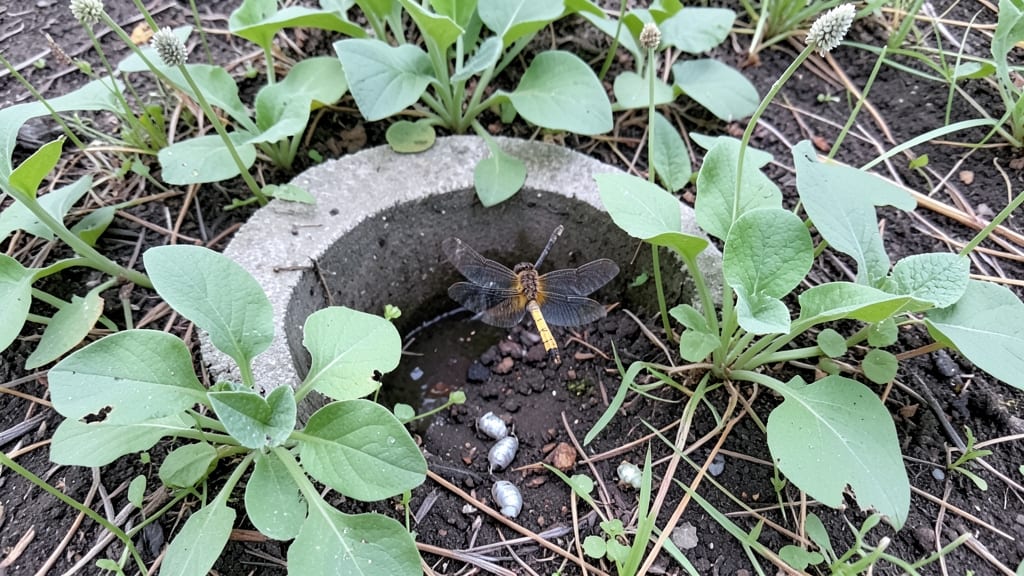
Here’s how to get dragonflies in your garden—grow a thriving oasis where they’ll dart, hover, and hunt, turning your yard into a buzzing, magical ecosystem. 🌿 The secret isn’t complicated: these insects love specific plants that provide shelter, food, and breeding spots.
You don’t need a fancy setup—just a few native perennials like bee balm, milkweed, or swamp milkweed. These plants attract dragonflies naturally by hosting their prey (like mosquitoes) and offering resting spots. Even a small container garden can work if you pick the right species for your climate.
The best part? Dragonflies are voracious predators, so they’ll keep pests like aphids and mosquitoes under control.
Within weeks, you’ll notice them patrolling your garden—those iridescent wings flashing in the sunlight. Kids will beg to watch them hunt, and your plants will stay healthier than ever.
The key is patience; it takes about a month for dragonflies to find and settle into their new habitat once the plants are established.
This works in any yard size, from urban balconies to rural fields. Start small, observe what attracts them, and expand from there. Your garden will become a living, breathing ecosystem before you know it.
📚 In This Guide
- What you need
- Instructions
- Tips and common mistakes
- Wrapping up and next steps
What you need
- ● Water source: A shallow, still pond (1–3 ft deep, 3–10 ft wide) or a small water garden feature
- ● OR a preformed pond liner (EPDM rubber, 30–60 mil thick, sized to your pond dimensions)
- ● Native dragonfly-friendly plants: 3–5 aquatic plants (e.g., Pickerelweed, Water Lilies, or Cattails)
- ● 5–10 emergent plants (e.g., Soft Rush, Blue Flag Iris, or Sweet Flag)
- ● 10+ marginal plants (e.g., Marsh Marigold, Water Forget-Me-Not, or Swamp Milkweed)
- ● Soil & substrates: Pond-specific soil or a mix of 60% sand, 30% clay, 10% organic matter (for marginal areas)
- ● Gravel or small rocks (1–2 inches) for pond edges and drainage
- ● Basic gardening tools: Garden trowel or spade
- ● Pruners (for trimming plants)
- ● Gloves (to protect your hands)
- ● A small fountain or bubbler (to add movement and attract dragonflies)
- ● Perching rocks or logs (for dragonflies to rest on)
- ● Native wildflowers (e.g., Joe-Pye Weed, Butterfly Weed, or Coneflower) nearby for nectar
- ● UV lamp or solar-powered bug light (to draw adult dragonflies at dusk)
- ● Pond dye (to prevent algae growth and keep water clear)
Step-by-Step instructions for creating a dragonfly-friendly garden
Here’s the straightforward approach I’ve used to transform my garden into a dragonfly magnet—no complicated setups, just smart plant choices and water features.
🌱 Step 1: Select Dragonfly-Favorite Plants for Your Region
Dragonflies are drawn to gardens with native plants that provide both nectar and perching spots. Focus on species like swamp milkweed, blue flag iris, or cardinal flower—these are top picks because they bloom in late summer when dragonflies are most active. I always check my local extension service for region-specific recommendations, as dragonfly preferences vary by climate.
Plant in clusters rather than scattered rows. Dragonflies patrol open spaces, so avoid overcrowding. A mix of sun-loving and shade-tolerant plants ensures your garden stays attractive throughout the day. For example, I pair bee balm (sunny spots) with joe-pye weed (partial shade)—this combo keeps dragonflies lingering for months.
💧 Step 2: Add a Shallow Water Source
Dragonflies need water to breed, but they won’t use deep ponds—they prefer shallow, still water with some vegetation. A 12-18 inch deep container filled with rainwater and a few floating plants (like duckweed or water lilies) creates the perfect habitat. I use a repurposed plastic bin with a few rocks for edges—simple, effective, and easy to clean.
Place the water feature in partial shade to prevent algae blooms, which can harm dragonfly larvae. Add a few sticks or stones to create shallow edges where dragonflies can perch. This dual-purpose setup attracts adults for nectar while providing breeding grounds for the next generation.
☀️ Step 3: Create Perching Spots and Shelter
Dragonflies rest on flat surfaces, so add horizontal branches, flat rocks, or even a small wooden platform near plants. I like to position these in sunny spots with some wind protection—they’ll become popular hangouts. Avoid smooth surfaces like glass or metal; dragonflies need rough textures to grip.
Tall grasses and dense foliage (like switchgrass or sedge) provide shelter from predators and harsh weather. These plants also mimic natural wetlands, making your garden feel like a dragonfly’s native habitat. If space is limited, even a small patch of 3-foot-tall ornamental grasses works wonders.
✂️ Step 4: Maintain a Pollinator-Friendly Environment
Dragonflies rely on other pollinators for food, so avoid pesticides entirely. If you must control pests, opt for neem oil or insecticidal soap—these are safe for dragonflies when used correctly. I also leave some "wild" areas with dandelions or clover; these provide extra nectar and attract prey insects for dragonflies to hunt.
Keep the water feature clean but don’t over-maintain. A thin layer of algae or mosquito larvae is fine—it’s part of the natural ecosystem dragonflies depend on. Empty and refill the water every 2-3 weeks during peak dragonfly season (late spring to early fall) to prevent stagnation.
⏰ Step 5: Observe and Adjust for Peak Activity
Dragonflies are most active on warm, sunny days between 10 AM and 4 PM. If you notice fewer visitors, check for these common issues: too much shade, dry water sources, or lack of perching spots. I’ve found that adding a small fan on still days encourages dragonflies to land—the gentle breeze mimics natural wind patterns.
Track which plants they favor by marking blooms with the most activity. Over time, you’ll learn which species thrive in your garden. For example, I expanded my blue flag iris beds after noticing dragonflies hovering near them daily. Small adjustments like this make a big difference in attraction.
Tips & tricks for perfect dragonfly attraction
Creating a dragonfly haven doesn't require complicated setups—just a few strategic tweaks to your garden's ecosystem. Here's what I've learned after years of watching dragonflies transform my yard into their personal paradise.
Plant Placement Matters: In Step 1, when selecting your native plants, pay special attention to their placement. Dragonflies prefer open spaces where they can patrol for prey, so arrange your bee balm and joe-pye weed in clusters with clear sightlines between them. I've found that spacing plants about 2-3 feet apart creates the perfect hunting grounds while still providing nectar-rich landing spots. Avoid planting in tight rows—this mimics their natural wetland habitats where visibility is key.
Water Feature Design: The shallow water source in Step 2 is your most critical element—don't skimp on the details. While the 12-18 inch depth is ideal, add uneven edges using rocks or driftwood. Dragonflies need varied entry points for laying eggs, so create micro-terraces with different water depths. I've noticed they particularly favor spots where water gently laps against vegetation—this mimics their natural breeding grounds. Place your container on a slight slope if possible to create natural water flow patterns.
Perch Placement Strategy: When creating perching spots in Step 3, think vertically as well as horizontally. Dragonflies use perches to rest between hunting sessions, so place your branches and rocks at varying heights—some at eye level, others near the ground. I've found that positioning perches about 1-2 feet above plant foliage creates ideal resting spots while keeping them visible to predators. Avoid placing perches directly over water sources—dragonflies prefer to rest away from potential drowning hazards.
Seasonal Adjustments: Dragonfly activity peaks between 10 AM and 4 PM as mentioned in Step 5, but their needs change throughout the year. In early spring, focus on adding early blooming native plants like blue flag iris to attract emerging dragonflies. By late summer, when most species are active, ensure your water feature is fully established. I've had success adding a small solar-powered fountain to my water container—it creates movement that attracts dragonflies while preventing stagnation without chemicals.
Pro Tips for Get Dragon Fly In Grow A Garden
- Creating a dragonfly haven doesn't require complicated setups—just a few strategic tweaks to your garden's ecosystem.
- Plant Placement Matters: In Step 1, when selecting your native plants, pay special attention to their placement.
- Water Feature Design: The shallow water source in Step 2 is your most critical element—don't skimp on the details.
Frequently asked questions
What plants attract dragonflies the most?
Dragonflies love water-friendly plants like pickerelweed, water lilies, and cattails. They also thrive near butterfly weed, milkweed, and bee balm—great for pollinators and dragonflies alike. A mix of aquatic and flowering plants ensures a welcoming habitat.
How long does it take to see dragonflies in my garden?
With the right setup, you might spot dragonflies within 2–4 weeks, especially if you already have water features. If starting from scratch, allow 3–6 months for plants to mature and attract them. Patience pays off—once established, dragonflies will return yearly!
Do I need a pond to attract dragonflies?
Not necessarily! While ponds are ideal, dragonflies also visit birdbaths, small streams, or even shallow dishes with water. Just ensure there’s standing water (they need it for breeding) and nearby vegetation for shelter. A 3–5 gallon container with rocks can work too!
Will dragonflies eat my garden pests?
Dragonflies are voracious predators of mosquitoes, flies, and even aphids. A single dragonfly can eat hundreds of pests daily. Planting their favorites (like sedge or reed grass) turns your garden into a natural pest-control powerhouse.
Do dragonflies stay year-round, or do they migrate?
Most dragonflies are seasonal, arriving in spring/summer and leaving by fall. However, some species (like green darners) migrate long distances. To keep them around longer, provide year-round water sources and winter-friendly plants like sedges that stay green.
Wrapping up and next steps
Attracting dragonflies to your garden is simpler than you think—just plant the right flowers, create water sources, and embrace a little patience! 🌿 With native species like butterfly weed and blue flag iris, you’ll soon see these dazzling pollinators darting through your space.
Start small, observe what works, and watch your garden become a thriving dragonfly haven.
Ready to take the next step? Expand your garden’s diversity by adding more native plants or even a small pond. Every little effort makes a difference—so grab your gardening gloves and get started today! 🌟