
Pests
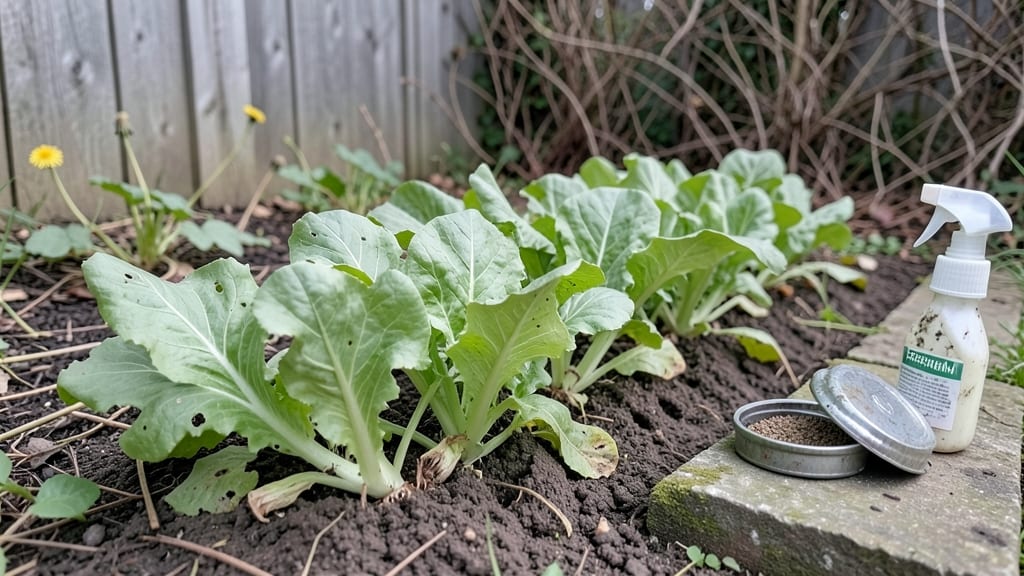
Rats in your garden are more than just a nuisance—they can decimate your hard work in days. 🌱 I’ve spent years learning how to outsmart them without harming other wildlife, and the key is removing their food, shelter, and motivation to stay.
The good news? You don’t need toxic baits or cruel traps to win this battle—just smart strategies that work.
Here’s the thing—rats thrive where humans create easy access. That means sealed compost bins, no spilled birdseed, and no hidden pet food.
I’ve even caught them in my raised beds, but a few simple changes (like storing firewood away and keeping trash cans locked) can make your garden less appealing overnight. The goal isn’t just to catch them but to make them leave for good.
What you’ll end up with is a garden where your plants grow undisturbed, your compost stays rat-free, and you never wake up to gnawed carrots again. The methods here are tried and tested, from natural repellents like peppermint oil to humane traps that don’t harm other animals.
You’ll feel proud knowing you solved the problem without cruelty.
Works for backyard gardens, raised beds, or even container setups—just adjust the tactics to your space. Let’s get started with the step-by-step plan that’s worked for me and my neighbors.
Root Causes of Garden Rats
Rats invading your garden aren’t just random visitors—they’re drawn by specific, often preventable factors. Understanding these causes is the first step to reclaiming your outdoor space. Below, we break down the key reasons rats target gardens, backed by science and actionable insights.
Rats are opportunistic omnivores, and your garden is essentially an all-you-can-eat buffet. A single rat can consume up to 15% of its body weight daily, meaning even small scraps or forgotten harvests become a feast. Here’s what attracts them:
- Unsecured compost piles: Decaying organic matter releases volatile compounds (like ammonia and volatile fatty acids) that signal food to rats’ keen sense of smell—up to 1,400 feet away.
- Fruits and vegetables left on the ground: Overripe tomatoes, fallen apples, or uneaten corn are high-calorie targets. Rats prefer soft, moist foods (like melons) over dry ones.
- Pet food or birdseed left outdoors: Commercial pet food contains high-protein grains and fats, which rats crave. Birdseed, especially sunflower seeds, is a top attractant due to its fat content.
- Garbage or recycling bins: Open or poorly sealed bins emit odors that rats detect via vomeronasal organs (a secondary smell-sensing system). A single rat can drag 20+ pounds of food back to its nest.
Pro Tip: 💡 Store compost in metal mesh bins with a tight-fitting lid, and harvest produce before it rots. Rats are nocturnal foragers, so check for fallen fruit after dusk.
Rats need three things to thrive: food, water, and shelter. Your garden likely offers two of these—now it’s just a matter of filling the third. Rats prefer:
- Dense ground cover or tall grass: Areas with 3+ inches of vegetation provide hiding spots from predators (like owls or cats) and nesting material. Rats gnaw through roots to create burrows, which can collapse garden beds over time.
- Piles of debris or wood: Stacked firewood, leaf litter, or discarded garden tools create insulated nests that retain warmth. Rats use anything fibrous—even cardboard—to line their nests.
- Structural gaps in sheds or fences: A hole as small as ½ inch wide is enough for a rat to squeeze through. They target weak points like rotting wood, loose siding, or gaps under doors.
Key Insight: Rats prefer to nest near food sources, so a shed with stored bags of grain or a compost bin next to a woodpile is a dream scenario for them.
Rats need about 2 ounces of water per day, but they’ll drink 5x more if their diet is dry (like seeds or grains). Your garden may be unknowingly providing water in these ways:
- Leaky hoses or irrigation systems: Rats are drawn to consistent moisture. A dripping faucet or broken sprinkler head can become a 24/7 water station.
- Standing water in containers: Old buckets, clogged gutters, or even birdbaths with stagnant water attract rats. They’ll drink from these and use the area to groom.
- Dehydrated soil near plants: While rats don’t drink from soil, they’ll seek out plants with high water content (like lettuce or cucumbers) to supplement their hydration.
Pro Tip: 🌡️ Eliminate standing water by tilting containers or adding mosquito dunks (which also deter rats). Check irrigation systems weekly for leaks—rats will exploit even tiny drips.
Rats are highly adaptive, and their behavior shifts with seasonal changes and environmental conditions. Here’s how your garden might inadvertently signal “move in”:
| Season | Why Rats Come | Actionable Fix |
|---|---|---|
| Spring | Warmer temps and new plant growth (like sprouting seeds) signal abundant food. Rats also seek nesting material from pruned branches. | Remove pruned debris immediately and store firewood elevated and off the ground. |
| Summer | Rats thrive in heat (they pant to cool down) and target ripe, juicy fruits. They also drink more, so water sources become critical. | Harvest before fruits overripe and cover compost piles with a rat-proof tarp. |
| Fall | Rats stockpile food for winter. They’ll bury or drag acorns, nuts, and fallen produce to cache. | Rake up fallen nuts and leaves and secure trash bins with bungee cords. |
| Winter | Food scarcity drives rats to raid gardens for stored roots (like carrots) or uneaten crops. They also chew insulation in sheds for warmth. | Apply hardware cloth over garden beds and inspect sheds for gaps. |
Critical Note: Rats are most active during twilight hours (dawn/dusk), so evening patrols with a flashlight can reveal their paths and nesting spots.
By addressing these core attractants, you’re not just reacting to a rat problem—you’re removing the invitation. The next step? Turn these insights into action with humane, effective traps and repellents.
Practical ways to evict garden rats
Now that you understand why rats are invading your garden, it’s time to take action! The good news is that you don’t need harsh chemicals or expensive traps to solve the problem—just a mix of smart strategies tailored to the root cause.
Below, we’ll break down practical, humane, and effective solutions based on the most common reasons rats show up in the first place.
Rats love hiding in tall grass, dense shrubs, and piles of leaves or wood. A cluttered garden is like an all-you-can-eat buffet with a hotel suite.
How to solve it:
- 🍳 Trim back overgrowth – Cut down tall grasses, weeds, and vines near your garden beds. Aim for a 3-foot clearance around structures like sheds, compost bins, and fences.
- 👨🍳 Clear debris regularly – Rake up leaf litter, branches, and garden waste. Store firewood at least 20 feet away from your home and garden.
- ⏰ Schedule maintenance – Set a reminder to inspect and tidy high-risk areas weekly during peak rat seasons (fall and winter).
💡 Pro Tip: If you have a compost pile, cover it tightly with a metal lid or hardware cloth. Rats dig through loose piles like they’re at a buffet!
An open trash can or spilled birdseed is like ringing the dinner bell for rats. They’ll keep coming back as long as food is easy to find.
How to solve it:
- 🔪 Use rat-proof trash bins – Switch to metal or heavy-duty plastic bins with tight-fitting lids. Avoid plastic bins with weak seals.
- 🌡️ Store pet food indoors – If you feed birds or pets outside, use a metal feeder and clean up spilled seeds immediately.
- 🎯 Keep compost bins sealed – If rats are getting into your compost, bury food scraps deeper or use a locked compost tumbler.
- ✨ Avoid leaving fruit or veggies out – Harvest ripe produce promptly and store leftovers in sealed containers.
💡 Pro Tip: Sprinkle coarse salt or cayenne pepper around trash areas—rats dislike the taste and will avoid it!
Rats can squeeze through gaps as small as half an inch—so if they’re getting in, there’s likely an easy access point.
How to solve it:
- 🔧 Inspect your home and shed – Check for holes in foundations, vents, or gaps around pipes. Use steel wool and caulk to seal tiny openings.
- 🏠 Install door sweeps – Rats can slip under doors. A metal door sweep makes it nearly impossible for them to enter.
- 🌿 Cover vents with hardware cloth – If rats are coming through attic or basement vents, cover them with ¼-inch mesh wire.
- 🛠️ Check for gaps in fences – Rats can climb! Repair holes in fences and add an outward-facing metal flashing to deter climbers.
💡 Pro Tip: Mint, peppermint oil, or ammonia-soaked rags placed near entry points can discourage rats from investigating further.
If you prefer chemical-free solutions, natural repellents can help deter rats without harming your garden or pets.
How to solve it:
- 🌿 Plant rat-resistant herbs – Rats dislike mint, lavender, rosemary, and marigolds. Plant these near garden edges.
- 🍋 Spray peppermint or citronella oil – Mix 2 tbsp of oil with 1 gallon of water and spray around entry points, compost piles, and trash areas.
- 🥔 Use predator urine (safely!) – Fox or coyote urine (available at garden stores) can scare rats away. Reapply every few days.
- 🧂 Spread coarse salt or chili powder – Rats avoid spicy or salty textures. Sprinkle lightly near problem areas.
⚠️ Warning: Avoid poison baits—they can harm pets, wildlife, and even children. Stick to humane traps and repellents for safety.
If rats are already nesting in your garden, live traps are the most effective way to catch and relocate them.
How to solve it:
- 🔥 Choose the right trap – Victor or Havahart traps work best. Place them along walls or fences where rats travel.
- 🍳 Bait with something irresistible – Use peanut butter, chocolate, or dried fruit (avoid meat—it can attract predators).
- 👨🍳 Check traps daily – If a rat is caught, relocate it at least 2 miles away in a wooded area (check local laws first!).
- ⏰ Set multiple traps – Rats are smart. If one trap fails, place 3-5 traps in different high-traffic areas.
💡 Pro Tip: Pre-bait traps for 2-3 days without setting them to get rats used to the bait before trapping.
Once you’ve evicted the rats, keep them from coming back with these low-effort habits:
- 🌡️ Keep your garden tidy year-round – Rats return to familiar, food-rich areas.
- 🎯 Store firewood and tools properly – Piles of wood or garden tools create hiding spots.
- 🏡 Inspect for new entry points seasonally – Rats can find new ways in as your home settles.
- 🌿 Consider ultrasonic repellents – Devices like Neatmaster or Rat-Rid emit high-frequency sounds that deter rats (results vary, but some gardeners swear by them).
By combining habitat modification, food security, and humane trapping, you’ll not only get rid of rats fast but also keep them from returning. The key is consistency—rats are persistent, but so can you be! 🚀
Frequently asked questions
What’s the fastest way to tell if rats are in my garden?
Look for chewed plants, gnaw marks on wood or plastic, or droppings (about ½ inch long) near food sources. Listen for scratching or scurrying at night—rats are most active during twilight hours. Check for fresh burrows with 3-4 inch openings near fences or sheds.
Can I use peppermint oil to keep rats away long-term?
Peppermint oil is effective for short-term deterrence (2-4 weeks), but rats adapt quickly. Reapply every 3-5 days around entry points, compost piles, and trash areas. For lasting protection, combine it with habitat changes like sealing food sources and removing hiding spots. Mix 2 tbsp oil with 1 gallon of water for a spray solution.
Are humane traps cruel to rats?
No—humane traps (like Victor or Havahart) catch rats alive without harm. The key is checking traps daily to avoid stress. Relocate caught rats at least 2 miles away in wooded areas (check local laws first). These traps are safer for pets and wildlife than poison or snap traps.
Will cats keep rats out of my garden?
Cats can help, but they’re not a reliable solution—rats are nocturnal and may still raid your garden when cats sleep. For better results, combine a cat with physical barriers (like hardware cloth) and food removal. Outdoor cats may also attract rats if they leave uneaten food.
How do I know if rats are nesting in my garden shed?
Watch for shredded paper, fabric, or insulation in corners, greasy rub marks along walls, and fresh droppings. Listen for scraping or squeaking at night. Rats prefer dark, secluded spots—check under shelves, behind tools, and in stacked materials. Seal gaps with steel wool and caulk to block access.