
Pests
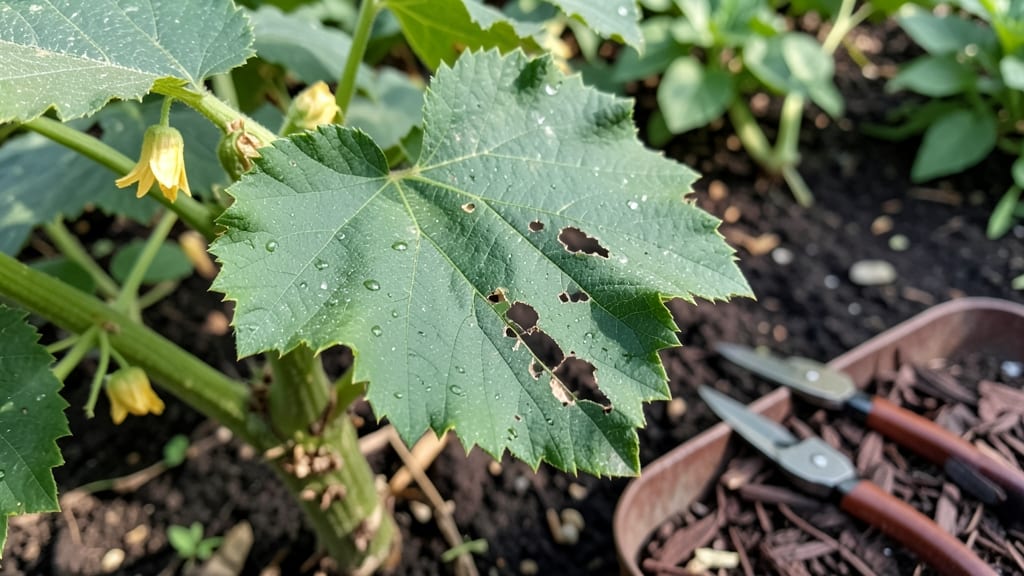
My squirrel damage garden turned my prize-winning tomato plants into a buffet—until I finally cracked the humane code: traps that catch without harm, barriers that outsmart their agility, and tricks to save my harvest. 🌱 to make your garden less appealing than the oak tree across the street.
The key is understanding their behavior: squirrels don’t just raid for food—they’re territorial and opportunistic. A few hot peppers scattered around the base of your compost bin or a sprinkle of cayenne on vulnerable plants sends them scurrying.
Physical barriers like hardware cloth wrapped around raised beds or chicken wire over young trees work better than you’d think, especially when paired with motion-activated sprinklers that startle them without harm.
By combining these methods, you’ll protect your garden without turning it into a warzone. Imagine harvesting tomatoes that stay on the vine, bulbs that sprout instead of disappearing overnight, and bird feeders that squirrels ignore.
The best part? These solutions work year-round, from spring planting to winter storage, and keep your ecosystem balanced—no traps, no poison, just clever deterrents.
For stubborn cases or large properties, professional help can design a customized plan, but most gardeners solve 90% of the problem with what’s in their shed or a quick trip to the hardware store. Here’s how to start protecting what you’ve grown—without driving the squirrels to your neighbor’s yard.
The Hidden Triggers Behind Garden Raids
Squirrels don’t just randomly wreak havoc in your garden—they’re driven by a mix of instinct, survival needs, and environmental cues. Understanding these causes is the first step to outsmarting them without harming these clever critters. Let’s break down the science behind their behavior.
Squirrels are opportunistic omnivores, meaning they’ll eat almost anything—especially when natural food sources dwindle.
In late summer and fall, acorns, nuts, and seeds become scarce, prompting squirrels to raid gardens for: - Fresh produce (tomatoes, peppers, berries—high in sugar and water) - Stored seeds (from seed packets or newly planted bulbs) - Birdseed (a protein-rich, easy snack) - Pet food (left outdoors, like dog or cat kibble)
Why it matters: A squirrel’s metabolism demands high-energy foods to survive winter. If your garden offers an easy buffet, they’ll return daily—often digging up plants or gnawing bark to access hidden treats.
Actionable insight: 💡 Remove easy access points—secure trash cans, store birdseed in metal containers, and harvest ripe fruits before squirrels spot them.
Squirrels are nest builders, and your garden might unknowingly provide the perfect materials. They target:
- Soft soil or mulch (for digging burrows or lining nests)
- Bark or wood chips (to shred into nesting material)
- Insulation (stripped from young trees or garden structures)
The science: Female squirrels prepare dreys (nests) in early spring, while males may dig temporary burrows. If your garden has loose soil, young trees, or piles of wood, they’ll see it as a construction site.
Actionable insight: ✨ Mulch tightly with gravel or hardware cloth to deter digging, and wrap tree trunks with tree guards to prevent bark stripping.
Squirrels are highly territorial and will investigate anything new in their range. If they spot:
- Unfamiliar plants (especially those with high moisture content, like lettuce or herbs)
- Shiny objects (reflective surfaces like garden decor or tools)
- Other animals’ food sources (e.g., bird feeders you’ve recently filled)
Why it happens: Their curiosity and exploratory behavior are hardwired for survival. A squirrel that ignores a potential food source risks missing out when resources are tight.
Actionable insight: 🎯 Place decoys (fake owls or snakes) near problem areas—squirrels avoid perceived predators. Also, harvest crops at dusk when they’re less active.
Squirrels adjust their behavior with the seasons:
- Spring/Summer: Focus on protein-rich foods (bugs, bird eggs, tender shoots).
- Fall/Winter: Shift to high-carb stashes (acorns, bulbs, garden veggies).
- Early Spring: Nesting mode—they’ll strip bark or dig for insulation.
The data: Studies show squirrel activity peaks 2–3 hours before dawn and after dusk—their natural foraging windows.
Actionable insight: ⏰ Time your garden maintenance (pruning, harvesting) for midday when squirrels nap. Use motion-activated lights to startle them away from high-risk zones.
Ironically, well-meaning gardening practices can invite squirrels:
- Overwatering (soft soil = easier digging; moist veggies = tastier snacks).
- Leaving fallen fruit (even a single apple can signal a food bonanza).
- Planting squirrel favorites (sunflowers, corn, grapes—without protective barriers).
The psychology: Squirrels learn quickly. If they find one successful raid, they’ll return—often bringing siblings or neighbors.
Actionable insight: 🚫 Avoid planting monocultures (single crops in large patches). Instead, opt for intercropping (mixing plants with unappealing foliage, like marigolds, to confuse them).*
Practical ways to protect your garden
Squirrels may be adorable, but their digging, chewing, and foraging can turn your garden into a battleground. The good news? With the right strategies, you can deter them without harm while keeping your plants safe.
Below, we’ve mapped out targeted solutions based on the most common causes of squirrel damage—plus prevention tips to keep them out long-term.
Squirrels love munching on tender shoots, tulip bulbs, and even young vegetables. Here’s how to outsmart their snacking habits:
🔥 Use Physical Barriers (Best for Bulbs & Seedlings)
- Chicken wire or hardware cloth: Bury a 12-inch deep mesh around vulnerable plants (like tulips or dahlias) to block digging.
Bend the top edges outward to deter chewing. - Tree guards: Wrap young trees or shrubs in metal tree collars (available at garden centers) to prevent bark stripping. - Row covers: Lightweight fabric over seedling beds keeps squirrels from reaching tender greens.
🍳 Repellent Sprays (Non-Toxic & Effective)
Mix hot pepper sauce + water + a drop of dish soap in a spray bottle. Reapply every 3–5 days after rain. Squirrels hate the smell and will avoid treated areas.
👨🍳 Scare Tactics (Quick & Temporary Fix)
- Reflective objects: Hang old CDs, aluminum pie pans, or wind chimes near problem areas. The movement and shine startle them away.
- Motion-activated sprinklers: Devices like the ScareCrow spray a burst of water when squirrels approach—harmless but effective!
Squirrels tunnel under mulch, dig up lawns, and nest in garden structures. Starve their instincts with these fixes:
🔪 Remove Food Sources & Hiding Spots
- Secure trash cans: Use bungee cords or locks to keep lids shut.
Squirrels are opportunistic—if they smell food, they’ll raid your garden next. - Clean up fallen fruit/nuts: Rake up dropped acorns, walnuts, or overripe fruit from trees. No food = less interest. - Seal entry points: Check sheds, compost bins, and under deck boards for gaps. Steel wool + caulk makes a great temporary plug.
🌡️ Mulch Alternatives (Squirrel-Proof Layering)
Instead of loose mulch (which invites digging), try:
- Gravel or pebbles: Hard to dig through and unappealing for squirrels.
- Cardboard + landscape fabric: Lay double-layered cardboard (ink-side down) under mulch to create a dig-proof barrier.
Prevention is key! Implement these low-effort, high-impact strategies to keep squirrels out for good:
💡 Plant Squirrel-Confusing Gardens
Squirrels hate certain smells and textures. Interplant with:
- Daffodils, hyacinths, or alliums (toxic to squirrels).
- Mint, garlic, or rosemary (strong scents repel them).
- Thorny plants like pyracantha or barberry around borders.
🌿 Strategic Landscaping
- Prune low-hanging branches: Squirrels use trees as highways to access your garden. Trim branches 6+ feet from the ground.
- Add a "squirrel buffer zone": Plant a dense hedge or tall grasses (like sunflowers) 10 feet away from your garden.
This creates a natural barrier they’re less likely to cross.
✨ Humane Traps (Last Resort)
If squirrels are persistent, use live traps (like the Havahart model) to relocate them legally. Never use poison—it’s inhumane and can harm pets/wildlife.
- Bait with: Peanut butter, nuts, or fresh fruit.
- Release them: At least 5 miles away in a wooded area (check local laws first!).
- Rotate repellents: Squirrels get used to smells. Switch sprays or scare tactics every few weeks. - Inspect at dawn/dusk: That’s when squirrels are most active. Spot their paths and reinforce weak spots. - Keep bird feeders away: Squirrels target gardens when feeders run out.
Place feeders far from plants or use squirrel-proof feeders.
By combining barriers, repellents, and smart landscaping, you can save your garden without harming these clever critters. Test one or two methods this season, and watch the damage disappear—naturally! 🌿🐿️
Frequently asked questions
What are the most common signs of squirrel damage in my garden?
Look for unearthed bulbs, gnawed tree bark, or chewed plants—especially around tomatoes, peppers, and berries. Digging holes in mulch or lawns reveal buried nests, while scattered seed packets signal they’ve raided your planting area. Check for shredded leaves or half-eaten fruit as well.
Are squirrel repellent sprays safe for plants and pets?
Most hot pepper-based sprays or garlic repellents are pet-safe when used as directed, but always test a small area first. Avoid commercial rodenticides—these can harm pets, wildlife, and even contaminate soil. Opt for natural alternatives like cayenne pepper or predator urine (available at garden stores).
How deep should I bury hardware cloth to stop squirrels from digging?
For maximum protection, bury hardware cloth at least 12 inches deep around vulnerable plants like tulips or dahlias. Bend the top edges outward to prevent squirrels from chewing through. This blocks their access to buried bulbs and roots while keeping them from tunneling underneath.
Will motion-activated sprinklers really work against squirrels?
Devices like the ScareCrow spray a harmless burst of water when squirrels approach, startling them without harm. For best results, place units near high-traffic areas (like compost bins or raised beds) and reposition them every few weeks to keep squirrels guessing.
Can I relocate a squirrel myself, or should I call a professional?
You can use humane live traps (like Havahart models) to relocate squirrels, but check local laws first—some areas require permits. Release them at least 5 miles away in a wooded area at dawn or dusk. For persistent infestations, a wildlife professional can assess risks and provide tailored solutions.