
Tools
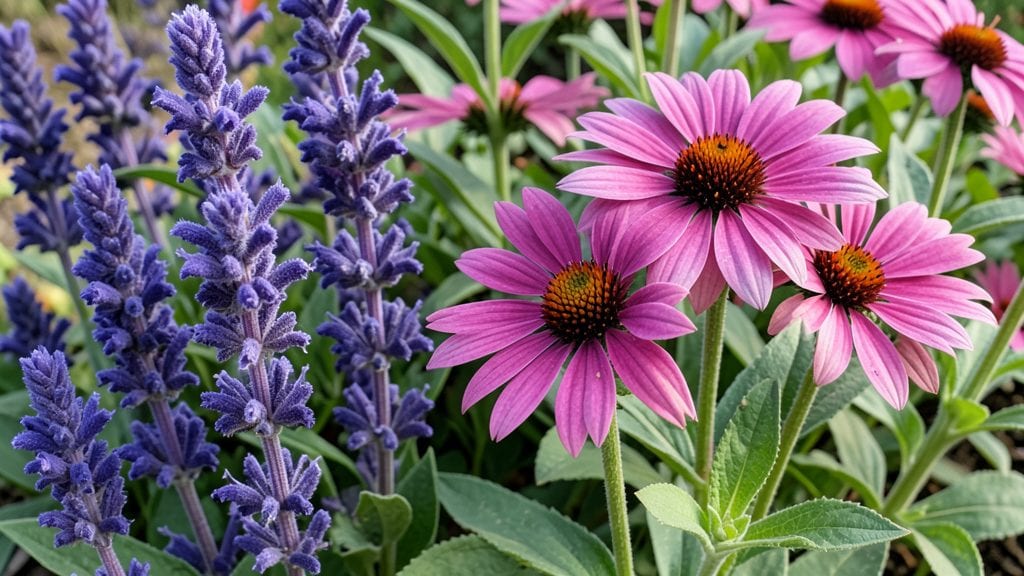
Building an insect hotel garden transforms your yard into a buzzing, thriving ecosystem that keeps pollinators happy all year round. 🌿 I’ve seen how a simple structure can turn a quiet corner into a wildlife hotspot, with bees, butterflies, and beneficial insects visiting even in winter.
The best part? It’s not just functional—it’s a charming addition that blends seamlessly into any garden design.
You’ll need just a few supplies: untreated wood, bamboo canes, pinecones, hollow stems, and some natural fillers like straw or dried leaves. The construction takes about an hour, and the results are immediate—watch as bees and solitary wasps start exploring within days.
This isn’t just another garden feature; it’s a lifeline for struggling pollinator populations.
By summer, your insect hotel will be a hub of activity, with bees collecting nectar and butterflies flitting between stems. The aesthetic? Rustic, organic, and effortlessly beautiful—like a tiny woodland retreat tucked into your garden. Plus, it reduces the need for pesticides by attracting natural pest controllers.
Works in any climate, from urban balconies to rural backyards. The key is placement: partial shade and protection from heavy rain keep it functional for years. Let’s build one that becomes the heart of your garden’s ecosystem!
📚 In This Guide
- What you need
- Instructions
- Tips and common mistakes
- Wrapping up and next steps
What you need
- ● Wooden or bamboo structure: A pre-built insect hotel (or materials to build one, like untreated wood, bamboo canes, or hollow stems). Size: At least 12" x 12" x 18" (H x W x L).
- ● Natural nesting materials: Dried straw or reeds (10-15 bundles)
- ● Small pinecones (5-10)
- ● Bamboo tubes or hollow stems (10-15, 3-6" long)
- ● Coconut fibers or bark (for soft nesting)
- ● Untreated wood shavings (1-2 cups)
- ● Waterproofing layer: Roofing felt, corrugated plastic, or a wooden lid to shield from rain.
- ○ Non-toxic adhesive (optional, for securing loose materials).
- ● Basic tools: Hammer or nails/screws (if assembling from scratch)
- ● Drill or saw (if cutting materials)
- ● Measuring tape
- ● Location: A shady, sheltered spot in your garden (e.g., under a tree or eave).
- ● Safety gear: Gloves (to handle sharp or splintery materials) and safety goggles (if drilling/sawing).
- ● Decorative touches: Paint (non-toxic, water-based) for a pop of color.
- ● Signage: A small plaque labeling your insect hotel as a "pollinator paradise."
- ● Additional habitats: Leaf litter, small rocks, or a shallow water dish nearby.
Step-by-Step instructions for building your insect hotel garden
Here’s the hands-on method I’ve used to create thriving habitats that bring bees, ladybugs, and lacewings back to the garden.
🪴 Step 1: Choose and Prepare Your Shelter Location
Select a spot with partial shade—morning sun and afternoon shade protect residents from overheating while keeping them visible to pollinators. I avoid direct afternoon sun, which can turn the structure into an oven. Mount your shelter on a wooden post, fence, or sturdy wall using screws or brackets, ensuring it’s 1–3 feet off the ground for protection from ground predators.
If using a pre-made frame, secure it with galvanized screws (rust-free) and add a small overhang or roof to shield from heavy rain. The goal is shelter that stays dry but remains breathable—no plastic or sealed materials. I like to angle the structure slightly toward the south to catch gentle morning sunlight without baking the interior.
🌿 Step 2: Layer Natural Materials for Habitat Diversity
Fill the structure with bamboo canes (cut to 4–6 inch lengths) for solitary bees—these create perfect nesting tunnels. Add pinecones, hollow stems, and rolled bark for ladybugs and lacewings, which prefer crevices and textured surfaces. I always include untreated wood shavings (like cedar) for insulation and dried grasses to mimic natural nesting materials.
Leave gaps and varying textures—no two materials should touch perfectly. For example, stack pinecones with their bases down to create air pockets, and tuck driftwood into corners for beetles. Avoid treated wood or plastic; these can harm insects and deter wildlife. The more diversity in textures and sizes, the more species your hotel will attract.
💧 Step 3: Add Water and Food Sources
Place a shallow water dish (like a small saucer) near the hotel, filled with pebbles and fresh water. Insects need hydration but can drown in standing water—pebbles provide safe landing spots. Refresh the water every 2–3 days to prevent stagnation. I also add a small platform of moistened sand inside the structure for species like digger wasps, which require damp conditions to lay eggs.
For food, include dried flower heads (like lavender or yarrow) tucked into crevices. These provide nectar and pollen for adult insects. Avoid pesticides or fertilizers near the hotel—even residual chemicals can harm residents. If your garden lacks flowering plants, a small potted herb like thyme placed nearby offers quick nutrition for visitors.
⏰ Step 4: Monitor and Maintain Seasonally
Check your insect hotel weekly in spring and fall, removing debris but leaving intact nests. In late summer, you might see bee cocoons or ladybug pupae—these are signs of success! Gently brush away dead leaves or spiderwebs without disturbing active nests. I’ve found that spring is the busiest time for activity, so plan to add fresh materials then.
By winter, many insects will have moved deeper into the structure, so avoid cleaning until early spring. If you notice mold, replace damp materials immediately—fungus can harm developing larvae. A well-maintained hotel will show signs of life within 4–6 weeks of setup, with bees and beneficial insects becoming regular visitors.
☀️ Step 5: Enhance with Surrounding Plants
Plant native wildflowers (like milkweed or coneflower) within 10–15 feet of your hotel to attract pollinators. These plants provide continuous nectar and pollen, encouraging insects to return. I also include host plants like dill or parsley for caterpillars, which attract predatory insects that keep pests in check.
Avoid monocultures—mix perennials, annuals, and shrubs to extend the blooming season. For example, spring bulbs (like crocus) feed early pollinators, while fall-blooming asters support late-season bees. The more varied the flora, the more diverse the insect population in your hotel.
Tips & tricks for building a thriving insect hotel garden
Creating an effective insect habitat isn't just about throwing together some materials—it's about understanding the specific needs of your tiny tenants. Here's what I've learned after watching my own gardens transform from empty structures to buzzing ecosystems.
Location Strategy: In Step 1, when choosing your spot, remember that morning sun and afternoon shade isn't just about temperature—it's about creating a microclimate that mimics natural forest edges. I've found that positioning your hotel near a south-facing wall captures just enough warmth for early morning activity while avoiding the afternoon heat that would otherwise cook any resident insects. The 1-3 feet height recommendation isn't arbitrary either—it's the perfect balance to keep ground predators out while remaining accessible to flying visitors.
Material Selection Insight: For Step 2, the 4-6 inch length for bamboo canes creates ideal nesting tunnels for solitary bees, but here's the secret: the inner diameter matters most. Look for canes with openings around 1/4 inch—this size attracts leafcutter bees while deterring larger wasps. When working with pinecones, I always remove any old nests from previous years (you'll find them looking like tiny paper tubes) before adding fresh ones. This prevents competition between current and future residents.
Water Source Innovation: The pebble water dish in Step 3 is brilliant, but here's how to make it even more effective: add a few small twigs or dried leaves to the water's edge. These create natural landing platforms that prevent insects from falling in completely. I've also noticed that adding a tiny pinch of honey to the water (just a drop) attracts more bees—it's like offering a welcome drink with a little extra incentive. Just refresh it every 2-3 days as instructed to prevent any bacterial growth.
Seasonal Maintenance Secret: That 4-6 week timeline in Step 4 for seeing signs of life is actually quite optimistic for cooler climates. In my zone 5 garden, I typically wait until late May before seeing consistent activity. The key is patience—don't be tempted to add fresh materials before early spring, even if your hotel looks empty. Many beneficial insects overwinter in these structures, and disturbing them too early can reduce your population. When you do see those bee cocoons in late summer, resist the urge to move them—leave them be until spring when they'll emerge as adult bees.
Pro Tips for Insect Hotel Garden
- Creating an effective insect habitat isn't just about throwing together some materials—it's about understanding the specific needs of your tiny tenants.
- Location Strategy: In Step 1, when choosing your spot, remember that morning sun and afternoon shade isn't just about temperature—it's about creating a microclimate that mimics natural forest edges.
- Material Selection Insight: For Step 2, the 4-6 inch length for bamboo canes creates ideal nesting tunnels for solitary bees, but here's the secret: the inner diameter matters most.
Frequently asked questions
Got questions about creating or maintaining your insect hotel garden? You’re not alone! Here are answers to the most common queries to help you build a thriving haven for pollinators and wildlife—without the guesswork.
When is the best time to set up an insect hotel?
The ideal time is late spring or early summer (May–June in most U.S. regions), when temperatures are mild and native insects are actively seeking shelter. However, you can assemble it year-round—just avoid extreme heat or freezing conditions. Pro tip: If building in winter, use dry materials and place it in a sheltered spot until spring!
How do I know if my insect hotel is working?
A successful insect hotel will show signs of activity:
- Visible occupants: Look for bees, solitary wasps, lacewings, or ladybugs entering/exiting tubes or chambers.
- Fresh chew marks: Sawdust or wood shavings near the entrance indicate wood-nesting insects are at work.
- Seasonal turnover: Residents may "move out" in late fall—this is normal! Leave it up year-round for returning guests.
Can I use natural materials like pinecones or bamboo?
Pinecones, hollow stems, and bamboo
are fantastic for sheltering insects like mason bees and lacewings. Just ensure they’re untreated and free of pesticides. For a rustic look, bundle them with twine or secure them in a wooden frame. Combine materials for variety—different insects prefer different textures!
What should I avoid to prevent pests or mold?
Steer clear of these common pitfalls:
- Plastic or sealed containers: Insects need breathable spaces—opt for wood, bamboo, or untreated plant materials.
- Moisture traps: Avoid placing your hotel in shaded, damp areas. Elevate it slightly (e.g., on bricks) and use a small drainage hole if needed.
- Chemical treatments: Never use paint, varnish, or pesticides on materials—it’s toxic to your guests!
Will an insect hotel attract unwanted critters like spiders or ants?
Some spiders and ants may visit, but they’re not pests—they’re part of the ecosystem! To minimize overcrowding:
- Use fine mesh on larger openings to deter ants.
- Add cork bark or moss to deter aggressive ants from climbing.
- Position the hotel away from anthills or dense vegetation.
Wrapping up and next steps
Creating an insect hotel garden is a simple yet powerful way to support local ecosystems while adding beauty and life to your space! 🌿 With just a few materials and a little creativity, you can transform your yard into a thriving haven for pollinators, beneficial insects, and wildlife.
The best part? Every small effort makes a big difference for nature—and it’s fun to watch your little ecosystem come to life.
Ready to take the next step? Start small: Dedicate a corner of your garden or balcony to your insect hotel this weekend. Need inspiration? Browse local native plants or repurpose old materials like bamboo or pinecones. Your garden—and the critters that visit—will thank you! 🐝✨