
Size
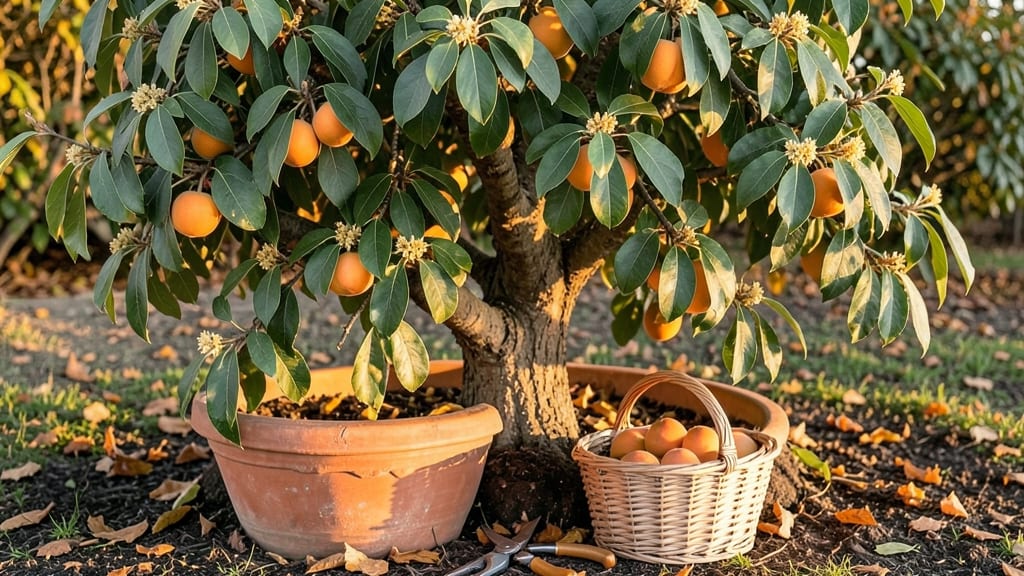
Growing loquat fruit in your garden means sweet, tropical-tasting treats that ripen from late winter through spring—something I never thought possible in my Zone 7 backyard until I tried it. 🌱 The key isn’t just picking the right tree; it’s understanding how these subtropical darlings thrive when given the right balance of sun, shelter, and soil.
You’ll need a young tree (bare-root or potted), well-draining soil mixed with compost, and a spot that gets full sun but stays protected from harsh winds. Loquats love heat but hate soggy roots, so raised beds or mounded soil work wonders if your climate gets wet winters.
Most nurseries carry dwarf varieties perfect for home gardens—just check the tag for cold tolerance.
By late summer, you’ll see clusters of fragrant white flowers that turn into glossy orange fruit by winter. The flavor? A mix of peach, apricot, and citrus—so good you’ll want to plant three trees.
Pruning in early spring keeps the shape manageable, and a light layer of mulch preserves moisture while keeping roots cool.
Here’s the secret: Loquats ripen unevenly, so check trees every 3-4 days starting in December. The first batch might be small, but with proper care, you’ll harvest enough to share with neighbors—or freeze for summer smoothies. Even in colder zones, a little winter protection makes this tree a year-round winner.
📚 In This Guide
- What you need
- Instructions
- Tips and common mistakes
- Wrapping up and next steps
What you need
- ● Loquat Tree: 1-2 dwarf or semi-dwarf loquat saplings (6–12 months old) from a nursery. Popular varieties include ‘Big Jim,’ ‘Champagne,’ or ‘Golden Nugget.’
- ● OR loquat seeds (if starting from scratch—note: seed-grown trees may take 5+ years to bear fruit).
- ● Soil: 5–10 bags of well-draining, slightly acidic soil (pH 5.5–6.5). Mix in compost (1 part compost to 3 parts soil) for nutrients.
- ● Fertilizer: 1 lb balanced 10-10-10 fertilizer (for planting) + 1 lb citrus-specific fertilizer (high in nitrogen, phosphorus, and potassium).
- ○ Optional: Slow-release osmocote granules for year-round feeding.
- ● Mulch: 2–3 cubic feet of organic mulch (straw, wood chips, or pine bark) to retain moisture and regulate soil temp.
- ● Planting: 1 hand trowel or garden spade (for digging holes 12–18" wide/deep).
- ● 1 pruning shears (sterilized with rubbing alcohol).
- ○ 1 grafting tool (if grafting—optional but speeds up fruiting).
- ● Watering: 1 hose with adjustable nozzle or drip irrigation kit (loquats need 1–2 inches of water/week).
- ○ Optional: soaker hose to reduce evaporation.
- ● Support: 1–2 stakes or bamboo poles (4–6 ft tall) + soft garden twine (to train young trees).
- ● Climate: Loquats thrive in USDA Zones 7–10. Choose a spot with full sun (6+ hours/day) and protection from strong winds.
- ● Space: Dwarf varieties need 8–10 ft of space; standard trees require 15–20 ft.
- ● Pollination: Loquats are self-pollinating, but planting 2+ trees improves fruit yield.
- ● Patience: Saplings take 2–3 years to bear fruit; grafted trees may fruit in 1–2 years.
Step-by-step instructions for planting and caring for loquat trees
Here's how to establish a thriving loquat tree that rewards you with fruit for decades.
🌱 Step 1: Choose the Right Location and Prepare the Soil
Loquats thrive in full sun to partial shade, with at least 6-8 hours of sunlight daily. Pick a spot where they'll receive morning sun and afternoon shade if you live in a hot climate. The tree dislikes soggy roots, so ensure the area drains well—loquats hate "wet feet."
Before planting, loosen the soil to a depth of 12-18 inches with a shovel or tiller. Loquats prefer slightly acidic to neutral soil (pH 5.5-7.0). If your soil is heavy clay, mix in 2-3 inches of compost to improve drainage and fertility. Avoid planting in low spots where water pools after rain.
🪴 Step 2: Plant Your Loquat Tree at the Right Time and Depth
Plant your loquat tree in early spring, after the last frost date in your area. This gives roots time to establish before summer heat. Dig a hole twice as wide as the root ball but no deeper—planting too deep suffocates the roots and causes stress. Gently remove the tree from its container and place it in the hole so the top of the root ball sits 1-2 inches above ground level.
Fill the hole with native soil, tamping lightly as you go to remove air pockets. Water deeply right after planting to settle the soil and eliminate gaps. Mulch around the base with 2-3 inches of organic mulch, keeping it 6 inches away from the trunk to prevent rot. This helps retain moisture and regulates soil temperature.
☀️ Step 3: Water Consistently and Monitor for Signs of Stress
Loquats need 1-1.5 inches of water per week, including rainfall. Water deeply 2-3 times per week during the first year to encourage deep root growth. You'll know you're watering correctly when the soil feels moist but not soggy 2-3 inches below the surface. Overwatering causes root rot, while underwatering leads to leaf drop and poor fruit set.
Once established, loquats are drought-tolerant but produce better fruit with consistent moisture. Avoid wetting the leaves when watering—focus on the root zone. If you notice leaves curling or wilting, it’s a sign of either underwatering or overwatering. Adjust your watering schedule based on the season and local climate.
✂️ Step 4: Prune for Shape and Fruit Production
Prune your loquat tree in late winter or early spring, before new growth begins. Remove any dead, diseased, or crossing branches first. Then, thin out crowded branches to improve airflow and sunlight penetration. Aim to shape the tree into an open vase form, which allows light to reach the center where fruit develops.
You’ll also want to cut back any suckers that grow from the base or roots—these divert energy from fruit production. Prune back 1/3 of the tree’s height in the first year to encourage a strong framework. After that, light pruning in late winter keeps the tree healthy and productive. Always use clean, sharp pruners to make cuts just above a leaf node or bud.
🍊 Step 5: Fertilize and Protect for a Bountiful Harvest
Apply a balanced, slow-release fertilizer (like 10-10-10) in early spring and again in mid-summer. Follow the package instructions for application rates—over-fertilizing can burn roots and reduce fruit quality. Loquats are light feeders, so less is often more. You’ll notice healthy, glossy leaves and strong new growth when fertilization is just right.
Watch for pests like aphids, scale, or fruit flies, which can damage leaves and fruit. Spray with neem oil or insecticidal soap if you spot an infestation. Loquats are generally low-maintenance, but a little preventative care goes a long way. Harvest fruit when it’s soft to the touch and slightly fragrant, usually in late winter to early spring, depending on your climate.
Tips & tricks for perfect loquat tree planting and care
Here's what I've learned from years of growing loquat trees that actually produce fruit—avoid these common pitfalls!
Sunlight Secret: That 6-8 hours of sunlight is non-negotiable for fruit production. I planted mine in the morning sun with afternoon shade, and the difference in fruit set was dramatic. If your yard only gets partial sun, position the tree where it gets the most direct light possible—even an extra hour makes a difference. Trust me, the fruit won't develop properly without it.
Soil Test Tip: Before planting, grab a soil test kit from your local garden center. Loquats prefer that pH 5.5-7.0 range, but many home soils fall outside this. If yours is too alkaline, mix in some peat moss or sulfur to adjust it. I had to amend my clay soil with 3 inches of compost just to get the drainage right—don't skip this step if your soil feels heavy or compacted.
Watering Wisdom: The 1-1.5 inches per week guideline is perfect, but here's the trick: water deeply and infrequently. I use a rain gauge to track rainfall and only water when we're below that 1.5-inch mark. The key is getting moisture down to those 2-3 inches below the surface—stick your finger in to check. If it's dry, water again. This encourages deep root growth that supports heavy fruit loads.
Pruning Pro Tip: When you're pruning back that 1/3 of the tree's height in the first year, focus on creating an open center. I like to visualize a vase shape—this lets sunlight reach all the branches where fruit develops. And here's something nobody tells you: always prune on a dry day. Wet branches are more susceptible to disease when you make cuts. I've ruined several cuts by pruning after rain, so save this step for clear mornings.
Pro Tips for Loquat Fruit Grow A Garden
- Here's what I've learned from years of growing loquat trees that actually produce fruit—avoid these common pitfalls!
- Sunlight Secret: That 6-8 hours of sunlight is non-negotiable for fruit production.
- Soil Test Tip: Before planting, grab a soil test kit from your local garden center.
Frequently asked questions
How long does it take for a loquat tree to bear fruit?
A loquat tree typically takes 3 to 5 years to produce its first fruit after planting, depending on the variety and growing conditions. Dwarf varieties may fruit slightly sooner, while standard trees may take longer. Patience is key—consistent care (water, sunlight, and soil health) speeds up the process!
Can loquat trees survive cold winters?
Loquat trees thrive in USDA Zones 8-10 and are sensitive to frost. In colder climates, plant them in sheltered spots or use frost cloths. Young trees are especially vulnerable—consider container growing or mulching heavily to protect roots. If temperatures drop below 15°F (-9°C), expect damage.
What’s the best way to pollinate loquat flowers for fruit?
Loquat trees are self-pollinating, but cross-pollination can boost yields. Use a soft brush or gently shake branches to transfer pollen between flowers. Early morning is ideal—bees are naturally active then! Avoid pesticides during bloom to protect pollinators.
Why aren’t my loquat flowers turning into fruit?
Common culprits include poor pollination, extreme heat/cold, or nutrient deficiencies (especially nitrogen or phosphorus). Check for pests like aphids or mites, which can stress the tree. Thin excess flowers/fruit to redirect energy to larger, healthier produce.
Can I grow loquats in containers? If so, what size pot?
Yes! Loquats adapt well to containers, especially dwarf varieties. Use a 15-20 gallon pot with drainage holes and well-draining soil. Repot every 2-3 years and move indoors during winter if temperatures drop below 40°F (4°C). Ensure full sun exposure for best fruit production.
Wrapping up and next steps
Growing loquat fruit in your garden is a rewarding journey that brings year-round harvests and a touch of tropical beauty to your space! 🌱 With the right soil, sunlight, and care, your loquat tree can thrive and produce delicious, fragrant fruit—whether you’re a seasoned gardener or just starting out.
The key is patience and consistency, but the payoff is worth it.
Now that you’re armed with all the tips and tricks, take the next step—plant your loquat tree today! Watch it grow, enjoy the blossoms, and soon, you’ll be savoring homegrown loquats straight from your garden. Happy growing! 🌟