
Container Gardens
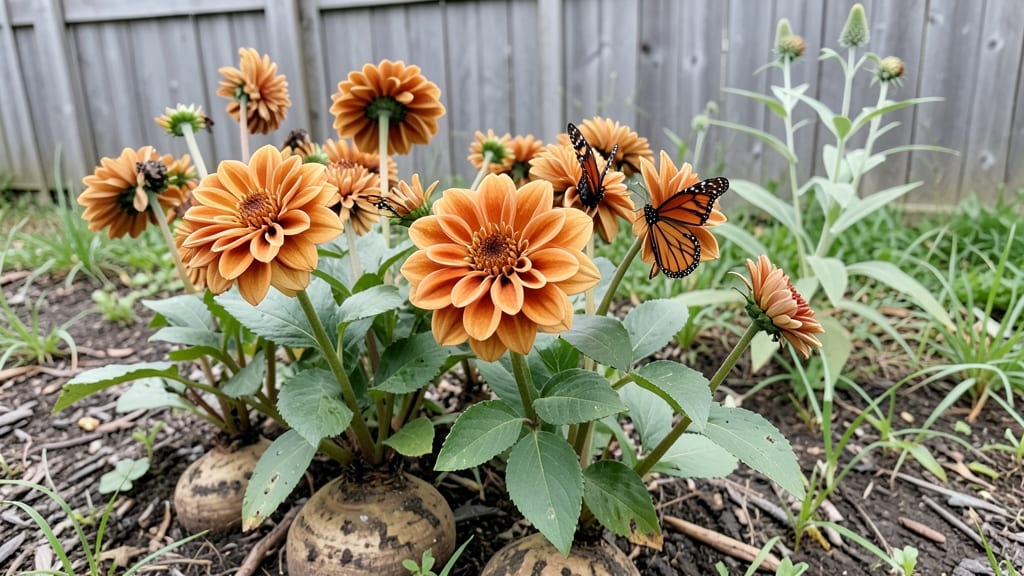
Bold dahlias can turn your garden into a monarch magnet. 🌸 I planted mine last summer and watched butterflies flock to the deep red blooms—it’s like a living butterfly buffet. The key is pairing these showstoppers with native milkweed and nectar-rich flowers to create a full-season haven.
Start with 3-5 dahlia varieties in different heights and colors to add drama while keeping the space functional. Plant milkweed (the monarch caterpillar’s only food) nearby, and add purple coneflowers or black-eyed Susans for extra nectar. The layout should guide butterflies through your garden with clear paths of blooms.
By late summer, your garden will buzz with activity—monarchs sipping nectar while their caterpillars munch on milkweed. The dahlias add stunning height and texture, while the native plants ensure the ecosystem thrives. Even non-gardeners will pause to admire the show.
Works in containers, borders, or full sun beds—just ensure 6+ hours of sunlight and well-draining soil. Add a few perennials like bee balm or goldenrod for year-round interest. The best part? Your garden becomes a butterfly highway.
📚 In This Guide
- What you need
- Instructions
- Tips and common mistakes
- Wrapping up and next steps
What you need
- ● Dahlia Tubers: 10–20 tubers (depending on desired fullness) from Monarch Gardens (choose varieties like 'Bishop' or 'Galaxy' for show-stopping color).
- ● Potting Mix: 5–10 gallons of high-quality, well-draining container mix (avoid garden soil—it compacts!).
- ● Containers: 1–2 large pots (18"+ diameter) with drainage holes or a raised bed (minimum 12" depth).
- ● Fertilizer: Slow-release 10-10-10 granular fertilizer (1 cup per pot) or liquid bloom booster (like fish emulsion).
- ● Mulch: 2–3 inches of organic mulch (straw or shredded bark) to retain moisture.
- ● Stakes or Cages: 3–4 6-foot bamboo stakes or tomato cages per pot for support.
- ● Garden Gloves (to protect hands from thorns!).
- ● Trowel or Spade (for planting and mixing soil).
- ● Watering Can or Hose with a gentle spray nozzle.
- ● Pruning Shears (for deadheading spent blooms).
- ○ Optional: Time-release moisture beads (for drought-prone areas) or slow-release plant food spikes.
Step-by-Step instructions for planting and cultivating dahlias
Here's how I create a showstopping dahlia display—vibrant blooms that draw monarch butterflies and steal every garden's spotlight.
🌱 Step 1: Prepare the Soil for Dahlia Planting
Dahlias demand rich, well-draining soil—think of it as the foundation for their dramatic blooms. Amend your garden bed with 3-4 inches of compost mixed into the top 12 inches of soil. Dahlias hate soggy roots, so if your soil drains poorly, add 2-3 inches of coarse sand or perlite to improve aeration. Work the amendments in until the soil looks dark, crumbly, and holds moisture without becoming waterlogged.
I like to test the soil pH before planting—dahlias thrive in slightly acidic to neutral soil (6.0-7.0). If your soil tests higher, add sulfur to lower the pH gradually. Avoid fresh manure; it can burn tender dahlia tubers. Instead, use well-aged compost or a balanced 10-10-10 fertilizer at planting time.
🪴 Step 2: Plant Tubers at the Right Depth and Spacing
Dahlia tubers are delicate, so handle them like fragile treasure. Plant them 2-3 inches deep, with the eyes (dormant buds) facing upward. Space single-stemmed varieties 18-24 inches apart, while dinnerplate or semi-cactus types need 24-36 inches to accommodate their sprawling growth. For a fuller display, plant 4-5 tubers per square yard, staggering them in a grid pattern.
Press the soil gently around the tubers to eliminate air pockets, but don’t compact it—dahlias need room for roots to expand. Water lightly after planting to settle the soil, then wait until new shoots emerge (about 2-3 weeks) before resuming regular watering. This prevents tubers from rotting before they establish roots.
☀️ Step 3: Provide Support and Optimal Growing Conditions
Sturdy stakes or cages are non-negotiable for dahlias—without support, their heavy blooms will snap stems like twigs. Install 6-foot bamboo stakes or tomato cages at planting time, driving them 12 inches deep for stability. For varieties like 'Karma Choc' or 'Bishop', use heavier metal cages to handle their 3-4 foot stems.
Dahlias crave full sun (6-8 hours daily) and consistent moisture. Water at the base (not overhead) to prevent fungal diseases like powdery mildew. Aim for 1-1.5 inches of water weekly, adjusting for rain. Mulch with 2-3 inches of straw or shredded leaves to retain moisture and suppress weeds—this also keeps tubers cool during summer heat.
✂️ Step 4: Prune and Deadhead for Continuous Blooms
The secret to nonstop dahlias? Strategic pruning. Once plants reach 12-18 inches tall, pinch off the top set of leaves to encourage bushier growth. For varieties with multiple stems, cut back the weakest stems at the base to redirect energy to stronger ones. Always prune with sterilized shears to prevent spreading disease.
Deadhead spent blooms weekly by snipping stems just above a leaf node. This triggers new flower production and prevents seed formation, which drains the plant’s energy. For late-season dahlias, reduce watering slightly in late August to harden off tubers for winter storage—this prevents premature rot.
🌿 Step 5: Prepare Tubers for Winter Storage
When frost threatens (typically late October), cut stems back to 6 inches and carefully dig up tubers with a fork. Shake off excess soil and cure them for 2-3 days in a dry, shaded spot—this toughens the skin and prevents rot during storage. Brush off remaining dirt, then store tubers in individual paper bags or cardboard boxes filled with dry peat moss or vermiculite. Keep them in a cool (40-50°F), dark place until spring.
I label each bag with the variety—after a season of bold blooms, you’ll forget which tuber is which! Replant in early spring (2-3 weeks before last frost), and you’ll have dahlias stealing the show again in no time.
Tips & tricks for perfect monarch gardens dahlias
A few strategic moves will transform your dahlias from good to showstopping—here’s how to maximize those bold blooms.
Soil Science: The 3-4 inches of compost in Step 1 isn’t just about nutrients—it’s about creating the perfect air-water balance. I’ve found that adding a handful of worm castings to that compost mix gives tubers an extra microbial boost, helping roots establish faster. For clay-heavy soil, mix in 1 part perlite to 3 parts compost to prevent waterlogging, which dahlias despise more than soggy socks.
Tuber Handling: Those delicate tubers in Step 2 deserve royal treatment. I learned the hard way that cutting tubers with a knife can introduce rot—always break them apart by hand where the natural divisions occur. After planting, I water with a seaweed extract solution (1 tsp per gallon) to reduce transplant shock. And here’s the thing: if your tubers arrive shrunken, soak them in lukewarm water for 2 hours before planting to rehydrate without shocking the system.
Pruning Precision: When you reach Step 4’s pruning, think of it like sculpting a masterpiece. The top set of leaves you pinch should be just above a set of leaves with at least three leaflets—this ensures you’re not removing too much growing potential. For varieties like 'Bishop', I find that cutting back the weakest stems at the base in early July gives the remaining stems a growth surge that results in larger blooms later in the season. Always sterilize your shears with rubbing alcohol between cuts to prevent bacterial hitchhikers.
Storage Strategy: The 2-3 day curing period in Step 5 is non-negotiable, but here’s my secret: I spread tubers on a wire cooling rack in a well-ventilated garage rather than stacking them. This allows air to circulate around each tuber, preventing mold. For long-term storage, I add a small silica gel packet to each box to absorb excess moisture—this keeps tubers viable for up to 5 years without sprouting prematurely. Labeling with variety names and planting dates saves me from the annual panic of "Which one was the giant pink one?!"
Pro Tips for Monarch Gardens Dahlias
- A few strategic moves will transform your dahlias from good to showstopping—here’s how to maximize those bold blooms.
- Soil Science: The 3-4 inches of compost in Step 1 isn’t just about nutrients—it’s about creating the perfect air-water balance.
- Tuber Handling: Those delicate tubers in Step 2 deserve royal treatment.
Frequently asked questions
Got questions about growing dahlias in monarch gardens? You’re not alone! Here are some of the most common queries—plus quick answers to help your blooms shine brighter than ever.
When is the best time to plant dahlias in a monarch garden?
Plant dahlias after the last spring frost when soil temps hit 60°F (15°C). In most regions, this means late April to early June. Tubers are frost-sensitive, so wait until nighttime temps stay above 50°F (10°C) to avoid rot. Pro tip: Use black plastic mulch to warm the soil faster!
Do dahlias attract monarch butterflies?
While dahlias aren’t a monarch host plant (they don’t feed caterpillars), their bright blooms draw adult butterflies for nectar. Pair them with milkweed (Asclepias) and coneflowers to create a full monarch magnet garden. Bonus: The contrast of dahlia petals and monarch wings is pure magic!
Why are my dahlia leaves turning yellow or spotted?
Yellow leaves often signal overwatering or fungal issues. Spots? Likely botrytis or aphids. Fix it fast:
Yes! Container dahlias thrive in 12–18" pots with well-draining mix (add perlite or sand). Choose compact varieties like ‘Café au Lait’ or ‘Happy Single’. Just ensure:
Deadheading encourages nonstop blooms! Snip spent flowers above the next set of leaves (or the first healthy bud) with clean scissors. For pompom or dinnerplate varieties, cut back to a strong stem to avoid legginess. Do this daily during peak bloom—your dahlias will reward you with months of color!
Remove infected leaves immediately to stop spread.
Can I grow dahlias in containers instead of a monarch garden bed?
Move pots indoors before frost—tubers need winter dormancy!
How do I deadhead dahlias for longer blooms?
Wrapping up and next steps
Transforming your garden into a monarch haven with dahlias is easier—and more rewarding—than you think! These bold blooms don’t just steal the show; they invite pollinators, add drama to containers, and bring joy with minimal fuss.
Whether you’re a seasoned gardener or just starting, dahlias are your ticket to effortless elegance—so grab those clumps, get planting, and watch your space bloom with confidence!
🌟 Ready to dive in? Start small with a single container or go all out—your next step is to pick your dahlias and let the magic unfold! 🌸