
Tools
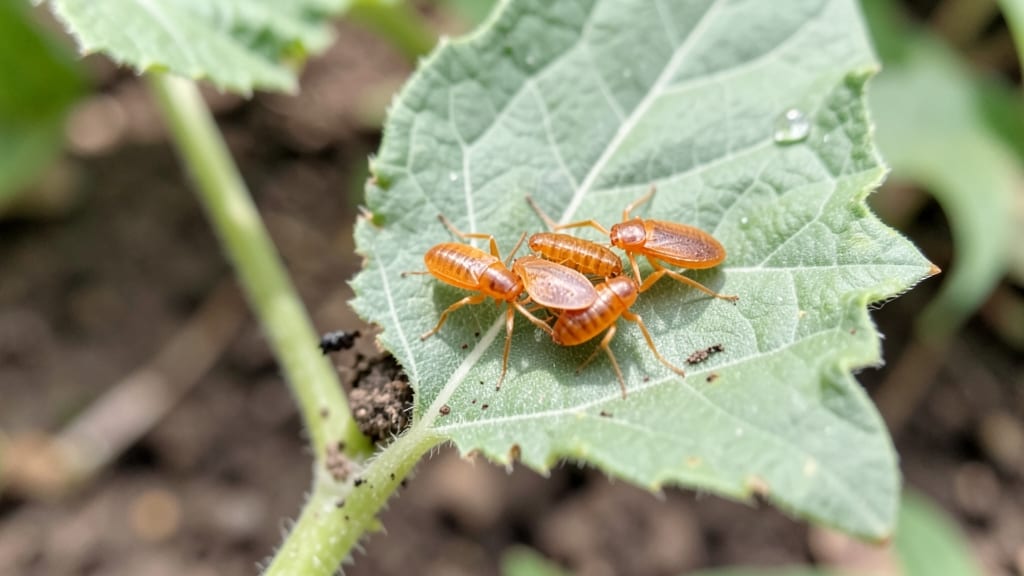
Orange bugs in your garden aren't always pests—some are helpful, while others can wreck your plants. 🌿 I’ve spent years tracking down these bright intruders, from harmless ladybugs to destructive citrus pests, and here’s how to tell them apart and keep the bad ones in check.
Most orange garden bugs you’ll spot are ladybugs or lacewings, which devour aphids and mites. But if you see sticky residue on leaves or wilting plants, you might have scale insects or citrus flatid planthoppers—those need fast action.
The key is identifying the damage first: chewed leaves, sap trails, or stunted growth.
Natural solutions work best: blast pests off leaves with water, introduce predator bugs like ladybugs, or apply neem oil for stubborn infestations. For severe cases, insecticidal soap or horticultural oil can help—but test small areas first to avoid harming your plants.
When in doubt, snap a photo and consult a local extension office. Some orange bugs thrive in specific climates, so knowing your region’s common pests saves time. Let’s get your garden back in balance—without losing a single leaf.
Why it happens
Those tiny, vibrant orange garden invaders aren’t just random visitors—they’re drawn to your yard by specific triggers rooted in biology and ecology. Understanding these causes helps you strategically disrupt their patterns. Here’s why your garden might be a bug buffet:
🌱 Overripe or Fallen Fruit
Many orange-colored garden pests—like harlequin bugs or orange tortoise beetles—are attracted to fermenting fruit.
Overripe tomatoes, squash, or citrus on the ground release sugars and alcohols that mimic decaying organic matter, a signal for egg-laying. Actionable fix: Harvest produce promptly, mulch fallen fruit with straw (not leaves, which trap moisture), and remove compost piles near planting beds.
🌿 Host Plants They Crave
Some orange bugs, like the sweet potato whitefly (which can appear orange in certain life stages), target specific plants. For example:
- Cruciferous veggies (kale, cabbage): Magnet for harlequin bugs.
- Solanaceae (tomatoes, peppers): Preferred by stink bugs (some orange varieties).
- Legumes (beans, peas): Attract tortoise beetles.
Actionable fix: Rotate crops yearly, interplant with repellent herbs (basil, thyme), or use row covers early in the season to block adults before they lay eggs.
💧 Moisture and Humidity Hotspots
Orange bugs thrive in damp conditions because moisture preserves their eggs and soft-bodied nymphs. Irrigation issues—like overhead watering or poor drainage—create ideal microclimates. For instance:
- Whiteflies cluster on the undersides of leaves where humidity lingers.
- Fungus gnats (orange larvae) breed in soggy soil.
Actionable fix: Water at the base of plants in the early morning, use drip irrigation, and amend soil with perlite or sand to improve drainage. Remove mulch from plant stems to prevent fungal growth.
🌅 Warmth and Sun Exposure
Bright orange hues often signal thermoregulation—these bugs bask in sunlight to regulate body temperature. Open, sunny areas (especially near black soil, which absorbs heat) become prime real estate. Example: Lady beetles (some orange) seek out aphid-infested plants in full sun to hunt efficiently.
Actionable fix: Add shade cloth over vulnerable plants (e.g., squash) or use reflective mulch (like aluminum foil) to disrupt their thermal cues. Prune nearby trees to reduce direct sunlight on susceptible crops.
🌱 Previous Year’s Debris
Old plant matter, like last year’s leaf litter or untended garden waste, harbors overwintering eggs and pupae. Many orange bugs, such as squash bugs, lay eggs in protected, undisturbed soil. Pro tip: 🔥 A single missed patch of debris can lead to a 200% infestation the next season.
Actionable fix: Clear garden beds completely in late fall, compost debris only if heated to 140°F+, and consider deep tilling (6–8 inches) to expose and dry out hidden eggs.
Eliminate Orange Garden Invaders Naturally
Orange garden bugs—whether they’re harlequin bugs, orange tortoise beetles, or other bright-eyed pests—can turn your lush garden into a battleground. But before reaching for harsh chemicals, try these targeted, organic solutions tailored to the root cause.
Below, we break down the most effective fixes, from immediate action to long-term prevention.
Not all orange bugs are created equal. Misidentifying them can lead to wasted effort (or even harming beneficial insects!). Here’s a quick cheat sheet:
| Bug Type | Looks Like | Plants They Target | Best Fix |
|---|---|---|---|
| Harlequin Bug | Triangular, orange/black striped | Cruciferous veggies (kale, cabbage) | Handpick + neem oil spray |
| Orange Tortoise Beetle | Dome-shaped, orange shell | Beans, peas, squash | Introduce predator bugs (ladybugs) |
| Asian Citrus Psyllid | Tiny, orange/yellow, winged | Citrus trees | Prune + insecticidal soap |
| Ladybug Larvae | Orange, spiky (but helpful!) | Aphids, mites | Leave them—don’t disturb! |
💡 Pro Tip: Use a magnifying glass or phone app (like iNaturalist) to confirm the culprit before treating.
If your plants are already under siege, act fast with these non-toxic tactics:
1. 🔪 Manual Removal (For Large Bugs)
- When to use: Harlequin bugs, tortoise beetles, or egg masses.
- How to do it:
- Morning is best—bugs are sluggish when cool.
- Wear gloves and drop them into soapy water (1 tbsp dish soap per gallon).
- Check under leaves and stems for eggs (scrub off with a soft brush).
- Why it works: Eliminates adults before they lay more eggs.
2. 🌡️ Heat or Cold Treatment (For Eggs/Larvae)
- When to use: Early-stage infestations (eggs or small larvae).
- How to do it:
- Freeze them out: Place infested leaves in a sealed bag in the freezer for 48 hours.
- Boil them: Submerge heavily infested plant clippings in boiling water for 30 seconds.
- Why it works: Eggs and larvae can’t survive extreme temps.
3. 🧴 Homemade Sprays (For Soft-Bodied Bugs)
- Best for: Harlequin bugs, psyllids, and aphids.
- Recipe 1: Neem Oil Spray (🌿 organic & effective)
- Mix 1 tbsp neem oil + 1 tsp mild soap + 1 quart water.
- Spray directly on bugs and undersides of leaves (avoid flowering plants if bees are active).
- Reapply every 5–7 days until gone.
- Recipe 2: Insecticidal Soap (💦 fast-acting)
- Use store-bought soap (like Safer® Brand) or 1 tsp castile soap per quart water.
- Spray until dripping—soap disrupts their protective coating.
- Why it works: Smothers bugs without harming plants (when used correctly).
4. 🕷️ Encourage Natural Predators (Long-Term Fix)
- Best for: Tortoise beetles, psyllids, and aphids.
- How to attract helpers:
- Plant companion flowers: Marigolds, dill, and fennel draw ladybugs, lacewings, and parasitic wasps.
- Leave some "weeds": Dandelions and clover host beneficial insects.
- Avoid broad-spectrum pesticides—they kill predators too!
- Why it works: Nature’s cleanup crew will outrun pests in 2–4 weeks.
An ounce of prevention is worth a pound of bug spray. Use these barriers and habits to keep orange invaders out:
1. 🌱 Plant Smart (Bug-Resistant Varieties)
- Swap vulnerable plants for tougher alternatives:
- Instead of cabbage → Try kale ‘Winterbor’ (more resistant).
- Instead of beans → Opt for ‘Provider’ green beans (less appealing).
- For citrus → Choose ‘Meyer lemon’ (psyllid-resistant hybrids exist!).
- Why it works: Some plants are genetically less tasty to pests.
2. 🚫 Disrupt Their Life Cycle
- Remove debris after harvest—bugs hide in old plant matter.
- Rotate crops yearly to starve soil-borne pests.
- Use row covers (fine mesh) for cruciferous veggies in early spring.
- Why it works: Breaks their breeding patterns.
3. 🌡️ Soil Health = Bug Defiance
- Healthy soil = strong plants that repel pests naturally.
- Add compost and mycorrhizal fungi to boost plant immunity.
- Avoid overwatering—wet leaves attract bugs.
- Why it works: Stressed plants are 3x more likely to get infested.
4. 🕊️ Early Warning System
- Inspect plants weekly (especially after rain—bugs are active!).
- Check new plants for hitchhiking pests before transplanting.
- Use yellow sticky traps to monitor psyllid populations.
- Why it works: Catches problems before they explode.
If your garden is overrun despite your best efforts, consider:
- Beneficial nematodes (Phasmarhabditis hermaphrodita) for grub control.
- Kaolin clay (like Surround WP) to confuse and deter bugs.
- Professional organic pest control (if dealing with psyllids or harlequin bugs in large-scale gardens).
Final Thought: Orange garden bugs are a sign of imbalance, not a death sentence. With the right mix of immediate action and preventive care, you’ll reclaim your garden—without chemicals. Start with one fix today, then build your defense over time. 🌱✨
Frequently asked questions
Are all orange garden bugs harmful to my plants?
Not at all! Many orange bugs are actually beneficial. Ladybugs and their larvae, for example, devour aphids and mites—your garden’s worst enemies. Even some orange beetles, like the spotted cucumber beetle, may not cause major damage unless populations explode. Always check for damage first: chewed leaves or sticky residue signals a real pest, while just seeing them doesn’t mean action is needed.
How can I tell if orange bugs are damaging my citrus trees?
Look for these red flags: Yellowing leaves, stunted growth, or tiny white cottony masses (scale insects) are clear signs of trouble. For citrus-specific pests like the Asian citrus psyllid, check for curled new leaves or brown lacy bark—these bugs inject bacteria that causes Huanglongbing disease. If you spot these symptoms, act fast with insecticidal soap or prune affected branches immediately.
Will neem oil work on all orange garden pests?
Neem oil is effective against many soft-bodied orange pests like harlequin bugs and aphids, but it won’t stop hard-shelled beetles or larvae buried in soil. For tougher pests like tortoise beetles, combine neem oil with manual removal (pick them off in the morning) or introduce beneficial nematodes. Always test neem oil on a small leaf area first—some plants (like citrus) can be sensitive to concentrations over 1%.
Can I use orange bugs as natural pest control?
Ladybugs and lacewings are your secret weapons against aphids and mites. Purchase them online or attract them naturally by planting dill, fennel, or marigolds. Release them in the evening when they’re less active, and provide water sources (like shallow dishes with pebbles) to keep them around. Avoid pesticides entirely for at least 2 weeks before and after introducing these helpers.
What’s the fastest way to stop an orange bug infestation?
For immediate results, combine these three steps: First, blast pests off leaves with a strong stream of water (especially in the morning). Second, apply insecticidal soap or neem oil directly to affected areas. Third, remove all infested plant debris and dispose of it in sealed bags. Repeat daily for 3-5 days—this breaks their life cycle faster than single treatments alone.