
Pests
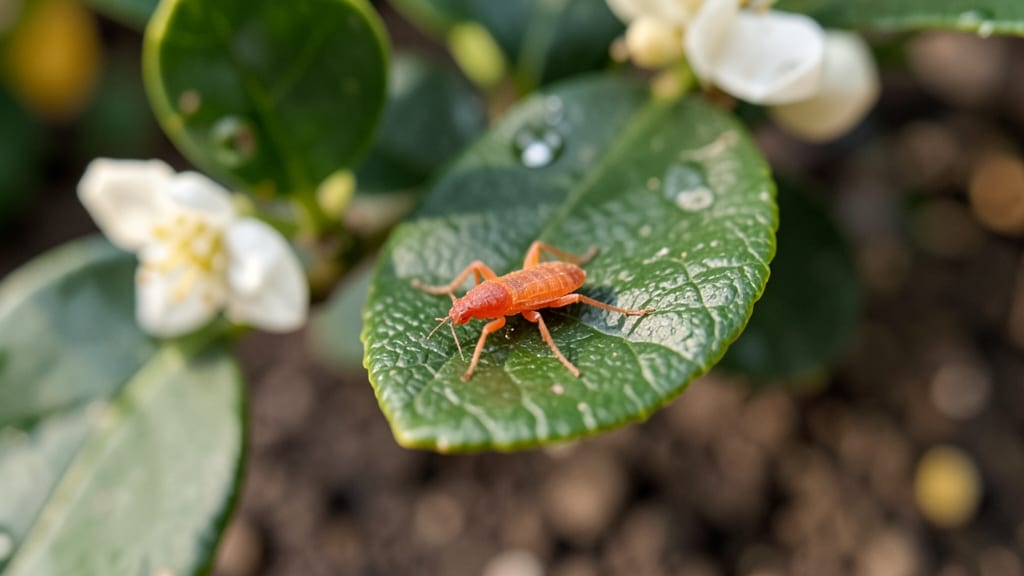
Spotting orange insects in your garden doesn’t always mean trouble—some are helpful allies while others can turn your plants into a buffet. 🌿 I’ve spent years tracking these bright bugs, and the key is telling the good from the bad before they spread.
A few tiny orange ladybugs? Great for aphid control. A swarm of citrus leaf miners? Time to act fast.
The confusion starts with their similar colors—orange ladybugs, citrus scale, and even some beetles all share that sunny hue. But their habits give them away: ladybugs hunt pests, while scale insects leave sticky residue on leaves.
Knowing their lifecycle helps too—some overwinter as eggs, others as adults, so timing matters when you treat them.
You’ll learn to spot the damage early—chewed leaves, wilting branches, or that telltale webbing—and how to stop it without harsh chemicals. Natural remedies like neem oil, insecticidal soap, or even introducing predator birds can make all the difference.
The goal isn’t just to eliminate them but to restore balance in your garden.
Whether you’re dealing with a sudden outbreak or just curious about what’s buzzing around, this guide cuts through the guesswork. No more wasted sprays or missed signs—just clear steps to protect your plants the right way.
Root Causes Of Bright Orange Garden Visitors
Those vibrant orange critters scuttling through your garden aren’t just a visual oddity—they’re often a sign of underlying ecological imbalances. Understanding why these insects appear helps you address the real issues before they become a full-blown infestation.
Let’s break down the science behind their presence, so you can tackle the problem at its source.
Orange garden insects, like harlequin bugs or orange tortoise beetles, thrive in dense, overcrowded plant beds. When plants grow too closely together, they create the perfect microclimate for pests:
- Reduced airflow: Stagnant air traps moisture, creating a humid environment that attracts insects seeking shelter and breeding grounds.
- Limited natural predators: Overcrowding can stress plants, making them more vulnerable while also reducing the habitat for beneficial predators like ladybugs or lacewings.
- Nutrient competition: Stressed plants release chemical signals that can attract pests looking for weakened hosts.
Actionable fix: Prune regularly to improve airflow, thin out overgrown plants, and avoid mulching too heavily in problem areas.
Orange insects often target plants with nutrient deficiencies or excessive nitrogen. Here’s how soil issues invite them:
| Nutrient Issue | Why It Attracts Pests |
|---|---|
| High nitrogen (e.g., over-fertilized lawns) | Soft, lush growth becomes a buffet for sap-sucking insects like aphids or scale insects (some of which have orange hues). |
| Low potassium or phosphorus | Weakened plants can’t defend themselves, making them prime targets for beetles and bugs. |
| Compacted or waterlogged soil | Poor drainage stresses roots, releasing volatile organic compounds (VOCs) that signal distress to pests. |
Actionable fix: Test your soil and amend it with compost or balanced organic fertilizers. Avoid synthetic nitrogen spikes, which can trigger explosive pest populations.
Orange garden insects are often seasonal opportunists, capitalizing on specific weather patterns:
- Warm, dry spells: Drought-stressed plants produce more sugars in their sap, making them sweeter targets for insects like stink bugs or lygus bugs.
- Sudden rain followed by heat: Moisture boosts fungal growth on plants, which some orange beetles (e.g., colorado potato beetles) feed on or lay eggs in.
- Early spring warmth: Many orange pests (like orange tortoise beetles) emerge before their natural predators, giving them a head start.
Actionable fix: Monitor weather forecasts and use row covers or neem oil sprays during high-risk periods. Drip irrigation can also reduce drought stress.
Plants under attack from fungal infections, viral diseases, or physical damage (like hail or animal grazing) often become magnets for secondary pests. Here’s how it works:
- Fungal spots: Orange insects like mealybugs or whiteflies (some with orange larvae) are drawn to fungi-covered leaves, as they provide both food and shelter.
- Chewing damage: When caterpillars or deer munch on foliage, they create entry points for sap-sucking orange pests like leaf-footed bugs.
- Root rot: Underground stress can alter a plant’s scent profile, chemically signaling pests to investigate.
Actionable fix: Remove infected plant debris immediately, treat fungal issues with copper fungicides, and reinforce physical barriers (e.g., fencing) to prevent primary damage.
Sometimes, the orange invaders are a direct result of human habits. Common culprits include:
- Monoculture gardening: Planting large blocks of a single crop (e.g., citrus, tomatoes) creates a pest buffet with no natural diversity to disrupt their life cycle.
- Overuse of broad-spectrum pesticides: These kill beneficial insects first, leaving orange pests (which may be pesticide-resistant) as the sole survivors.
- Firewood or mulch from infested areas: Some orange beetles (like multicolored Asian lady beetles) hitchhike on untreated wood or compost.
Actionable fix: Introduce pollinator-friendly plants to encourage biodiversity, rotate crops annually, and source certified pest-free mulch.
Quick Fixes for Garden Pests
Dealing with orange garden insects can feel like a losing battle, but with the right strategies, you can reclaim your garden without harsh chemicals. Below are targeted solutions based on common causes—whether it’s aphids, spider mites, or other orange-hued critters—and how to eliminate them naturally.
Before treating, confirm what you’re dealing with:
- Aphids (tiny, clustered, often orange or green)
- Spider mites (tiny orange specks on leaves)
- Orange ladybugs (harmless, but their larvae may be pests)
- Scale insects (orange, flat, stuck to stems)
Use a hand lens or magnifying glass to inspect leaves and stems closely. If unsure, snap a photo and compare it to pest guides online.
For soft-bodied insects like aphids and spider mites, homemade sprays work wonders:
👨🍳 Soap Spray (Best for Aphids & Mites)
What you’ll need:
- 1 tbsp mild liquid soap (like Castile soap)
- 1 quart water
- Spray bottle
Steps:
- Mix soap and water in the bottle.
- Spray directly on infested areas (top and bottom of leaves).
- Reapply every 3-5 days until pests disappear.
✨ Pro Tip: Test on a small leaf first—some plants (like succulents) are sensitive to soap.
🥘 Neem Oil Solution (All-Purpose Pest Killer)
What you’ll need:
- 1 tbsp neem oil
- 1 tsp dish soap (as an emulsifier)
- 1 quart water
Steps:
- Combine ingredients and shake well.
- Spray evenly on plants (avoid flowering plants if bees are active).
- Reapply weekly for stubborn infestations.
💡 Pro Tip: Neem oil also prevents future pests—use it as a preventive spray every 2 weeks.
If sprays aren’t enough, physically remove pests:
🌡️ Prune & Dispose of Infested Plants
- Cut off heavily damaged leaves and burn or trash them (don’t compost!).
- Wipe down stems with a damp cloth to remove eggs.
🎯 Introduce Beneficial Insects
Ladybugs, lacewings, and parasitic wasps eat orange garden pests like aphids. Buy them online or attract them with:
- Dill, fennel, or marigolds (natural ladybug magnets).
- A shallow dish of water with a rock for them to drink.
✨ Pro Tip: Release beneficial insects early in the morning or evening when pests are less active.
Stop pests before they start with these easy habits:
- 🌿 Keep Plants Healthy – Weak plants attract pests.
Water deeply, fertilize properly, and remove dead leaves. - 🌱 Rotate Crops – Don’t plant the same family (like tomatoes or peppers) in the same spot yearly. - 🌞 Encourage Airflow – Space plants properly to reduce humidity, which pests love. - 🌻 Plant Companion Flowers – Marigolds, basil, and garlic repel many garden pests naturally.
Final Reminder: Consistency is key! Check plants weekly, especially under leaves, and act fast at the first sign of orange intruders. With these methods, your garden will stay pest-free and thriving—without chemicals! 🌱💚
Frequently asked questions
Are orange ladybugs actually beneficial for my garden?
Yes! Orange ladybugs (like the harlequin bug) are natural predators that devour aphids, mites, and other soft-bodied pests. Their larvae are even more effective hunters. Just watch for overpopulation—they can sometimes turn on your plants if food sources run low.
What do orange garden insects eat, and how do I know if they're harmful?
Most orange pests target plant sap (like scale insects or whiteflies) or chew foliage (like tortoise beetles). Look for sticky residue, yellowing leaves, or tiny holes. Beneficial orange insects (e.g., ladybugs) leave no damage—they only hunt other bugs.
Can orange insects overwinter in my garden, and how do I prevent it?
Many orange pests (like multicolored Asian lady beetles) hide in leaf litter, bark, or sheds during winter. To stop them, clear debris in fall, seal gaps in structures, and apply neem oil in late summer to disrupt their lifecycle.
How do I tell the difference between orange aphids and beneficial orange ladybugs?
Orange aphids cluster on stems/leaves, leaving honeydew trails, while ladybugs move actively and have spotted backs. Use a magnifying glass—aphids are tiny and immobile when disturbed, while ladybugs fly away.
Are there any orange insects that actually help my citrus trees?
Yes! Citrus lacewings (orange larvae) and orange ladybugs target citrus pests like scale and mealybugs. Plant dill or fennel nearby to attract them naturally.