
Companion Plants
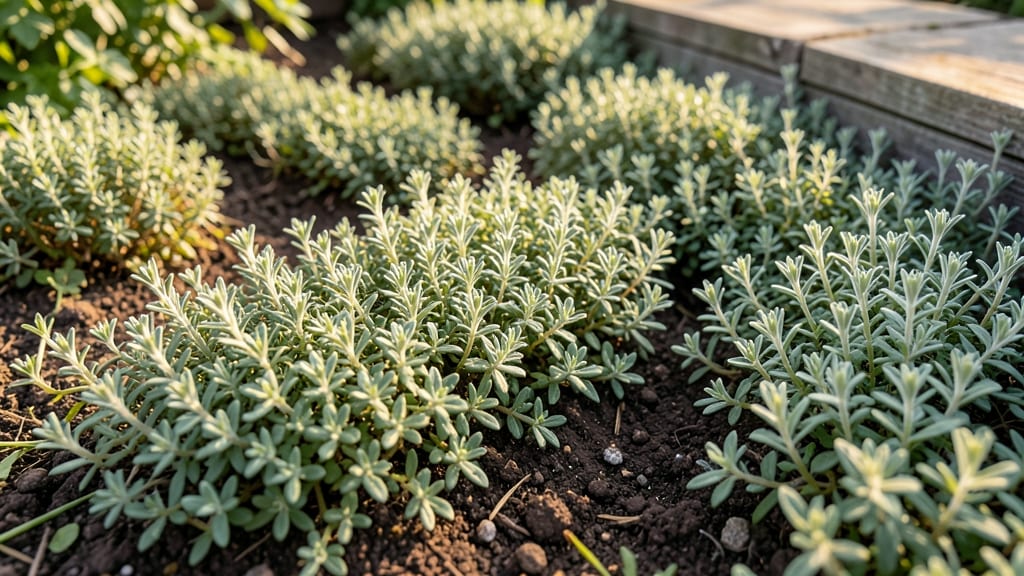
Transform your garden into a lush, productive potager with these 10 carefully selected plants that grow beautifully together. This layered approach maximizes space, flavor, and year-round harvests while minimizing pests naturally.
French Marigold Flowers for Pest Control
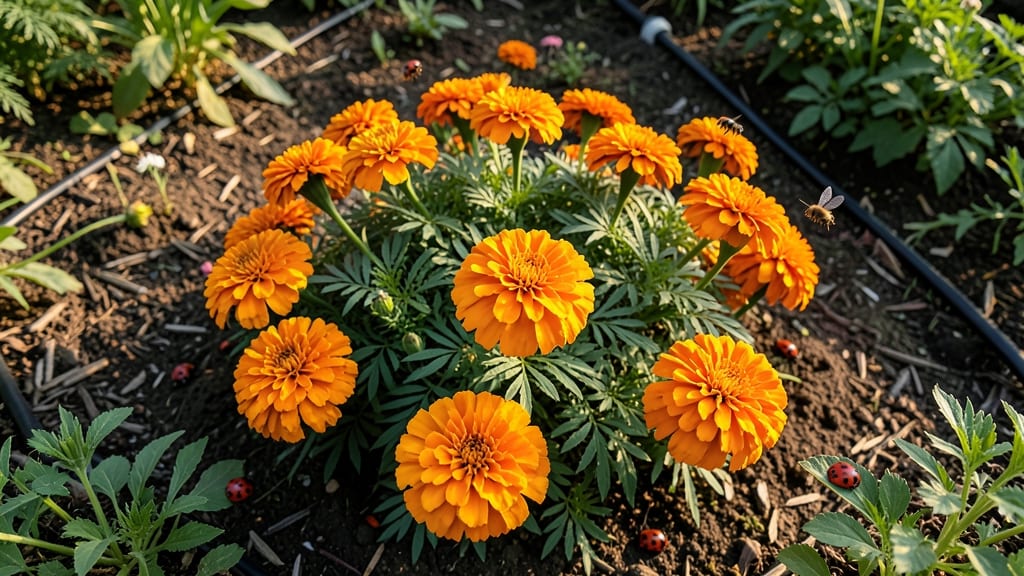
Looking to slash pests without chemicals? French marigolds are your secret weapon—these vibrant orange bloomers repel nematodes, aphids, and even rabbits while luring ladybugs and bees to your potager.
Plant them in the center of your beds for maximum impact—their strong scent masks other plants' aromas that attract pests. They thrive in full sun to partial shade and self-seed easily, making them a low-maintenance staple. Just deadhead spent blooms to encourage more flowers and pest protection all season.
Perfect for beginners or organic gardeners, these flowers add color while keeping your harvests healthy and abundant. 🌻
Heirloom Tomato Varieties for Flavor
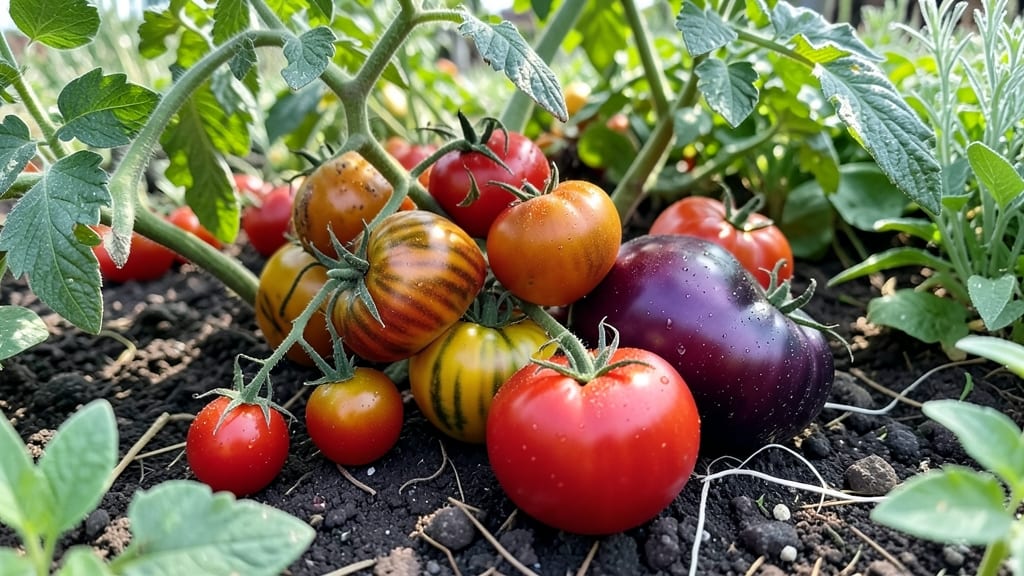
Your potager deserves more than just any tomato—heirloom varieties bring bold flavors, vibrant colors, and disease resistance that modern hybrids can't match. With over 20 varieties to choose from, you can transform your garden into a living palette of cherry-sized gems to beefsteak monsters, each with its own unique taste profile.
Start with Brandywine for classic sweetness, Black Krim for smoky depth, or Sun Gold for a tangy, citrusy burst. Most heirlooms thrive in full sun (6-8 hours daily) and well-draining soil, while varieties like Cherokee Purple handle cooler climates better. Prune suckers regularly to improve airflow and reduce disease risk, ensuring your plants stay productive all season.
These tomatoes aren’t just for show—they’re the flavor foundation of your potager, elevating salads, sauces, and sandwiches with their complex tastes. Perfect for both beginner gardeners and seasoned growers, they’ll make every harvest feel like a celebration. 🌟
Swiss Chard with Rainbow Stems
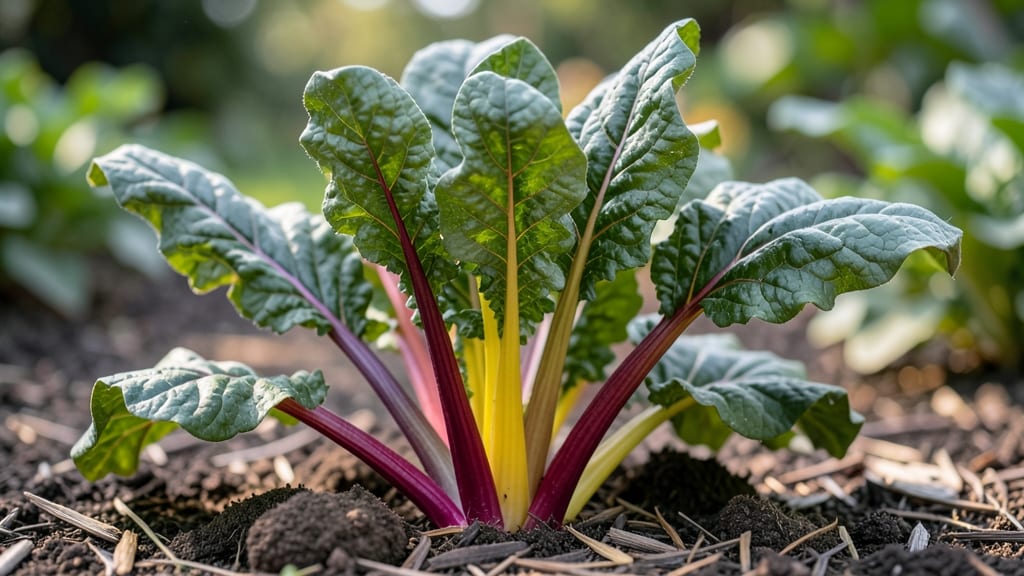
If you're looking for a nutrient-packed green that keeps giving without demanding full sun, Swiss chard with rainbow stems is your answer. This vibrant, cut-and-come-again leafy green thrives in partial shade, making it ideal for areas where tomatoes and peppers might struggle for light.
With its colorful stems (ranging from white to pink, red, and yellow), Swiss chard adds visual appeal while providing high levels of vitamins A, C, and K. Plant it alongside tomatoes and peppers to improve their growth—chard’s deep roots help break up compacted soil, while its broad leaves provide shade for sensitive roots. For continuous harvests, simply snip outer leaves, leaving the center to regrow.
This versatile plant is perfect for urban gardeners or anyone with limited sunlight, offering both beauty and bounty with minimal effort. 🌟
Garlic Chives for Culinary Versatility
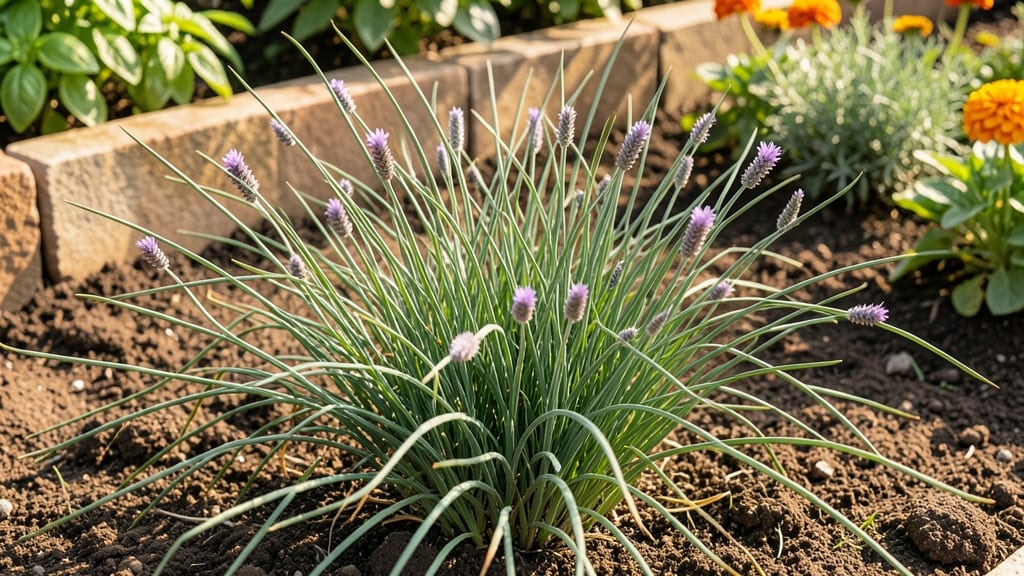
Looking for a year-round herb that doubles as a pest repellent? Garlic chives are your answer—a fragrant, hardy perennial that thrives with minimal fuss while keeping aphids and spider mites at bay.
This versatile herb grows in full sun to partial shade, tolerates most soil types, and multiplies effortlessly through self-seeding. Simply snip leaves as needed for salads, soups, or garnishes, and watch it regrow. The delicate purple flowers in late spring also attract pollinators while adding visual charm to your potager.
Perfect for beginners or busy gardeners, garlic chives require no special care—just consistent moisture and occasional division to control spread. Their mild garlic flavor enhances dishes without overpowering, making them a must-have for any edible garden. 🌿
Bush Beans for Vertical Growth
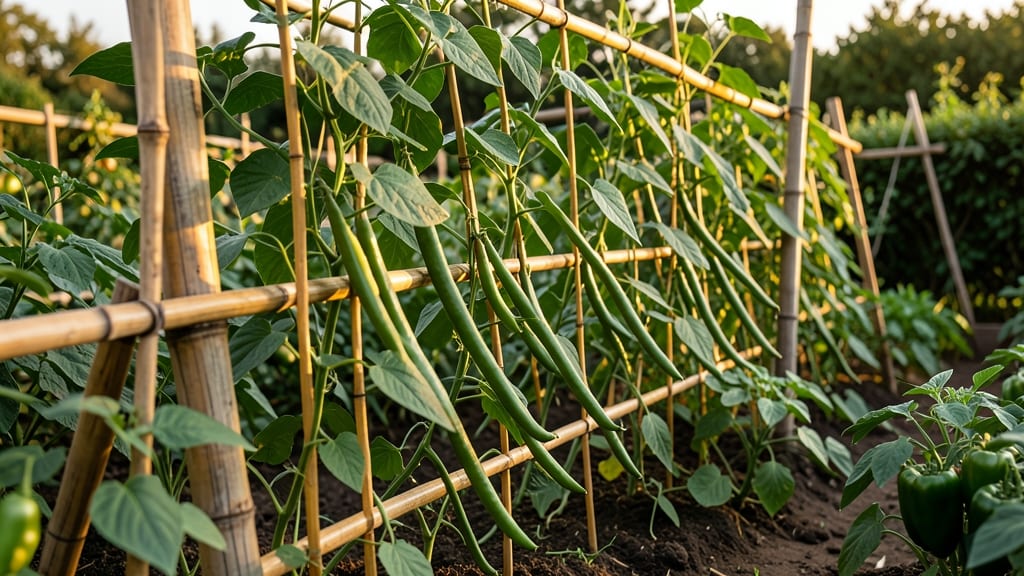
Maximize your potager’s vertical space with bush beans that naturally climb trellises, turning wasted air into a productive harvest. These compact yet prolific plants fix nitrogen in the soil, enriching neighboring crops like tomatoes or peppers while producing 5-7 pounds of beans per 10-foot row.
Plant seeds 1 inch deep after the last frost when soil reaches 60°F, spacing them 4 inches apart. Use lightweight trellises (like bamboo stakes or netting) to support their vines—no heavy structures needed. Harvest pods every 2-3 days to encourage continuous production until frost.
Perfect for small spaces or urban gardeners, these beans thrive in full sun and well-drained soil. Their dual role as a space-saver and soil booster makes them a must-have for efficient potager design. 🌱
Lavender for Aromatic Beauty
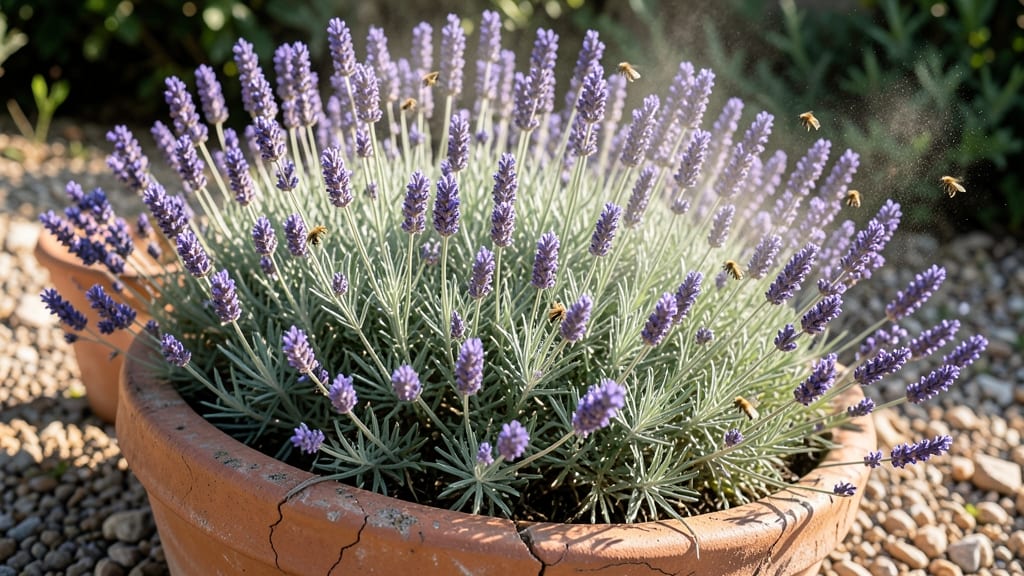
Want a plant that does double duty—brightening your potager with fragrance while luring in pollinators? Lavender is your answer. This hardy perennial thrives in poor, well-drained soil and even tolerates drought once established, making it ideal for challenging spots in your garden.
Beyond its stunning purple blooms, lavender’s calming scent repels pests like mosquitoes and moths while attracting bees and butterflies. You can also harvest the flowers for culinary uses—think lavender-infused honey, teas, or even desserts. Plant it at the edges of your potager for a fragrant border that enhances the overall sensory experience.
Perfect for beginners or urban gardeners with limited soil quality, lavender adds both beauty and function to your space without demanding much attention. 🌿
Radish Varieties for Quick Harvests
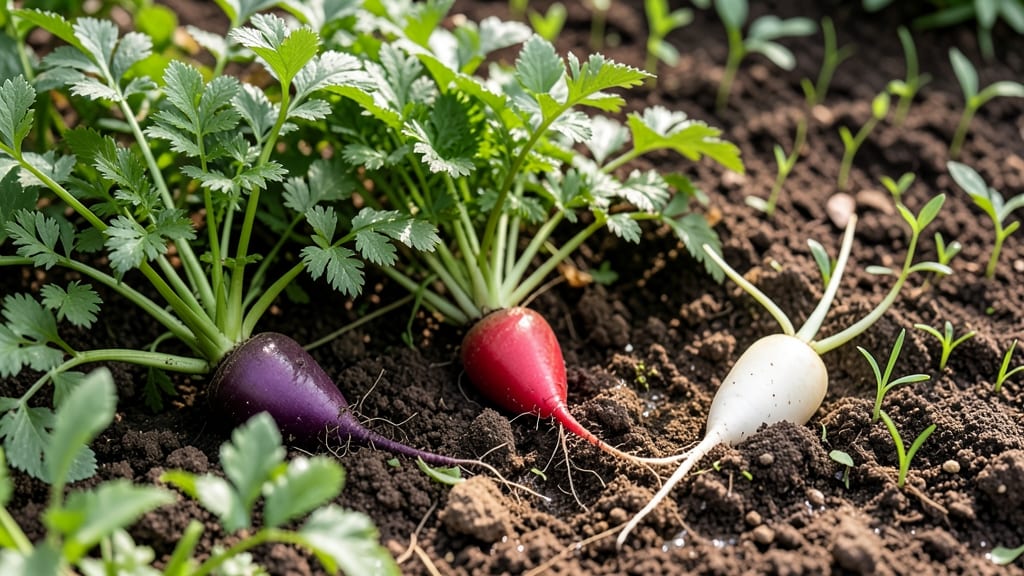
Looking for a fast harvest that doubles as a soil savior? Radishes are your secret weapon for breaking up compacted soil while delivering crisp, colorful roots in as little as 25 days. Their rapid growth makes them perfect for succession planting—sow seeds every 2 weeks from early spring to late summer for continuous harvests.
Choose from round varieties like 'Cherry Belle' (great for salads) or long, spicy types like 'Black Spanish' for bold flavor. Radishes thrive in cool weather and can tolerate light frost, making them ideal for early-season planting. Their deep roots also loosen soil, improving structure for heavier crops like carrots and potatoes planted afterward.
Urban gardeners and beginners will love radishes—they’re foolproof, space-efficient, and ready to eat in weeks. Plus, their vibrant colors add a pop to your potager beds! 🌻
Nasturtium Flowers for Edible Decoration
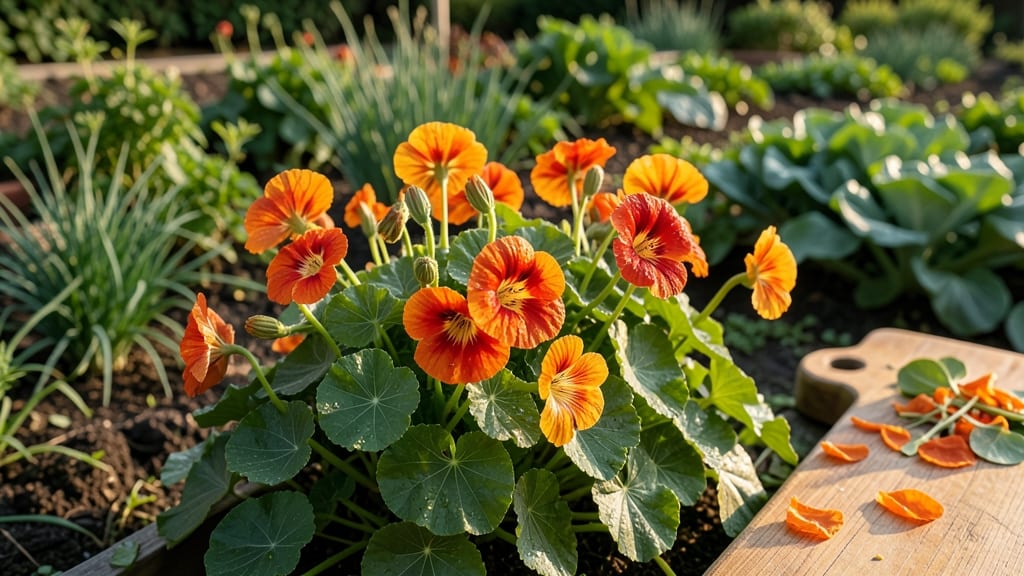
Transform your potager into a living salad bar with nasturtiums—vibrant, edible flowers that double as pest deterrents. Their peppery leaves and blossoms add a tangy crunch to salads, garnishes, and even pestos, while their bright colors brighten any garden bed.
Unlike sun-loving herbs, nasturtiums thrive in partial shade, making them perfect for understory planting near taller crops. They repel squash bugs, aphids, and whiteflies, and their trailing vines create a natural ground cover that suppresses weeds. For best results, plant seeds directly in well-draining soil after the last frost—no transplanting needed!
Urban gardeners and small-space growers will love how nasturtiums fit into containers or hanging baskets, while their year-round beauty (in frost-free climates) keeps your potager looking fresh. 🌻
Kale with Purple Curled Leaves
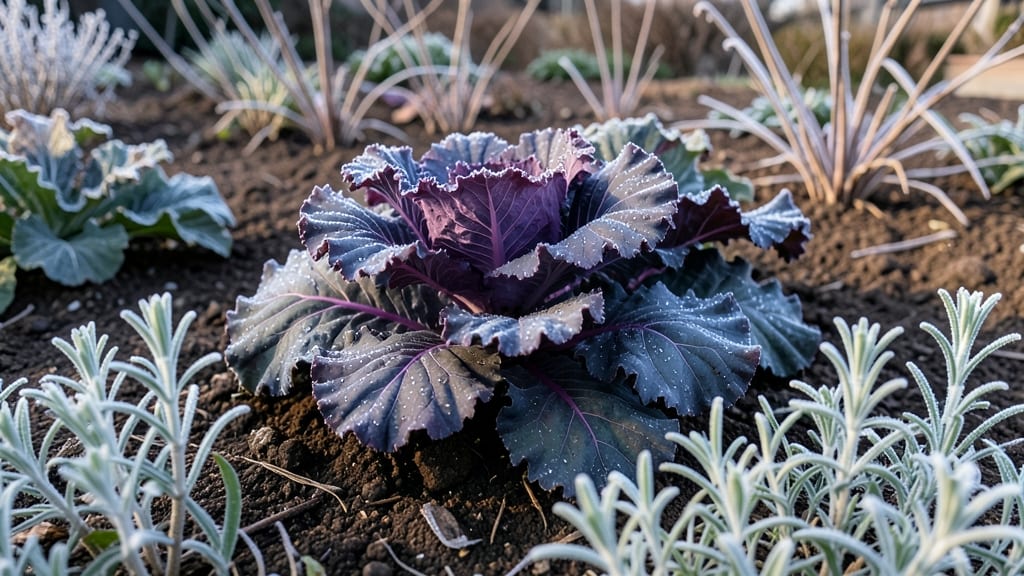
When winter threatens to halt your harvest, purple curled kale becomes your potager's unsung hero. This cold-hardy superfood thrives in temperatures as low as 15°F, delivering tender leaves even after frost—while most gardens lie dormant.
Plant it alongside herbs like thyme (which repels pests) or root vegetables like carrots (which benefit from its deep taproot). The purple hue adds striking visual contrast to your beds, and its nutrient-dense leaves are packed with vitamins K, A, and C. For best results, harvest outer leaves first to encourage continuous growth through spring.
Perfect for beginners and urban gardeners with limited space, this versatile plant turns winter into a harvest season. 💚
Thyme Ground Cover for Soil Health

Tired of battling weeds while trying to keep your potager beds tidy? Thyme is the unsung hero of ground cover—it spreads effortlessly, smothers weeds, and even improves soil structure over time. This hardy perennial thrives in full sun to partial shade, making it perfect for borders, pathways, or under taller plants like tomatoes and peppers.
Beyond its weed-suppressing superpowers, thyme deters pests like cabbage moths and whiteflies with its strong scent, while its delicate purple flowers attract pollinators. Prune it lightly after flowering to encourage bushier growth, and harvest leaves anytime for culinary use—it’s a staple in soups, stews, and fresh salads. The best part? Once established, it’s nearly maintenance-free.
This is the ideal plant for busy gardeners or those with rocky, poor soil—it thrives where others struggle. Plus, its fragrant foliage adds a sensory delight to your potager. 🌿