
Landscaping
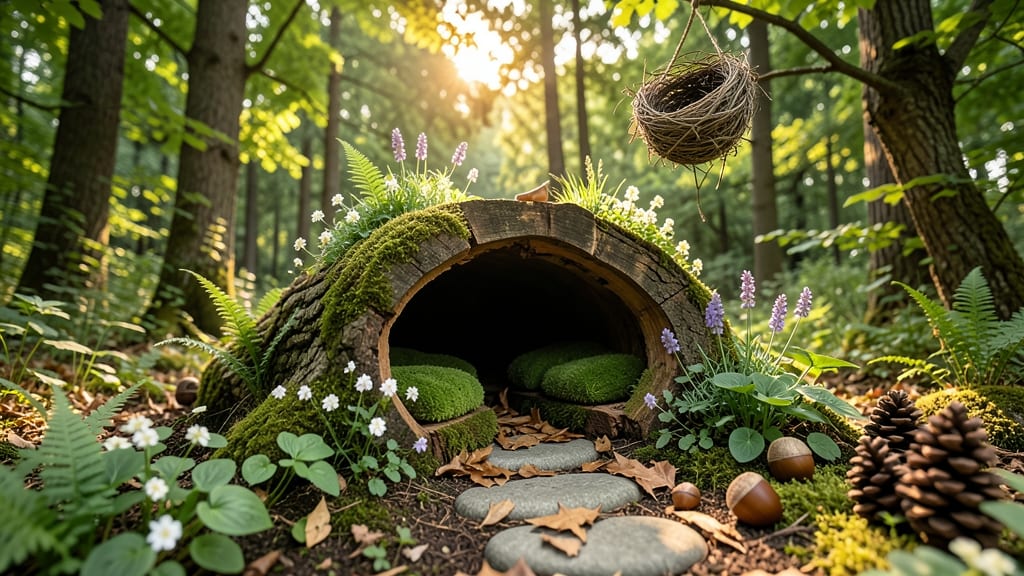
Transform your backyard into a magical learning playground with these preschool garden ideas. These sensory-rich spaces foster curiosity, fine motor skills, and a lifelong love for nature—all while keeping little hands busy and minds growing.
Sensory Herb Garden With Touchable Leaves
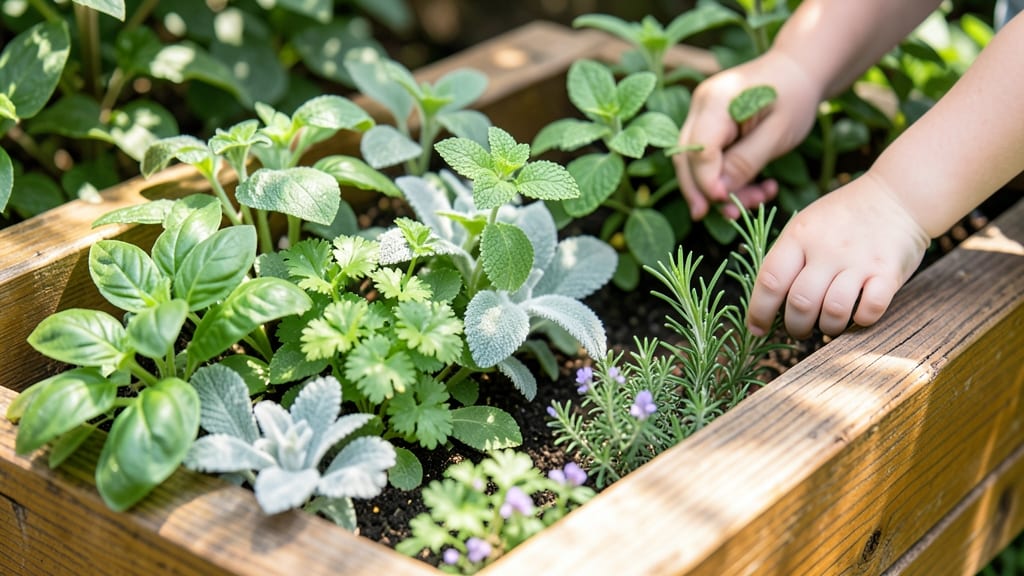
Turn everyday gardening into a tactile adventure with a sensory herb garden that lets kids explore textures while growing their own snacks. This isn’t just about planting—it’s about discovering the velvety softness of lamb’s ear, the cool, minty crunch of spearmint leaves, and the prickly surprise of rosemary needles—all in one raised bed.
Start with a wooden raised bed (safe from little hands) filled with well-draining soil. Plant lamb’s ear (Stachys byzantina) for its plush, silver-gray leaves, spearmint (Mentha spicata) for its cool, aromatic foliage, and rosemary (Rosmarinus officinalis) for its fragrant, needle-like stems. Place the bed in partial sun (4-6 hours daily) and water gently to keep soil moist but not soggy. Let kids harvest leaves to taste—mint is safe and delicious, while rosemary adds a piney flavor to snacks.
This garden is perfect for tactile learners, homeschoolers, or parents who want to combine gardening with sensory play. The contrast of textures keeps little hands engaged while teaching them about plant diversity and safe edible herbs. 🌿
Bug Hotel For Tiny Insect Investigators
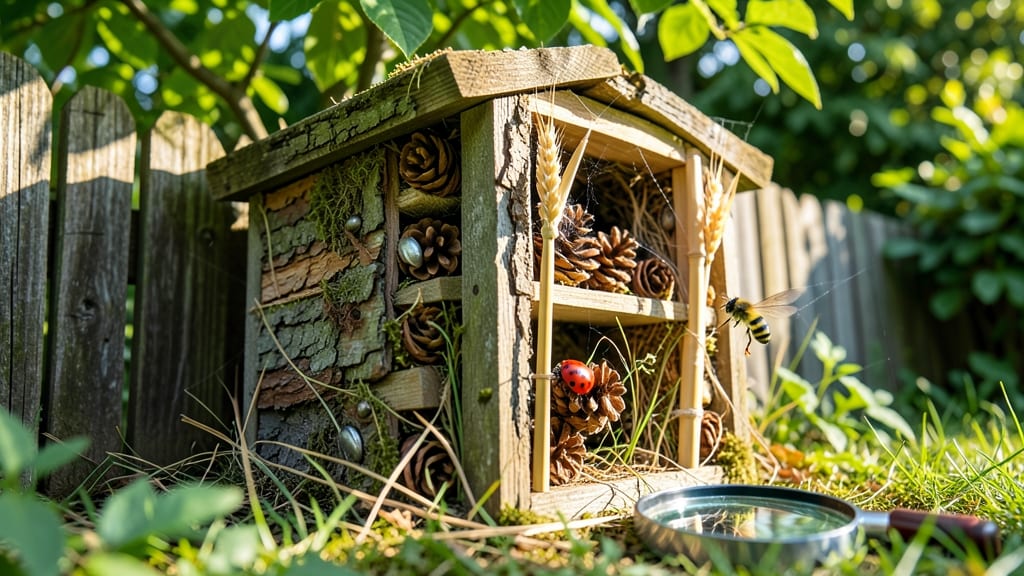
Turn your backyard into a mini wildlife lab with a bug hotel—a cozy, DIY habitat that invites ladybugs, bees, and spiders to move in. Kids will love watching their tiny guests arrive, especially when they use a magnifying glass to inspect the "rooms" made from hollow stems, pinecones, and bark.
Build yours with untreated wood (like pallets or logs) and fill it with natural materials: rolled-up newspaper for solitaries, bamboo canes for bees, and pine needles for spiders. Place it near host plants like milkweed or dill to attract visitors. Check it weekly—kids can record sightings with a simple chart or sketchbook.
This project is perfect for urban gardens or small spaces and teaches kids about ecosystems while nurturing empathy for insects. Plus, it’s a great way to observe life cycles up close! 🌿
Giant Seed Bomb Planters For Wildflower Magic
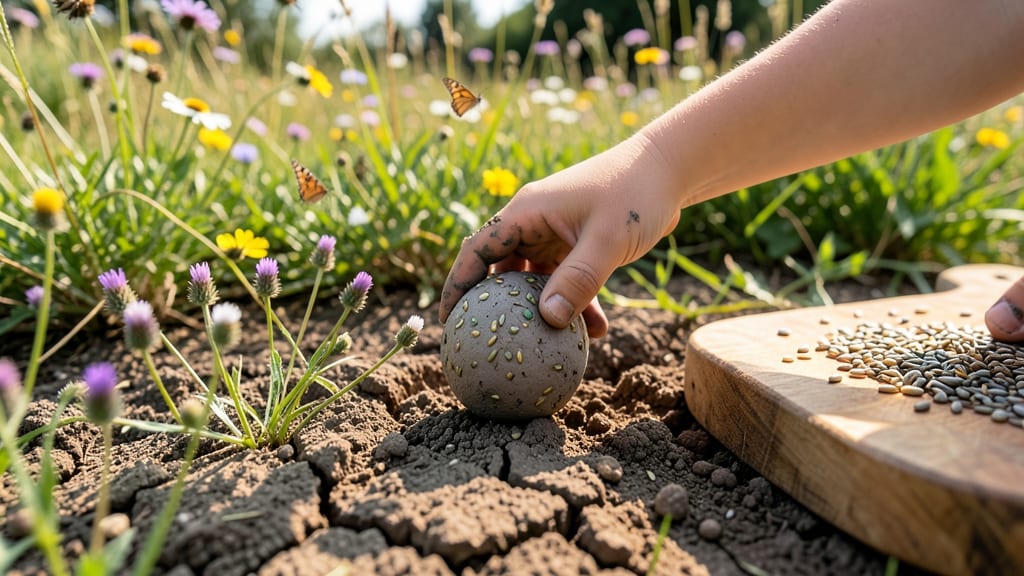
Turn bare patches into wildflower wonderlands with a preschooler’s favorite project—seed bombs! These easy-to-make clay balls let kids sculpt, toss, and watch colorful blooms sprout in just weeks, teaching them how seeds grow into vibrant ecosystems.
Mix air-dry clay with wildflower seeds, a pinch of compost, and water to form small balls. Let them dry, then toss into garden beds, cracks in sidewalks, or even pots. Choose native wildflowers like cosmos or black-eyed Susans for quick results and pollinator-friendly benefits.
This messy, magical activity works in any space—urban balconies or rural fields—and rewards kids with instant gratification. Perfect for little ecologists eager to see their creations transform the world! 🌻
Water Play Fountain With Edible Plants
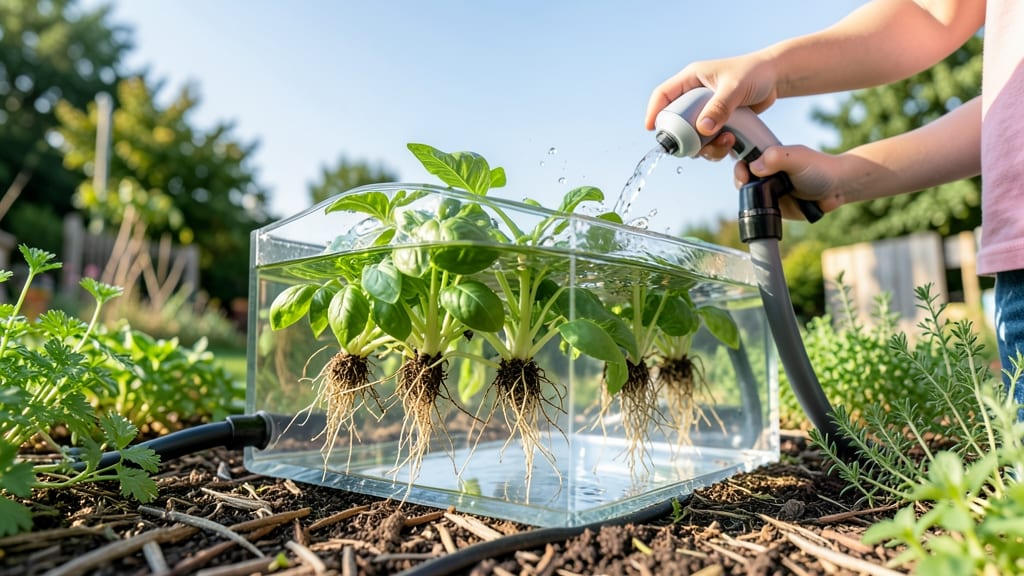
Turn water play into a science lesson with a hydroponic fountain where preschoolers can splash while growing their own food. This clear, shallow system lets kids watch lettuce or basil roots dangle in water as they pour, splash, and learn how plants drink.
Use a child-safe pump with smooth edges and non-toxic pebbles at the bottom to create gentle circulation. Plant fast-growing greens like butter lettuce or basil in floating rafts—harvestable in just 3-4 weeks. The transparent design lets them see roots growing, while the splashing water keeps them engaged.
Perfect for hot days or rainy afternoons, this setup teaches plant biology without mess. Plus, the edible harvest gives kids a tangible reward for their curiosity! 🌿
Mud Kitchen For Messy Plant-Based Cooking
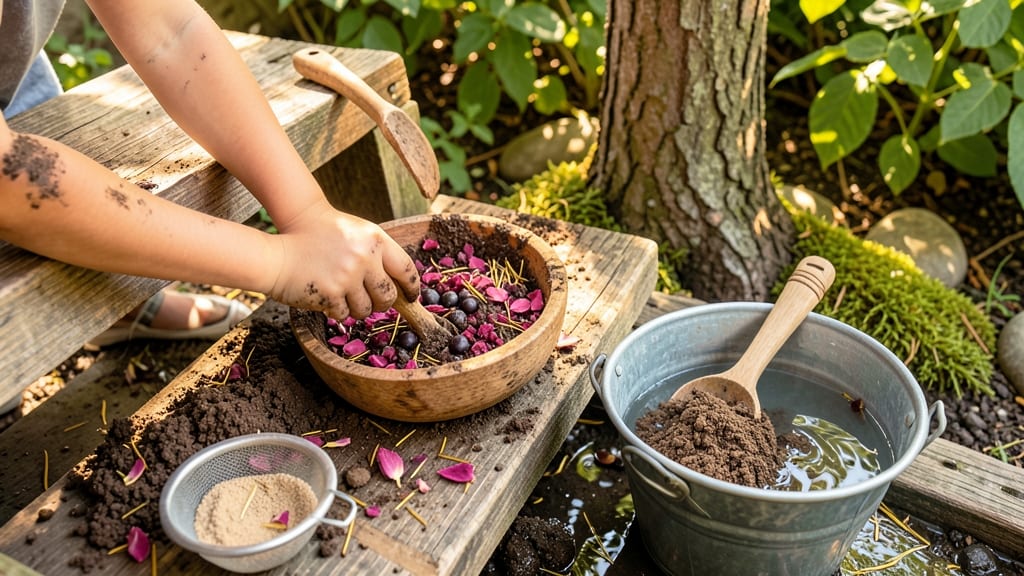
Turn messy play into a sensory science experiment with a mud kitchen—a dedicated outdoor space where kids mix soil, water, and natural ingredients like crushed flower petals, berries, or pine needles to create "recipes." This isn’t just play; it’s a hands-on way to explore textures, scents, and the science of decomposition while keeping little ones engaged for hours.
Build a simple station with a wooden table or stump, child-safe tools (wooden spoons, ladles, and small bowls), and a bin of organic "ingredients" like dried leaves, moss, or edible flowers. Add a water source for rinsing and a tray to contain spills. The key is to embrace the mess—kids will love stirring, scooping, and even "planting" their mixtures in small pots to watch what grows. This activity thrives in shaded areas to keep ingredients fresh and tools dry.
Perfect for sensory-seeking preschoolers or kids who need to move while learning, this setup doubles as a calm-down corner for wiggly hands. Plus, it’s a great way to introduce concepts like composting or pollination without worksheets. Let their creativity (and mud pies) flourish! 🌿
Sunflower Seed Tower For Growth Tracking
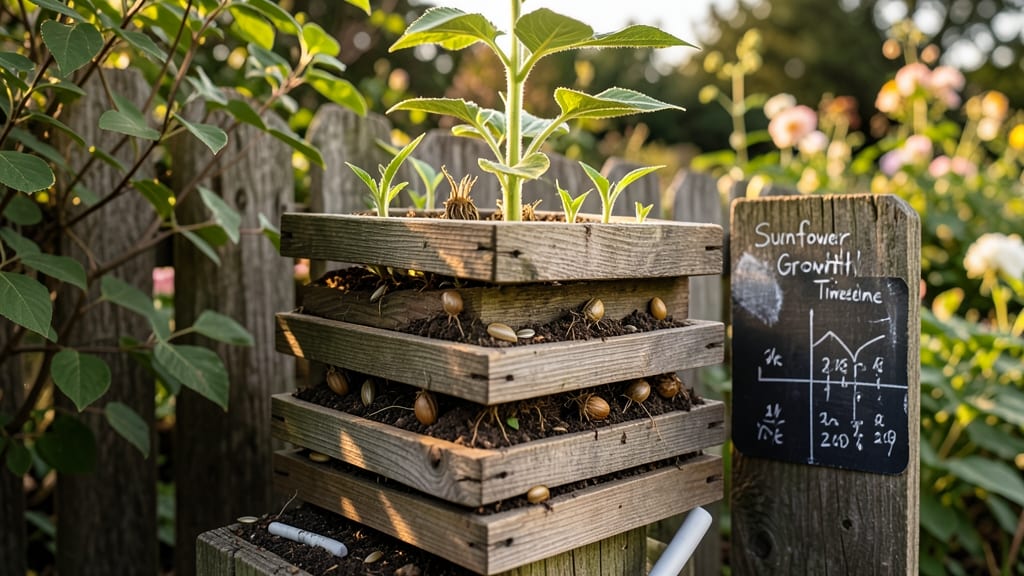
Turn waiting into a science lesson with a sunflower seed tower—a vertical planter where kids plant seeds at different levels and watch them race toward the sun. This hands-on project transforms patience into measurable progress as sprouts emerge and stretch upward.
Use a chalkboard marker to track growth weekly, marking heights in inches on a simple chart. Choose fast-growing sunflower varieties like 'Moulin Rouge' (red blooms) or 'Autumn Beauty' (multi-colored) for vibrant results. Place the tower in full sun and water lightly to keep soil moist but not soggy.
Perfect for classrooms or backyards, this activity builds math skills (measuring) and biology basics (photosynthesis) while delivering instant gratification. Watch little gardeners cheer as their tower becomes a living timeline of growth! 🌻
Scented Flower Path With Stepping Stones
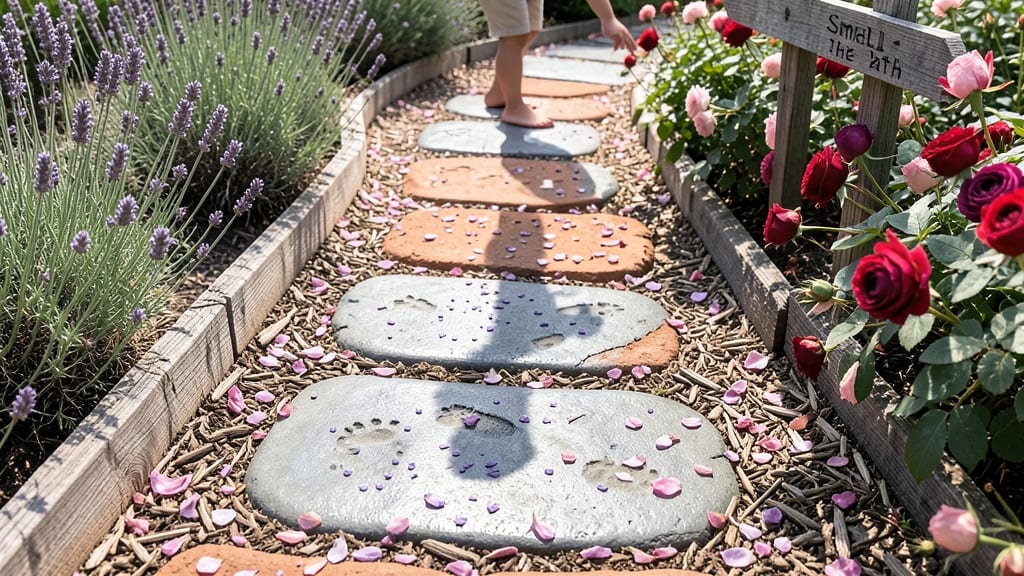
Create a fragrant adventure path where every step sparks curiosity! Use lavender-infused stepping stones (mix lavender buds into concrete mix) or rose petal-embedded pavers (press dried petals into clay before baking) to let kids stomp through a garden that smells as good as it looks.
Line the path with thyme, basil, and chamomile—herbs that release their scents when brushed against. Add a low border of marigolds for bright color and pest-repelling benefits. This setup turns a simple walk into a multi-sensory journey, perfect for preschoolers who love to explore with their feet and noses.
Best for outdoor classrooms or backyard play areas, this path requires minimal maintenance and grows more magical with each season. 🌿
DIY Bird Feeder Garden With Suet Blocks
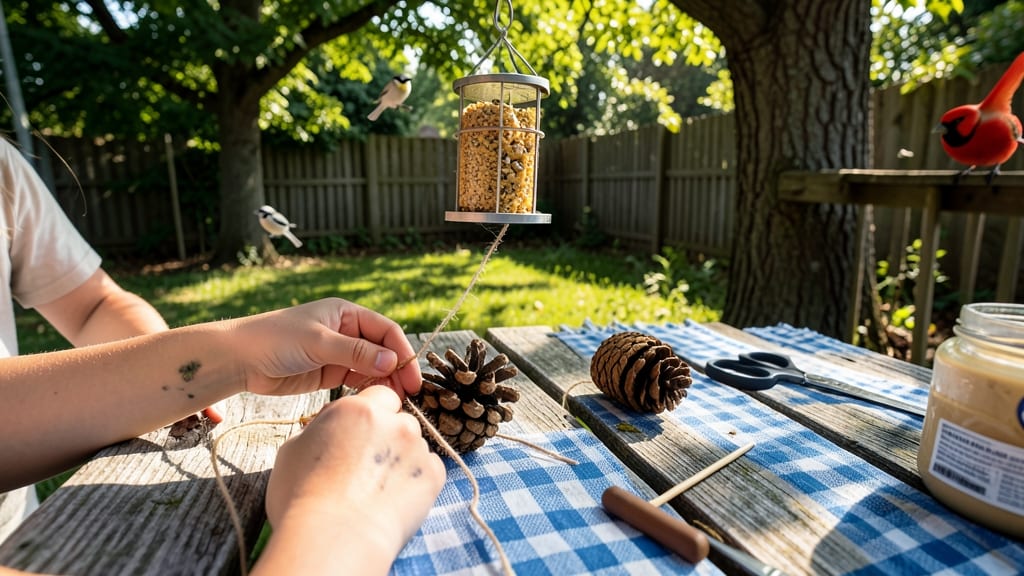
Turn your backyard into a wildlife classroom where kindness and science meet! Kids can create simple bird feeders using suet blocks—a high-energy treat that attracts chickadees, woodpeckers, and cardinals. This hands-on project teaches responsibility while sparking joy as feathered friends become daily visitors.
Start with pinecone feeders: Spread suet over pinecones, roll them in birdseed, and hang them from a tree branch using twine. For a mess-free option, use melon rind feeders—slice a cantaloupe in half, fill with suet, and suspend it upside down. Place feeders near shrubs or dense foliage so birds feel safe while being visible to little observers.
Watch as kids develop empathy and curiosity by naming their bird visitors (like "Mr. Blue Jay") or sketching them in a nature journal. Perfect for urban gardens or small spaces, this activity connects children to nature’s rhythms—no green thumb required! 🌻
Shadow Garden With Giant Sun Prints
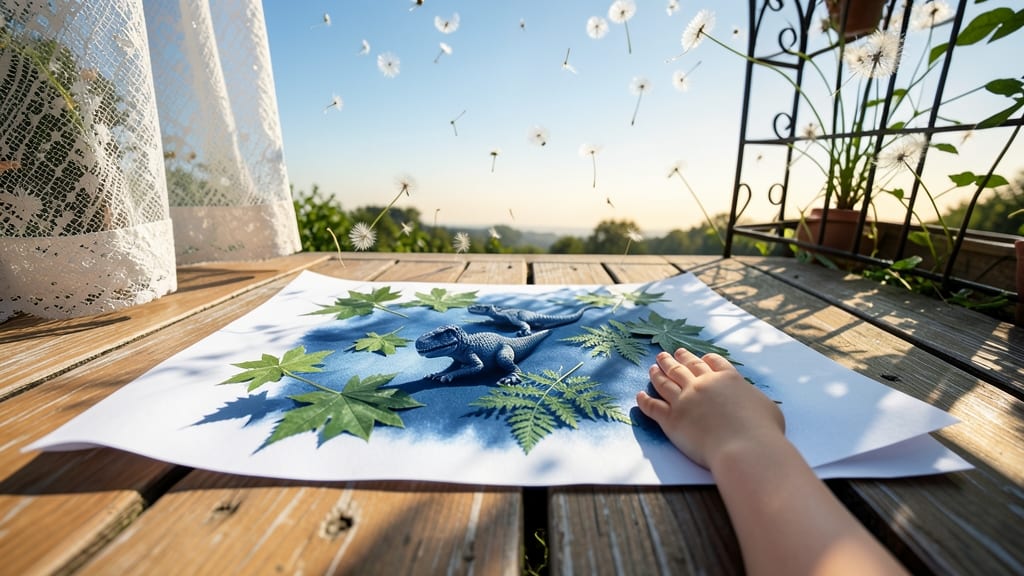
Turn sunlight into a science experiment with a shadow garden where kids become light detectives! Using cyanotype paper, they arrange leaves, toys, or even their own hands to create giant blueprints of shadows that develop in minutes under the sun.
Start with a small patch of direct sunlight and let kids place objects on the paper, then cover with a tray to expose it for 5-15 minutes. Rinse with water to reveal stunning blue-and-white prints—perfect for discussing how light and objects interact. Add a magnifying glass to examine shadow details up close!
This activity thrives in urban or backyard spaces and works year-round, making it ideal for classrooms, parks, or home gardens. Watch their curiosity bloom as they discover how shadows change with time and object placement! ✨
Fairy House Garden With Miniature Plants

Turn storytelling into a living garden with a fairy house garden where kids create their own miniature worlds using natural materials and dwarf plants. This project blends creativity and botany—perfect for little ones who love make-believe and nature. Start with a base like a hollowed-out log or stacked stones, then let them decorate with moss, pebbles, and tiny flowers like miniature roses or sweet alyssum.
Use shallow containers (like old teacups or acorn caps) for fairy gardens to keep soil contained. Plant slow-growing, low-maintenance options like miniature ferns or creeping thyme to avoid overgrowth. Add twigs for fences or flower petals for paths—every detail becomes part of their story. This project thrives on open-ended play, so there’s no wrong way to design it!
Best for imaginative preschoolers (or their parents!), this garden grows both plants and creativity—no green thumb required. The best part? Their fairy houses can evolve as they do, making it a year-round project. ✨