
Shrubs
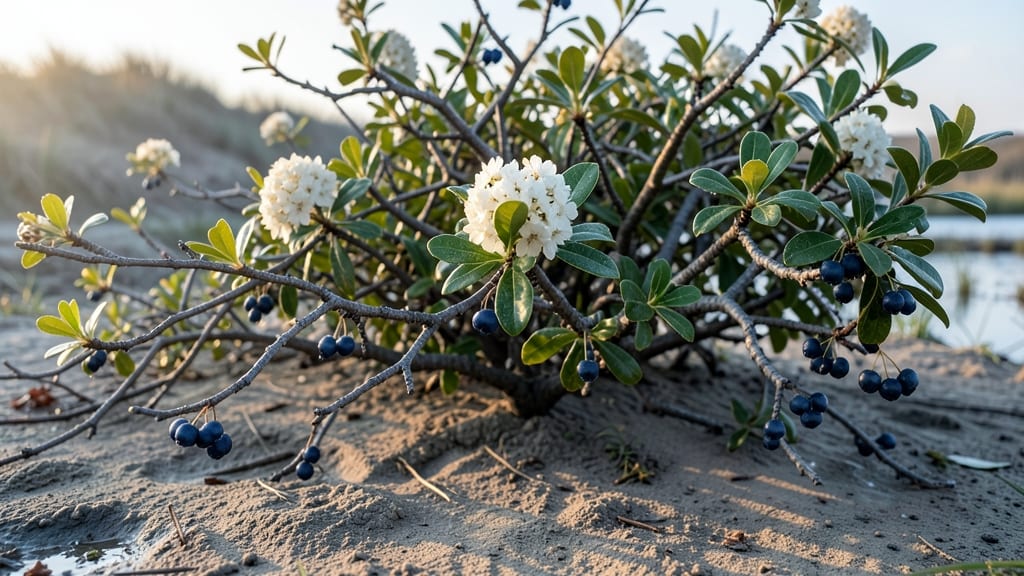
Transforming soggy yard spaces into beautiful, functional rain gardens starts with the right shrubs. These 10 native rain garden shrubs not only handle wet conditions effortlessly but also attract pollinators and support local ecosystems with minimal maintenance.
Buttonbush with Fragrant White Flowers
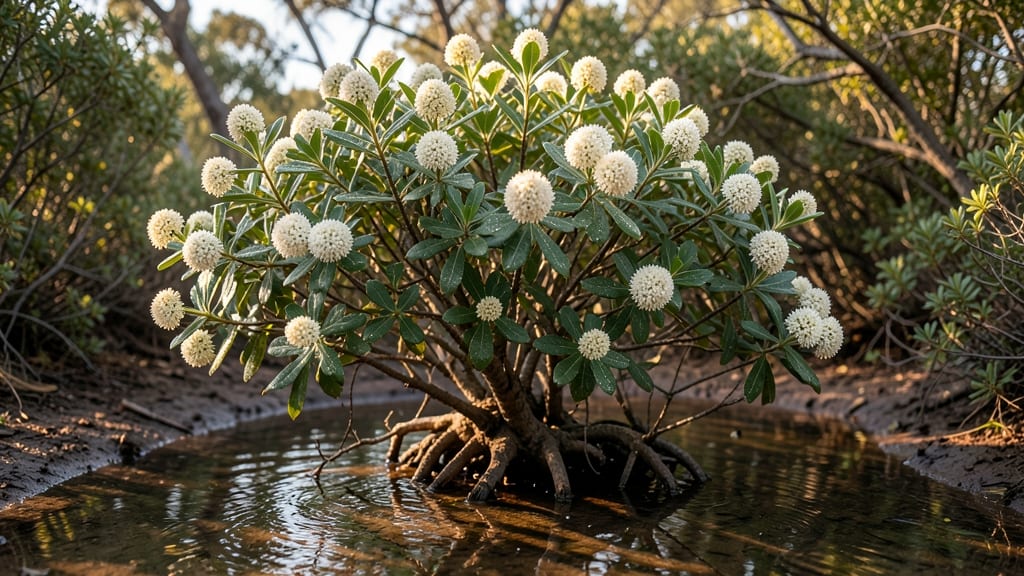
Turn that soggy corner of your yard into a fragrant, wildlife-friendly oasis with buttonbush (Cephalanthus occidentalis). This native shrub thrives in standing water—yes, even submerged roots—and bursts into spherical white blooms that release a sweet, spicy fragrance when crushed. Butterflies and bees adore its nectar-rich flowers, making it a pollinator powerhouse.
Buttonbush grows 6–12 feet tall and wide, creating a natural privacy screen perfect for rain garden borders or pond edges. It tolerates full sun to partial shade and prefers moist, slightly acidic soils, though it’s adaptable once established. Prune lightly after flowering to maintain shape, but avoid heavy cuts—its dense growth is its charm.
Ideal for gardeners who want low-maintenance beauty with high ecological value, buttonbush is especially great for urban wetlands or areas prone to seasonal flooding. Plant it solo as a statement shrub or pair it with other moisture-loving plants for a lush, layered look. 🌿
Swamp Azalea for Year-Round Interest
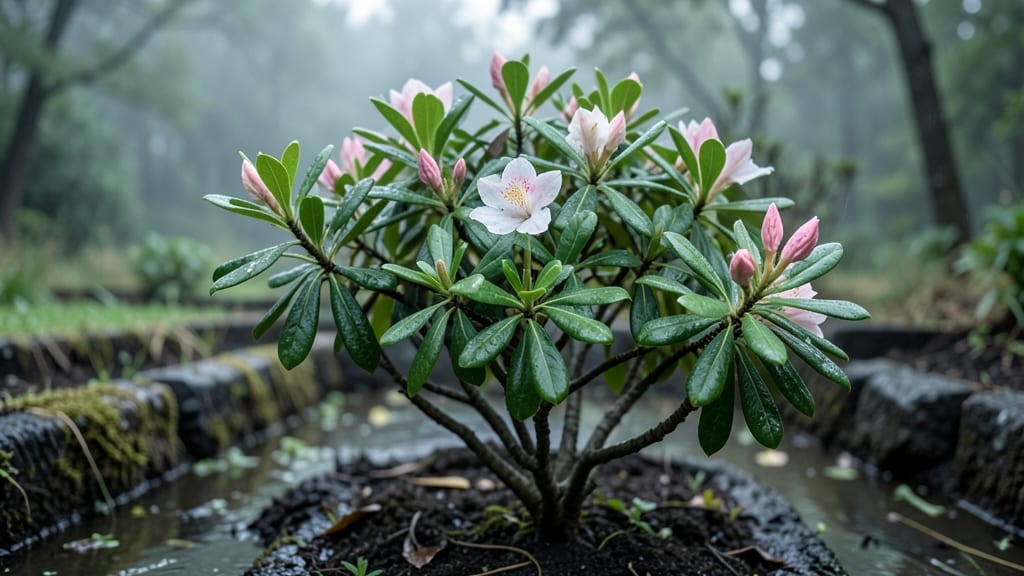
Tired of soggy borders that look bare after blooms fade? The swamp azalea keeps your rain garden vibrant all year with its evergreen foliage and delicate spring flowers. Unlike seasonal shrubs, this native beauty thrives in saturated soils while providing structure and color that lasts.
Plant it where morning sun filters through trees—it tolerates partial shade and acidic, moist soils perfectly. Prune lightly after flowering to maintain shape, and watch as its glossy leaves create a lush backdrop for other wetland plants. The pink or white blooms appear in late spring, attracting pollinators while adding a soft contrast to rain garden borders.
Ideal for gardeners who want low-maintenance beauty, this shrub adds year-round interest without the upkeep of seasonal plants. Perfect for borders, woodland edges, or foundation plantings. 🌿
Arrowwood Viburnum for Wildlife Support
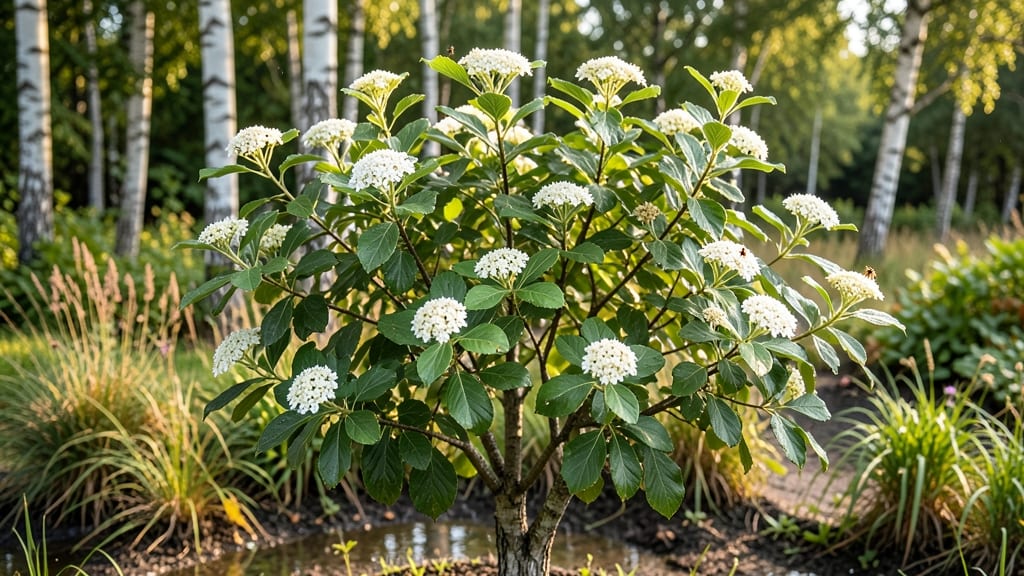
If you want a low-maintenance shrub that doubles as a wildlife buffet, arrowwood viburnum is your answer. This native beauty thrives in both wet and moderately dry soils, making it a versatile star for rain gardens or edges of woodlands.
Its fragrant white flower clusters bloom in late spring, attracting butterflies, bees, and birds that feast on the berries that follow. Unlike fussy shrubs, it handles seasonal flooding and drought once established, while its glossy foliage stays lush year-round. Plant it as a privacy screen or mixed border—its rounded shape adds soft structure without overwhelming smaller spaces.
Perfect for gardeners who want wildlife support without extra work, arrowwood viburnum is especially great for urban gardens or small yards where space is limited but pollinators are welcome. 🌟
Spicebush for Seasonal Color Changes
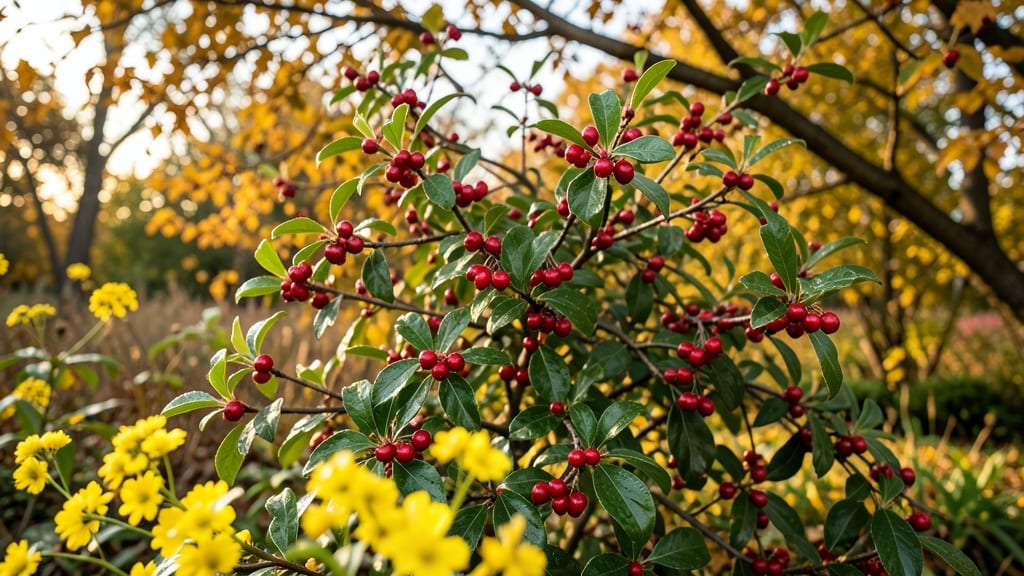
If you want a shrub that delivers four seasons of interest without the fuss, spicebush is your secret weapon. This native beauty bursts into bright yellow flowers in spring, followed by glossy green foliage that turns golden in fall—then transforms into clusters of red berries that birds adore. The berries aren’t just pretty; they’re a feast for wildlife, naturally controlling pests like Japanese beetles and spider mites by attracting their predators.
Spicebush thrives in the moist, acidic soils typical of rain gardens, making it a low-maintenance choice for shady to partially sunny spots. Plant it near borders or woodland edges where its 3-6 foot height adds layered texture. Prune lightly in late winter to shape, but avoid heavy cuts—this shrub rewards patience with decades of reliable color and ecological benefits.
Perfect for gardeners who love seasonal variety but hate high-maintenance plants, spicebush is especially great for woodland gardens or rain garden backdrops where its berries provide late-season food for birds. 🌟
Silky Dogwood with Unique Bark Texture
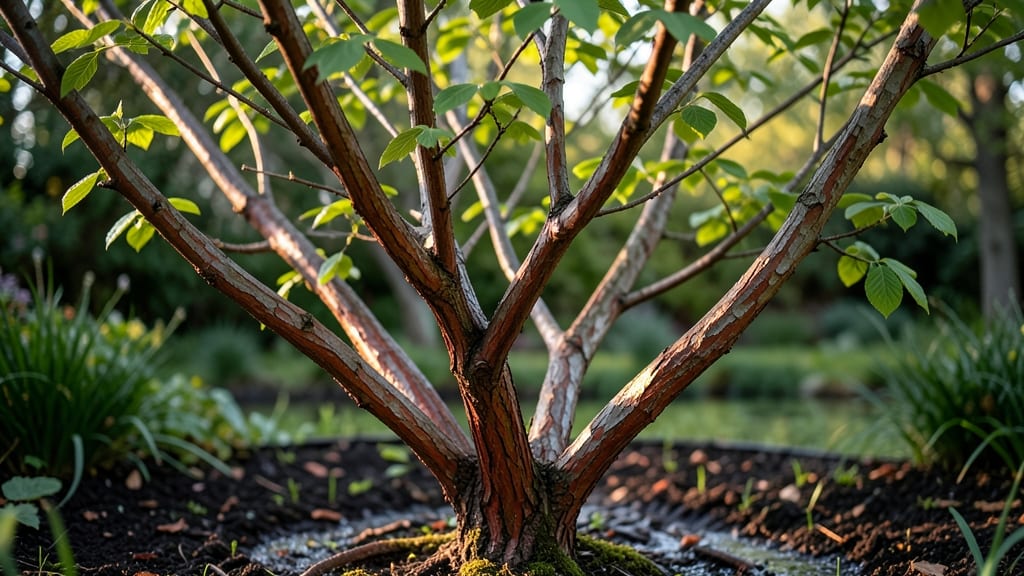
Looking for a shrub that turns heads even in winter? Silky dogwood (Cornus amomum) delivers stunning visual interest year-round with its exfoliating bark that reveals rich reddish hues beneath. This native woodland beauty thrives in the dappled shade and moist soils of rain gardens while handling seasonal flooding with ease.
The white summer flowers appear in late spring, followed by clusters of blue-black berries that birds adore. Unlike other shrubs, its peeling bark adds texture and warmth to winter landscapes, making it a standout focal point. Plant it in groups of three or more for maximum impact, spacing them 4-6 feet apart in well-drained, moist soil with partial shade.
Perfect for woodland gardeners and those seeking low-maintenance shrubs, silky dogwood brings drama without demanding constant care. 🌟
Highbush Blueberry for Edible Benefits
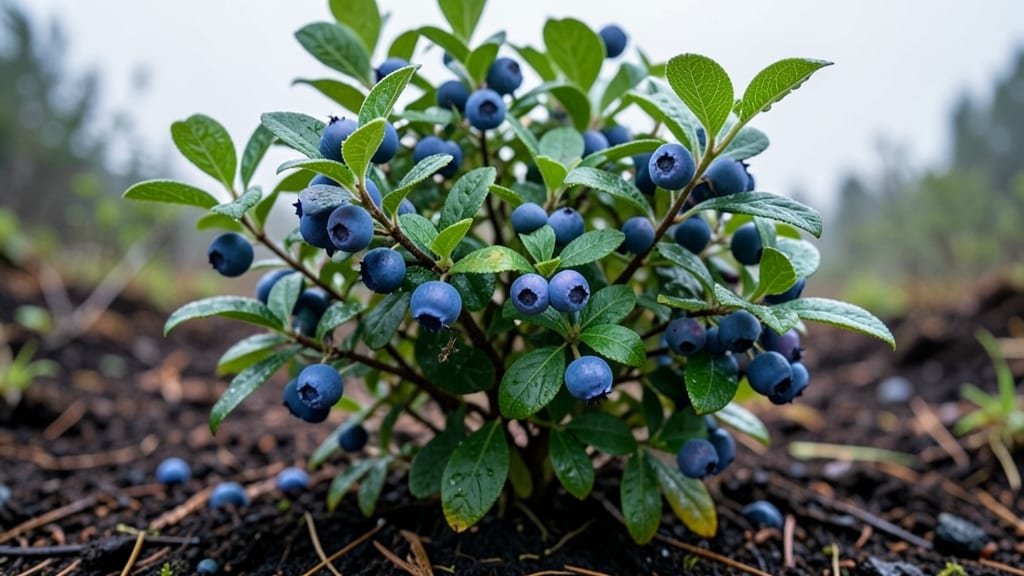
Want a shrub that does double duty—stabilizing soggy soil while delivering a harvest of juicy blueberries? Highbush blueberry is your answer, thriving where other plants struggle in acidic, moist conditions while feeding pollinators year-round.
This edible shrub produces abundant berries in late summer, perfect for jams, fresh eating, or attracting birds. Plant it in full sun to partial shade with a thick layer of organic mulch to retain moisture and acidify the soil. Unlike many rain garden shrubs, highbush blueberry rewards you with edible fruit while supporting local ecosystems.
Ideal for gardeners who want both beauty and bounty, it’s especially great for urban rain gardens where space is limited but soil stays damp. 🌻
Sweet Pepperbush for Hummingbird Magnet
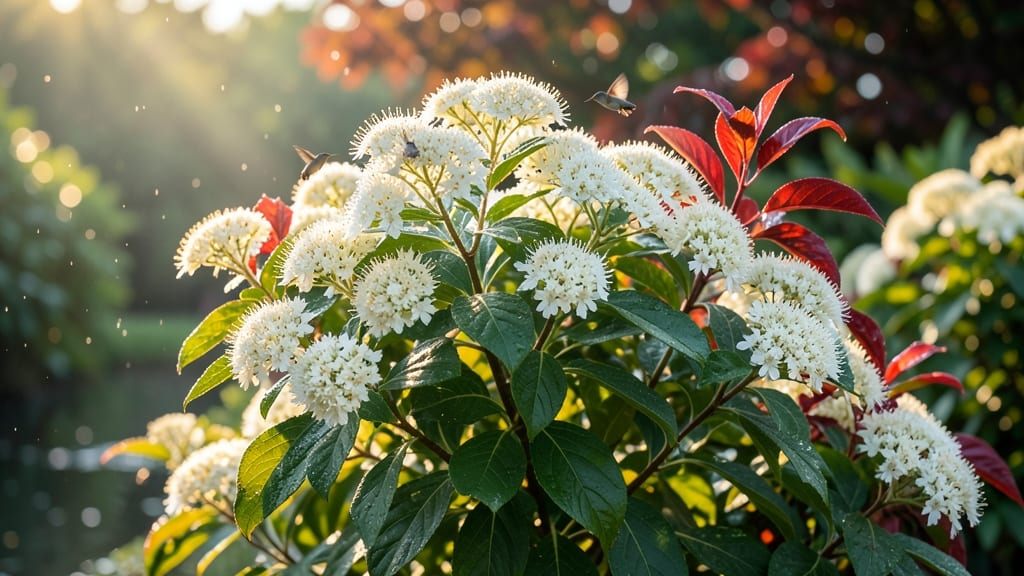
Want a shrub that turns your rain garden into a hummingbird hotspot while adding a dramatic color show? The sweet pepperbush (Clethra alnifolia) delivers with its fragrant white summer blooms and fiery red fall foliage—a rare combination that keeps your garden buzzing with activity.
This native shrub thrives in both wet and dry periods once established, making it a reliable choice for rain gardens. Plant it in partial shade to full sun and watch as hummingbirds flock to its nectar-rich flowers, while the fall foliage provides a stunning contrast. It also tolerates a range of soil types, from acidic to neutral.
Perfect for gardeners who love seasonal interest without high maintenance, sweet pepperbush is ideal for borders, woodland edges, or as a focal point in rain garden designs. 🌻
Witch Hazel for Late Season Beauty
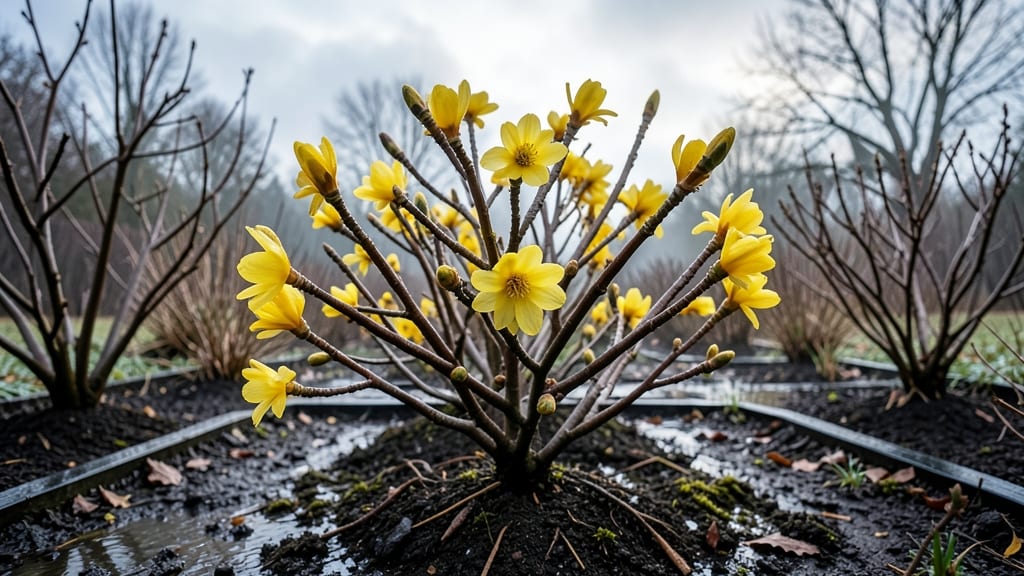
When other shrubs have long since faded into winter dormancy, witch hazel bursts onto the scene with its striking yellow flowers that bloom from late fall through winter. This native beauty thrives in saturated soils, making it a standout choice for rain gardens where few other plants dare to shine.
The arching branches create dynamic movement in the garden, while its tolerance for wet conditions means you won’t have to worry about soggy roots. Plant it in partial shade to full sun for best results, and enjoy the fragrant blooms that attract late-season pollinators. Prune lightly in late winter to maintain shape.
Perfect for gardeners who want year-round interest with minimal fuss, witch hazel adds both structure and seasonal color to rain garden designs. 🌟
Inkberry Holly for Evergreen Privacy
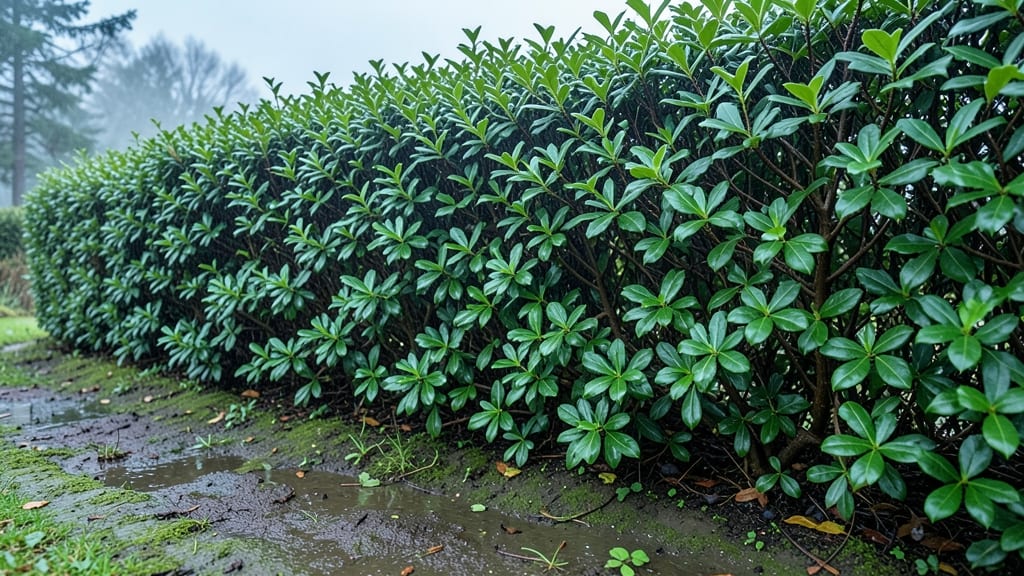
Tired of soggy yard edges that look messy year-round? Inkberry Holly is your secret weapon for a lush, deer-resistant hedge that thrives in wet soils and stays green even in winter. Unlike many shrubs, it doesn’t need perfect drainage—just a spot that stays damp or gets occasional standing water.
This evergreen shrub grows 3–6 feet tall with a dense, rounded shape, making it perfect for foundation plantings or privacy screens. The dark green, glossy leaves block views while adding texture to your landscape, and it handles both sun and shade. Prune lightly in late winter to shape it, but avoid heavy cuts—it responds best to minimal intervention.
Homeowners with wet corners or those frustrated by deer browsing will love this low-maintenance option. It’s also a great choice for urban gardens where space is tight but privacy is needed. 🌿
Bayberry for Coastal Rain Garden Use

If you live near the coast or struggle with seasonal flooding, bayberry is the unsung hero of rain gardens. This salt-tolerant shrub thrives where others falter, offering fragrant white blooms and edible blue berries that birds adore—while requiring almost no fuss.
Bayberry handles soggy, sandy, or salty soils with ease, making it ideal for shoreline gardens or low-lying areas. Its aromatic foliage doubles as a natural air freshener, and the berries add a pop of color from fall through winter. Plant it in full sun to partial shade and watch it spread into a dense, wildlife-friendly hedge.
Perfect for coastal gardeners or those with high-water tables, bayberry brings both beauty and function to rain gardens without demanding special care. 🌟