
Tools
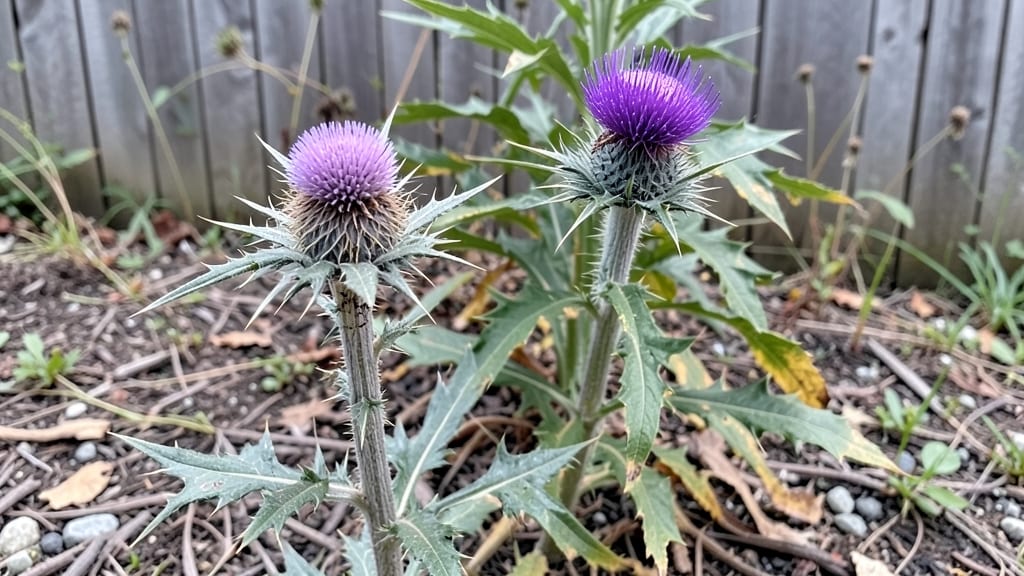
Spiky weeds like thistles and bindweed aren’t just annoying—they’re a natural defense system your garden didn’t ask for. I’ve wrestled with these prickly invaders for years, and I’ll show you how to turn the tide without gloves, heavy machinery, or toxic sprays.
The key is knowing which ones you’re dealing with first.
Thistles and bindweed spread differently, so your removal strategy changes. Thistles pull straight up with a sturdy fork, while bindweed’s deep roots demand patience and repeated attacks. I’ve found that a mix of manual digging, smothering with cardboard, and targeted organic sprays keeps them from staging a comeback.
Safety first: wear long sleeves and thick gloves—those spines don’t forgive mistakes.
Once you’ve cleared them out, the real work begins: preventing regrowth. Mulching with thick layers of straw or wood chips blocks sunlight where weeds need it most.
I’ve seen gardens go from overrun to peaceful in just one season with this approach. The payoff? A yard where you can walk barefoot again.
This works for any garden size, from small flower beds to sprawling yards. The tools you need are simple: a fork, some mulch, and a little elbow grease. Let’s get those spiky troublemakers out for good.
The Hidden Triggers Behind Thorny Invaders
If your garden has become a battleground of prickly, unwanted plants, you’re not alone. These spiky intruders don’t just pop up by accident—they thrive because of specific conditions in your soil, climate, and even your gardening habits.
Understanding the why behind their persistence is the first step to reclaiming your space. Let’s break down the science and real-world factors that turn your yard into a weed wonderland.
Weeds—especially the spiky kind—love disrupted soil. Every time you dig, till, or even walk on garden beds, you loosen the earth, creating the perfect conditions for weed seeds to germinate. Here’s how it works:
- Seed banks awaken: Most weed seeds lie dormant in the soil until disturbed. A single square foot of undisturbed ground can hold thousands of seeds, waiting for sunlight and space to sprout.
- Root competition drops: When you remove plants (even weeds), you eliminate their root systems, which naturally suppress other seeds. Without this competition, spiky weeds like stinging nettle or thistle shoot up unchecked.
- Moisture and nutrients rise: Tilling aerates the soil, making water and nutrients more accessible to weed roots. Some weeds, like bindweed, even grow deeper roots in response to disturbance, making them harder to eradicate.
Actionable fix: Minimize tilling and opt for mulching or sheet composting to protect soil structure. If you must dig, do it in dry conditions to reduce seed activation.
Water is life—but too much of it turns your garden into a weed magnet. Spiky weeds thrive in moist, saturated soil because:
- Fast germination: Seeds like dandelions and purslane germinate within days of consistent moisture. Even a light sprinkle can trigger growth.
- Shallow root systems flourish: Weeds with spiky stems (e.g., creeping charlie) often have surface-level roots that soak up excess water, outcompeting deeper-rooted plants.
- Fungal hitchhikers: Overly wet soil encourages mycorrhizal networks—fungal threads that help weeds spread their seeds and nutrients faster.
Actionable fix:
- Water deeply but infrequently (1-2 inches per week) to encourage deep plant roots.
- Install drip irrigation or soaker hoses to target plant roots, not weed seeds.
- Avoid watering in the evening—moisture overnight invites fungal growth.
While most plants need sunlight, some weeds are solar-powered opportunists. Spiky invaders like goosegrass or crabgrass rely on:
- Direct sunlight for photosynthesis: These weeds grow aggressively in full sun because they photosynthesize faster, producing more seeds.
- Heat acceleration: Warmth speeds up their metabolic rate, leading to rapid seed production. Some weeds can release 15,000+ seeds per plant in a season!
- Competition suppression: In sunny areas, desirable plants (like perennials) often struggle, leaving open space for weeds to dominate.
Actionable fix:
- Use shade cloth or plant tall, dense shrubs to block sunlight in problem areas.
- Mulch with wood chips or straw to reduce light penetration to the soil.
- Choose native ground covers that outcompete weeds in sunny spots.
Fertilizer isn’t just for your prized plants—it’s a buffet for weeds. High-nitrogen or phosphorus-heavy soils give spiky weeds a growth advantage because:
- Rapid leafy growth: Weeds like chickweed and plantain respond instantly to nitrogen, producing more foliage (and seeds) faster.
- Deep root penetration: Phosphorus-rich soil helps weeds develop extensive root systems, making them harder to pull.
- Seed viability boost: Nutrient-rich conditions increase the germination rate of weed seeds by up to 40%.
Actionable fix:
- Test your soil and fertilize sparingly—focus on slow-release, organic options like compost.
- Use corn gluten meal (a natural pre-emergent) to starve weed seeds without harming plants.
- Avoid synthetic lawn fertilizers near garden beds—they leach into soil and fuel weeds.
Spiky weeds aren’t just random pests—they’re strategic survivors exploiting your garden’s weak spots. By addressing disturbed soil, overwatering, excess sun, and nutrient overload, you’ll starve them out before they take over. Next up: How to Outsmart Them Naturally.
Tame Your Thorny Invaders Naturally
Got a garden overrun by spiky, stubborn weeds that turn every stroll into a prickly nightmare? Don’t reach for harsh chemicals just yet—there are effective, eco-friendly ways to reclaim your green space without sacrificing your plants (or your conscience).
Below, we’ve mapped out practical solutions tailored to the root causes of your weed woes, plus prevention tips to keep them from staging a comeback.
Cause: Weeds thrive in compacted or nutrient-rich soil where your desired plants struggle. Fix:
- 🔥 Hand-Pull Early & Often – Grab weeds at the base (use gloves!) when soil is damp (they’re easier to remove). Focus on young shoots before they spike up.
- 🍳 Mulch Like a Pro – Spread 2–4 inches of organic mulch (wood chips, straw, or shredded leaves) to block sunlight and smother seeds. Pro tip: 💡 Avoid plastic mulch—it traps heat and encourages weeds to grow faster.
- 👨🍳 DIY Weed Barrier – Lay cardboard or thick newspaper under mulch in high-weed zones. Wet it first to prevent blowing away!
Prevention: ✅ Aerate soil annually with a garden fork to reduce compaction. ✅ Plant densely—crowded flowers/veggies leave less room for weeds to sprout.
Cause: Cracks in walkways or sunny patches create microclimates where weeds like bindweed or crabgrass flourish. Fix:
- 🔪 Boiling Water Treatment – Pour 1–2 cups of boiling water directly onto weed roots (avoid desirable plants!). Works best on broadleaf weeds like dandelions.
- 🥘 Saltwater Spray (Use Sparingly!) – Mix 1 gallon warm water + 1 cup salt + 1 tbsp dish soap. Spray on weeds (not grass)—the salt dehydrates them. Warning: 🌡️ Only for driveways/cracks, not garden beds (harms soil over time).
- ⏰ Solarize Problem Areas – Cover weeds with clear plastic sheeting for 4–6 weeks in summer. The trapped heat cooks them alive (great for bare soil patches).
Prevention: 🔥 Water deeply but infrequently to encourage deep roots in plants (weeds hate competition). 🎯 Install edging (metal, stone, or bricks) to block weed creep from lawns to beds.
Cause: Damp, shaded areas (like under trees or near downspouts) breed moss, clover, or creeping Charlie. Fix:
- 🍎 Vinegar Weed Killer – Mix 1 gallon white vinegar + 1 cup dish soap + 1 cup salt. Spray on weeds on a sunny day (avoids burning nearby plants). Best for: Sidewalks, gravel, and non-organic areas.
- 🌡️ Corn Gluten Meal – Sprinkle 20 lbs per 1,000 sq ft in early spring to prevent weed seeds from germinating (safe for organic gardens).
- 🔪 Dig Out Persistent Roots – For bindweed or nutgrass, use a dandelion digger or hose nozzle to flush out roots. Pro tip: 💡 Reapply mulch to starve regrowth.
Prevention: ✨ Improve drainage with sand or gravel in soggy spots. ✨ Plant shade-tolerant ground covers (like creeping thyme or clover) to outcompete weeds.
Cause: Weak soil, poor planning, or ignoring early signs lets weeds dominate. Fix:
- 🌱 Choose Competitive Plants – Opt for fast-growing, dense ground covers (e.g., creeping jenny, ajuga, or micro clover) that smother weeds naturally.
- 🔪 Install Physical Barriers –
- Landscape fabric (biodegradable options available) under mulch.
- Gravel or bark dust in high-traffic areas (weeds hate disturbed soil).
- 🌡️ Solar-Powered Weed Torches – For stubborn patches, use a propane torch (hold 2–3 inches above weeds) to singe foliage without chemicals.
Prevention: 🎯 Pull weeds weekly (they’re easier to remove young!). 💪 Feed soil with compost—healthy plants resist weeds better.
Final Reminder: 🌿 Consistency is key! Weeds don’t vanish overnight, but with smart tactics + prevention, your garden can go from prickly battleground to peaceful retreat in a season. Pick one method that fits your space, stick with it, and watch those spiky invaders retreat for good.
Frequently asked questions
What are the most common types of spiky weeds I should watch for?
Look for thistles (with their sharp, spiny leaves), bindweed (heart-shaped leaves with deep roots), and stinging nettle (hairy stems that burn on contact). Other troublemakers include goosegrass (tiny but aggressive) and crabgrass (spiky seed heads). Identifying them early makes removal easier!
Are there safe ways to remove spiky weeds without chemicals?
For young weeds, pull them by hand when soil is damp. Use boiling water or a vinegar spray (1 gallon vinegar + 1 cup dish soap) for tougher patches. For deep-rooted weeds like bindweed, dig with a fork or use a dandelion digger to avoid regrowth.
How can I prevent spiky weeds from coming back?
Start with a 2–4 inch layer of mulch (wood chips or straw) to block sunlight. Plant dense ground covers like clover or creeping thyme to outcompete weeds. Water deeply but infrequently to encourage deep plant roots, and aerate soil annually to reduce weed seed activation.
What’s the best time of year to tackle spiky weeds?
Spring and early summer are ideal—weeds are young and easier to pull. In fall, focus on preventive measures like mulching or applying corn gluten meal (a natural pre-emergent). Avoid treating in winter when soil is frozen or dormant.
Can spiky weeds harm my pets or children?
Yes! Stinging nettle and thistles can cause painful skin reactions, while some weeds (like poison ivy) trigger allergic rashes. Keep kids/pets away while removing weeds, and wear long sleeves and gloves to avoid prickly surprises.