
Tools
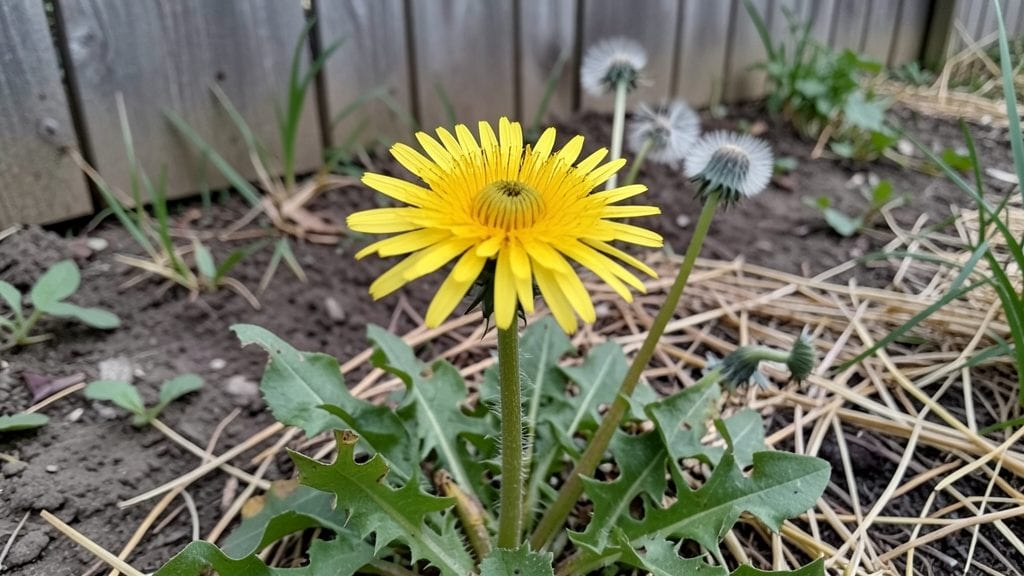
Identifying garden weeds starts with knowing what to look for before they take over. I’ve spent years pulling plants I thought were weeds—only to realize they were edible greens or native wildflowers that actually help the garden.
The key is leaf shape, growth pattern, and how they cling to your soil or crowd your plants.
Take dandelions, for example: their jagged leaves and milky sap are dead giveaways, but young chickweed looks identical until you notice its tiny star-shaped flowers. A magnifying glass or a weed-identification app (like PlantNet) can be a game-changer when you’re staring at a mystery plant.
I keep one on my phone for those “is this a weed or not?” moments.
Once you spot the difference, removal gets easier—pull early, before weeds set seed, and you’ll save yourself hours of backbreaking work later. The right tools (a sturdy weeder or even a butter knife) make all the difference.
You’ll start seeing your garden’s true potential instead of a sea of green confusion.
This works for any garden—vegetable beds, flower patches, or even sidewalk cracks. The sooner you recognize them, the sooner you can reclaim your space. Let’s get those weeds out for good.
The Hidden Triggers Behind Weeds
Weeds don’t just appear out of nowhere—they thrive because of specific conditions in your garden. Understanding these triggers is the first step to preventing them before they take over. Here’s why weeds pop up where they shouldn’t, and what’s really fueling their growth.
Weeds love chaos. Every time you till, dig, or even walk on your soil, you’re creating space for dormant weed seeds to germinate. Many weeds, like crabgrass and chickweed, have seeds that lie dormant in the soil for years, waiting for the perfect moment to sprout.
Why it happens:
- Seed banks: Undisturbed soil keeps weed seeds buried and inactive. But when you loosen the top layer (even with a shovel or foot traffic), sunlight and moisture trigger germination.
- Nutrient-rich gaps: Weeds exploit bare spots left by dead plants or poor mulching. Without competition from grass or ground cover, they seize the opportunity to spread.
- Root disruption: Some weeds, like dandelions, release seeds when their roots are disturbed. A single pull can send hundreds of seeds flying into the air.
💡 Pro Tip: If you must till, do it in late summer or early fall when weed seeds are less likely to germinate. Or better yet, use no-till gardening to preserve soil structure and suppress weeds naturally.
Water is life—for weeds, at least. Many gardeners unknowingly water too much, creating the ideal conditions for weeds to flourish while crowding out desired plants.
Why it happens:
- Moisture triggers germination: Weed seeds need consistent moisture to break dormancy. Frequent watering (especially overhead sprinkling) keeps the soil damp, signaling seeds like nutsedge and lamium to sprout.
- Shallow root systems: Weeds often have shallow roots, so they benefit from surface watering. Deep-rooted plants (like tomatoes or perennials) suffer, while weeds thrive in the topsoil.
- Fungal hitchhikers: Overwatered soil can spread fungal diseases that weaken plants, making them more susceptible to weed competition.
🎯 Actionable Fix:
- Water deeply but infrequently (1–2 inches per week) to encourage deep root growth in your plants.
- Use drip irrigation or soaker hoses to target plant roots, not the soil surface.
- Let the soil dry slightly between waterings—weeds hate dry spells.
Some weeds, like purslane and spotted knapweed, are sun worshippers. If your garden gets full sun (6+ hours daily), you’re giving them a growth advantage over shade-loving plants.
Why it happens:
- Photosynthesis powerhouses: Weeds like morning glory and bindweed grow aggressively in sunlight, outcompeting slower-growing vegetables or flowers.
- Seedling survival: Many weed seeds need light to germinate. A bare, sunny patch is an open invitation.
- Heat stress on crops: In hot climates, vegetables may struggle while weeds like pigweed thrive in the heat.
✨ Smart Solution:
- Plant dense ground covers (like clover or creeping thyme) to block sunlight.
- Use mulch (2–4 inches) to smother weeds and retain moisture.
- Grow shade-tolerant plants (e.g., hostas, ferns) in sunny areas to reduce weed space.
Mulch isn’t just for looks—it’s a weed’s worst enemy. Without it, sunlight hits the soil directly, encouraging germination and growth.
Why it happens:
- Exposed soil = easy access: Weeds like henbit and plantain sprout quickly in bare soil because there’s nothing blocking their path.
- Moisture retention: Organic mulch (like wood chips) breaks down, adding nutrients—but if it’s too thin, weeds sneak through.
- Invasive roots: Some weeds (like bindweed) spread via underground runners. Mulch can’t stop them, but it slows their spread.
🔥 Best Mulching Practices:
- Use 3–4 inches of mulch (straw, shredded leaves, or pine needles work best).
- Avoid grass clippings—they can mat down and trap moisture, encouraging weeds.
- Replenish mulch seasonally to maintain its weed-blocking power.
Weeds don’t just happen—they’re the result of garden conditions you can control. By addressing soil disturbance, watering habits, sunlight exposure, and mulching, you’ll starve them out before they become a problem. The key? Stay proactive—weeds move fast!
Quick Fixes for Common Weed Woes
Now that you know why weeds pop up in your garden, let’s tackle them head-on with practical, no-fuss solutions tailored to the root cause. Whether it’s overcrowded plants, poor soil, or just plain neglect, these fixes will help you reclaim your garden—without breaking a sweat. 🌱✨
Problem: Too many plants competing for space = weed paradise. Fix:
- 🔪 Snip & Relocate: Use pruners or a sharp knife to carefully dig up weeds (including roots!) and transplant them to a wildflower patch or compost pile. Pro tip: Do this on a cloudy day to avoid stressing plants.
- 🌱 Space Out Plants: Follow seed packet spacing guidelines—crowded roots = weed magnet. Add mulch (straw, wood chips) to block sunlight and discourage seeds from sprouting.
- 💡 Prevention: Rotate crops yearly to disrupt weed life cycles. Interplant flowers (like marigolds) to confuse weeds with false signals.
Problem: Nutrient-starved soil = weak plants + weed buffet. Fix:
- 🍄 Boost Microbes: Sprinkle compost or worm castings over the soil to crowd out weeds naturally. Aim for a 2-inch layer—this also retains moisture, so you’ll water less.
- 🌿 Cover Crops: Plant clover or vetch in bare spots. These fix nitrogen and smother weeds until you’re ready to replant.
- 🎯 Prevention: Test your soil every 2–3 years. Add mycorrhizal fungi (available at garden centers) to help roots compete with weeds for resources.
Problem: Soggy soil = weed heaven (especially for moisture-lovers like crabgrass). Fix:
- 💦 Improve Drainage: Amend clay soil with sand or perlite (mix in a 50/50 ratio). For raised beds, ensure they have drainage holes.
- 🌡️ Mulch Like a Pro: Use gravel or pine needles in shady areas where organic mulch rots too fast. Warning: Avoid plastic mulch—it traps heat and can bake roots.
- 🔥 Solarize Weeds: In hot climates, cover weed-infested soil with clear plastic for 4–6 weeks. The sun cooks the seeds and roots alive. Bonus: Reuse the plastic for other tasks!
Problem: "I’ll deal with it later" = weed takeover. Fix:
- 🕒 Weekly Weed Patrol: Spend 10 minutes weekly pulling weeds before they seed. Use a hula hoe for speed—it slices roots without bending over.
- 🌿 Hand-Pulling Hack: Grab weeds at the base and wiggle (don’t yank)—this avoids breaking roots. Pro tip: Wear gloves to protect your hands from sap (like poison ivy or stinging nettles).
- 🎯 Prevention: Install landscape fabric under mulch in high-weed areas (like driveways). Poke holes for plants, then cover with wood chips.
Problem: You want weeds gone now—but not with harsh chemicals. Fix: - 🍋 Vinegar Blast: Mix 1 gallon white vinegar + 1 cup dish soap + 1 tbsp salt in a spray bottle.
Target weeds on sunny days (soil stays dry). Note: This kills everything—use carefully! - 🌿 Boiling Water: Pour it directly on weeds (works great for cracks in pavement or driveways). The heat kills roots instantly. - 💡 Prevention: Boiling water or vinegar spray are best for existing weeds.
For long-term control, focus on mulching and soil health.
Invest in these game-changers to save time:
| Tool | Best For | Why It Works |
|---|---|---|
| Hula Hoe | Large areas, shallow weeds | Cuts roots without digging |
| Weeding Knife | Deep-rooted weeds (dandelions) | Precision removal |
| Dandelion Diggers | Taproots (like thistles) | Leverages roots out easily |
| Garden Fork | Heavy clay soil with deep weeds | Breaks up compacted soil + removes roots |
- 🌱 Plant Dense Ground Covers: Creeping thyme, clover, or ajuga outcompete weeds by covering the soil. - 🕊️ Encourage Beneficial Bugs: Ladybugs and lacewings eat weed seeds.
Plant dill or fennel to attract them. - 🗓️ Timing Is Everything: Pull weeds before they flower—one dandelion can produce 15,000 seeds! - 🚫 Don’t Compost Weedy Clippings: Weeds like purslane and chickweed reseed aggressively. Toss them in the trash instead.
Remember: Weeds are a sign your garden needs something—whether it’s more plants, better soil, or just your attention. With these fixes, you’ll turn "weed problem" into "garden glow-up" in no time. 🌿💪
Frequently asked questions
How can I tell if a plant is a weed or a beneficial wildflower?
Check the plant’s growth habit—weeds typically grow aggressively, crowd out other plants, and lack flowers or seeds that benefit ecosystems. For example, clover fixes nitrogen in the soil (good!) while crabgrass spreads rapidly and steals nutrients (bad!). Use a field guide or app like iNaturalist to compare leaf shapes and flower structures.
What’s the fastest way to identify weeds by their leaves?
Look for key traits: broad leaves (like dandelions), needle-like leaves (grass family), or serrated edges (plantain). Weeds often have hairy stems or milky sap (e.g., milkweed). Compare with your garden plants—weeds usually lack the same structure as your cultivated crops or flowers.
Are there weeds that are actually edible or useful?
Chickweed and purslane are edible greens, while dandelions provide pollen for bees. Before eating, confirm the plant isn’t toxic (e.g., poison hemlock looks similar to wild carrot). Harvest from pesticide-free areas and research proper preparation—some, like lamb’s quarters, are nutritious when cooked.
Why do some weeds keep coming back even after I pull them?
Many weeds (like bindweed or nutsedge) spread via underground roots or rhizomes. Pulling only the top leaves leaves fragments behind to regrow. Use a weeding knife to cut roots below soil level, or smother them with cardboard + mulch for 3–4 months to starve the roots.
Can I use a smartphone app to identify weeds accurately?
Yes! Apps like PictureThis or PlantNet use AI to analyze leaf shapes and growth patterns. For best results, take clear photos of the whole plant (including flowers/seeds if present) and compare with your garden’s location. No app is 100% foolproof—cross-check with a field guide for tricky lookalikes like poison ivy vs. wild grape.