
Tools
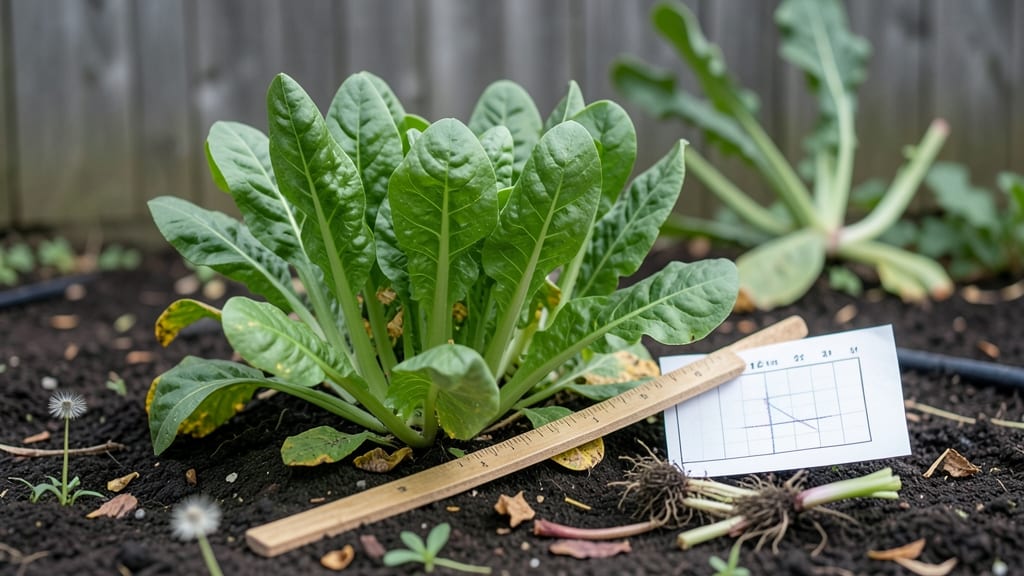
A sqft gardening chart organizes vegetable plants by spacing needs—root crops like carrots require 1–2 sqft per plant, while sprawling vines such as cucumbers need 3–6 sqft. Leafy greens like lettuce thrive in tight clusters (4–8 plants per sqft), while tomatoes demand 18–24 inches apart (2–3 sqft per plant). Adjust spacing for companion planting or trellising to maximize yield in limited garden beds.
A sqft gardening chart isn't just about numbers—it's about understanding how each plant grows. 🌱 Root vegetables like beets spread horizontally, while leafy greens grow vertically, letting you pack more into small spaces.
For example, bush beans can share a single sqft with lettuce, but sprawling zucchini need their own dedicated area. The key is matching plant habits to your garden's layout, whether you're working with raised beds or in-ground plots.
This system also accounts for growth phases. Fast-maturing radishes can share space with slower-growing kale, while tall sunflowers need their own zone to avoid shading neighbors. I've found that using a chart helps visualize how much each plant will expand—especially when planning for trellises or vertical supports.
It's all about balancing growth patterns to get the most from every square foot!
💡 In This Article
- How Plant Biology Dictates Square Foot Spacing
- Customizing Your Vegetable Garden Layout by Plant Type
How plant biology dictates square foot spacing
Every vegetable plant has a unique growth blueprint that determines its spacing needs. Root crops like carrots and radishes develop extensive underground networks that spread horizontally, requiring 1-2 sqft per plant to prevent competition.
Their fibrous roots can extend 12-18 inches from the stem, creating invisible boundaries that restrict neighboring plants.
Meanwhile, leafy greens like spinach and lettuce grow vertically with shallow root systems, allowing them to thrive in tight clusters of 4-8 plants per sqft—their broad leaves create their own shade rather than competing for soil nutrients.
The key difference lies in plant architecture: vining plants like cucumbers and pumpkins need 3-6 sqft because their tendrils can sprawl 10 feet or more if unchecked. Their large leaves create dense canopies that block sunlight from reaching neighboring plants, a phenomenon called allelopathic shading.
Even bush varieties like determinate tomatoes (which grow 3-4 feet tall) need 2-3 sqft per plant because their fruit-bearing branches create heavy canopies that require adequate airflow to prevent disease. 🌿 The science here is about photosynthesis efficiency—plants with larger canopies need more space to capture sunlight without self-shading.
Maturity timelines also play a crucial role in spacing decisions. Fast-growing crops like radishes (ready in 25-30 days) can share space with slower growers like kale, which takes 60-80 days to mature. This staggered planting strategy maximizes yield in small areas by utilizing vertical space and time.
For example, you can interplant radishes between rows of carrots—the radishes will be harvested before the carrots need full space. The opposite is true with perennial plants like asparagus, which require 3 sqft per crown for their extensive root systems that spread 2-3 feet underground over multiple years.
What most gardeners overlook is how plant hormones influence spacing needs. Auxins and gibberellins—natural plant growth regulators—dictate how aggressively a plant spreads. Vining plants produce more gibberellins, which stimulate rapid stem elongation, while root crops focus auxin production downward for tuber development.
This hormonal balance explains why some varieties of the same species need different spacing: a dwarf tomato variety might fit 4 plants per sqft while standard varieties require twice that space. The key is selecting varieties bred for compact growth when space is limited.
Consider the case of squash: summer squash (like zucchini) spreads aggressively with 4-6 sqft per plant needs, while winter squash (like butternut) grows more vertically on vines and can share space more efficiently. The difference comes down to fruit weight—heavy winter squash require stronger vines and more support structures.
This biological variation is why garden charts often separate plants into categories like "sprawlers," "bush types," and "tall growers," each with distinct spacing requirements that reflect their internal growth patterns.
Here's what this means for your garden: measuring plant maturity isn't just about height—it's about understanding how each plant will interact with its neighbors. A 12-inch tall basil plant might seem small, but its dense foliage creates a microclimate that can smother slower-growing companions if not spaced properly.
The same goes for herbs like dill, which can grow 4-5 feet tall while occupying minimal ground space. By matching plant biology to your garden's layout, you create an ecosystem where each species thrives without competing for resources. 🌱