
Tools
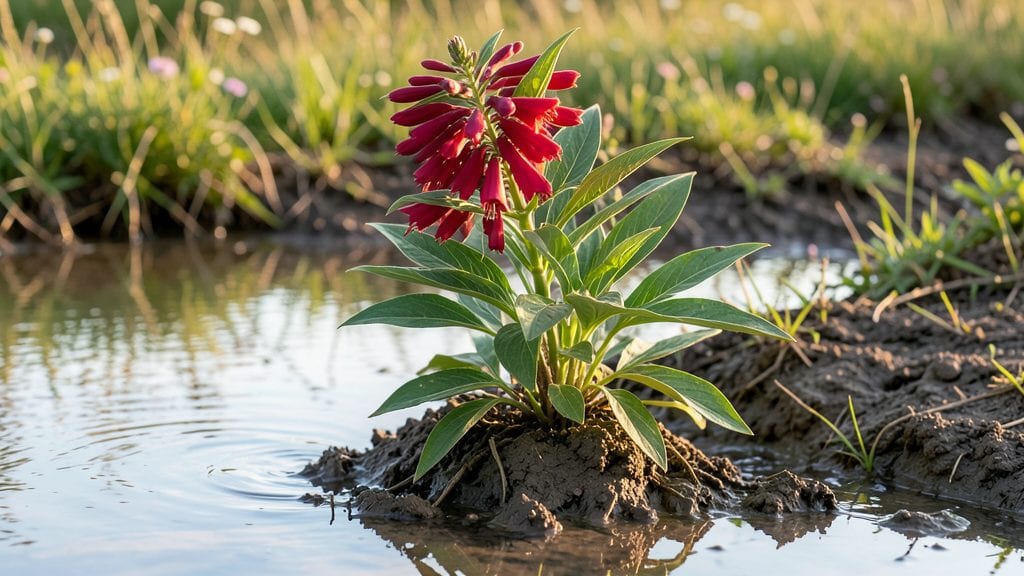
When your garden floods after heavy rain, it’s not just muddy boots—it’s drowning roots and lost harvests. I’ve watched my tomatoes turn to mush and my herbs rot in just 24 hours of standing water, and I learned the hard way that drainage isn’t optional.
The good news? Simple fixes like swales, gravel beds, or even raised rows can turn soggy soil into salvageable space within a weekend.
Most flooding stems from compacted soil, poor grading, or downspouts dumping water right into plant beds. My first fix was redirecting gutters away from the garden, then adding 6-inch-deep gravel trenches along the edges to catch excess moisture.
For clay-heavy soil, a no-dig method with coarse sand mixed into the top 12 inches works wonders—no backbreaking digging required. The key is moving water away from roots, not trapping it.
You’ll see the difference in 2-3 weeks: plants recover faster, mushrooms stop popping up overnight, and your soil stays crumbly instead of turning to soup.
Flood-tolerant plants like sweet potatoes, switchgrass, or even certain varieties of blueberries can handle occasional sogginess, but most vegetables and flowers need their roots to breathe. The right drainage setup means you can keep growing even after the worst downpours.
Works for backyard plots, container gardens, or even small urban patches—just scale the solutions to your space. Let’s get your soil breathing again before the next storm hits.
What Triggers Garden Flooding
Understanding why your garden becomes a soggy mess is the first step to fixing it—so let’s break down the science behind those pesky puddles. Flooding in your garden isn’t just about too much rain; it’s often a mix of poor drainage, soil composition, and even human habits.
Here’s what’s really going on underfoot.
🌱 Compacted or Clay-Heavy Soil Soil isn’t just dirt—it’s a complex mix of minerals, organic matter, and tiny air pockets. When soil is compacted (from foot traffic, heavy machinery, or even rain), those air pockets collapse, leaving water no room to seep down.
Clay soil, in particular, is notorious for holding moisture like a sponge because its particles pack tightly together. If your garden sits in a low spot or has a high clay content, water pools instead of draining.
Actionable fix: Test your soil’s drainage by digging a 12-inch hole, filling it with water, and timing how long it takes to drain. If it’s still soggy after 6 hours, you’ve got a drainage issue.
💦 Impermeable Surfaces & Sloped Terrain Hard surfaces like patios, driveways, or even compacted grass act like a shower drain—they send water rushing toward your garden instead of absorbing it.
If your yard slopes toward your garden beds, rainwater becomes a fast-moving river with no escape route. Over time, this erodes soil and creates low spots where water collects.
Actionable fix: Redirect runoff by installing swales (shallow, curved ditches) or permeable pavers to slow water flow. A gentle slope (1-2%) away from garden beds can also help.
🚧 Clogged Drains & Poor Grading Even the best-laid drainage plans fail when gutters, downspouts, or French drains get clogged with leaves, sediment, or roots. If your yard wasn’t graded properly during installation, water may pool in depressions or against foundations, spilling into your garden.
Actionable fix: Clean out gutters and downspouts regularly, and ensure they direct water at least 10 feet away from your home and garden. Check for sagging soil near drains—if it’s eroded, you may need to regrade.
💧 Too Much of a Good Thing While rain is the obvious culprit, overwatering (especially with sprinklers or hoses) can saturate soil faster than it can drain.
Some plants, like succulents or natives, thrive in dry conditions but suffocate in soggy soil. Even well-draining soil can become waterlogged if irrigated too frequently.
Actionable fix: Water deeply but infrequently—aim for 1-1.5 inches per week (including rain). Use drip irrigation to deliver water slowly to roots, reducing surface runoff.
🌳 Competing Root Systems Large trees, shrubs, and even dense ground covers have extensive root networks that compete with your garden’s drainage. Tree roots can lift sidewalks, while shrubs create underground "highways" that redirect water away from where you need it.
Actionable fix: Plant drought-tolerant species away from garden beds, and avoid deep-rooted plants near low-lying areas. If roots are already causing issues, mulch heavily (3-4 inches) to encourage deeper water absorption.
🌧️ Heavy Rain & Frozen Ground Mother Nature sometimes wins. Intense rainfall (especially in short bursts) can overwhelm even well-drained soil. In winter, frozen ground acts like a waterproof barrier, forcing meltwater to pool on the surface until temperatures rise.
Actionable fix: Install rain gardens or bioswales to absorb excess water naturally. In colder climates, aerate soil in fall to improve winter drainage.
Pro Tip: 🔍 Spot the Signs Early Yellowing leaves, moldy mulch, or plants leaning away from sunlight can signal water stress. If your garden floods after every rain, it’s time to act—before roots rot and soil erodes. The good news? Most drainage issues have simple, cost-effective fixes!
Fixing Waterlogged Garden Ground
Flooding in your garden isn’t just a nuisance—it can drown plants, erode soil, and even damage foundations. But the good news? Most waterlogged areas can be fixed with the right approach. Below, we’ll map common causes to practical solutions, from quick fixes to long-term prevention.
If your garden sits in a natural low spot or has heavy clay soil, water pools instead of draining. The fix? Amend the soil to improve airflow and absorption.
- Add Organic Matter 🍂 Mix in compost, leaf mold, or well-rotted manure (2–3 inches deep) to loosen compacted soil.
This creates air pockets, helping water drain faster. Pro Tip: 💡 For clay-heavy soil, blend in coarse sand or perlite (1 part sand to 3 parts soil) to break up density.
- Raise Planting Beds 🏗️ Build raised garden beds (12–18 inches high) to elevate roots above standing water. Use untreated wood, bricks, or even repurposed materials like cinder blocks.
- Install French Drains 🚰 A perforated pipe buried in gravel (4–6 inches deep) redirects water away from problem areas. Dig a trench, lay the pipe on a slight slope, and cover with gravel and soil.
If gutters spill water directly onto garden beds, you’re creating a flood zone. Capture and divert that runoff before it causes damage.
- Extend Downspouts 📏 Use downspout extenders (flexible or rigid) to direct water at least 10 feet away from your home and garden. Angle them toward a dry well or swale (a shallow trench filled with gravel).
- Create a Rain Garden 🌸 Plant a depression-filled bed with native, moisture-loving plants (like sedges or rushes) to absorb excess water naturally. This doubles as a beautiful, functional feature!
- Install Splash Blocks or Grates 🪨 Place concrete splash blocks or grate covers at downspout ends to slow water flow and prevent erosion. Bonus: They’re affordable and easy to DIY.
If your yard slopes toward your garden, water will always rush in. Reshape the landscape to encourage runoff away from vulnerable areas.
- Build a Berm 🏞️ A berm (a raised mound of soil) acts as a natural barrier. Pile soil along the upslope side of your garden to block water flow. Plant ground covers (like creeping thyme) to stabilize it.
- Create a Swale 🌊 A shallow, curved ditch (6–12 inches deep) slows water and lets it soak into the ground. Line it with gravel or mulch to prevent erosion. Best for sloped lawns!
- Terrace the Area 🪜 For steep slopes, build terraces (flat steps) to break up water flow. Use retention walls, logs, or stacked stones to create levels. Perfect for vegetable gardens on hillsides!
Over time, debris, roots, or sediment can block drainage systems. Inspect and maintain your garden’s water pathways.
- Clean Gutters & Drains 🧹 Remove leaves, twigs, and dirt from gutters and downspouts twice a year (spring and fall). Use a gutter scoop or pressure washer for stubborn buildup.
- Snake Out Pipes 🐍 If a French drain or buried pipe is clogged, use a drain snake or augur to clear blockages. For severe cases, hire a plumber to flush the system.
- Check for Root Intrusion 🌱 Aggressive roots (from trees or shrubs) can clog pipes. Trim roots near drains or install root barriers (metal or plastic sheets) to keep them at bay.
Once you’ve fixed the flooding, keep it from returning with these easy habits:
- Mulch Heavily 🍂 Apply 3–4 inches of mulch (wood chips, straw, or pine needles) to retain moisture after heavy rains and reduce soil compaction.
- Choose Drought-Tolerant Plants 🌵 Swap water-loving plants for native species that thrive in moist conditions (e.g., hostas, ferns, or ornamental grasses).
- Test Soil Drainage 📊 Do the "jar test"—fill a jar with soil and water, then shake. If water drains in under 30 minutes, your soil is well-drained. If it pools, amend it!
- Monitor Weather Forecasts ⚠️ Before heavy rains, temporarily divert water (e.g., move hoses, redirect downspouts) to give your drainage system a break.
Remember: The key to solving garden flooding is combining quick fixes with long-term strategies. Start with the most obvious issues (like downspouts or soil), then layer in prevention. Your plants—and your sanity—will thank you! 🌱💦
Frequently asked questions
Why does my garden flood even after just a little rain?
Clay-heavy soil or compacted ground acts like a waterproof barrier, preventing drainage. A simple test: Dig a 12-inch hole, fill it with water, and time how long it takes to drain. If it stays soggy after 6 hours, your soil needs help. Adding compost or sand can loosen it up quickly.
Can I fix flooding without digging up my entire garden?
Start with surface solutions like swales (shallow trenches) or gravel-filled trenches along borders. For gutters, extend downspouts 10 feet away from beds. These fixes redirect water without major excavation.
What plants survive soggy soil best?
Look for native wetland species like hostas, ferns, or ornamental grasses. Even some veggies adapt—try sweet potatoes or watercress. Avoid delicate herbs or root crops (like carrots) that rot in standing water.
How often should I check my drainage system?
Inspect gutters and downspouts twice a year (spring/fall) and clear clogs immediately. For French drains, test them after heavy rains. A quick check prevents small issues from becoming major floods.
Will mulch help with flooding?
Yes! A 3-4 inch layer of mulch (wood chips or straw) absorbs excess moisture and prevents soil compaction. Just avoid piling it against plant stems—keep it 2 inches away to avoid rot.