
Pests and Diseases
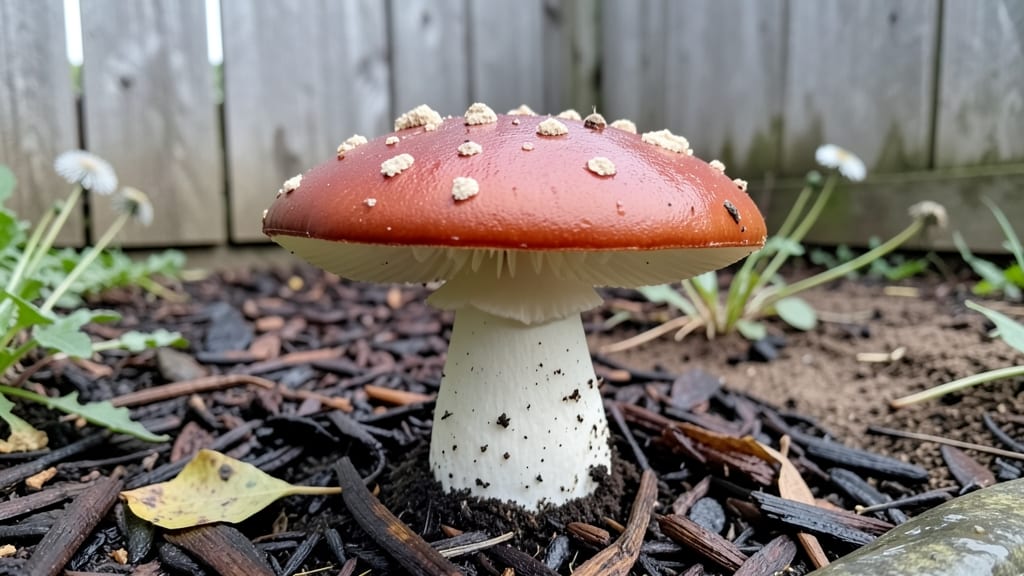
Those strange mushrooms growing in my garden aren’t just weird—they could be stealing nutrients from your plants. 🌱 I’ve pulled up everything from harmless puffballs to aggressive honey mushrooms, and the key to handling them is knowing which ones to leave alone and which to remove before they spread.
The wrong move can turn your yard into a fungal hotspot, but the right approach keeps your soil healthy and your garden thriving.
Most garden mushrooms are harmless, but a few varieties—like the deadly galerina or destroying angel—can poison pets, kids, or even your plants. Start by checking the color, shape, and gills: white gills with a yellow stem?
That’s likely a morel (safe to leave). Brown, scaly caps with rings? Amanita muscaria—toxic, and you need to dig it out. Never assume a mushroom is safe just because it looks pretty.
The removal process is simpler than you’d think: snip at the base with pruners or a trowel, then dispose of them in the trash (not compost). For stubborn clusters, soak the area with vinegar or hydrogen peroxide to discourage regrowth.
Your soil won’t suffer—fungi like these are surface invaders, not root feeders. The real goal is stopping them before they release spores and take over.
If you’re unsure about a mushroom’s identity, snap a photo and consult a local mycologist or university extension service. Some varieties thrive in damp, shaded spots—fixing that moisture issue might be the best long-term solution.
Once you’ve cleared the patch, keep an eye out for new growth. A little vigilance now saves headaches (and possible hospital trips) later.
Hidden Causes Behind Garden Fungi
Discovering unexpected mushrooms sprouting in your garden can feel like a mystery—especially when you didn’t plant them! These fungal growths often appear due to a mix of environmental factors, soil conditions, and even hidden ecosystem shifts.
Understanding the root causes helps you address the issue without disrupting your garden’s health. Let’s break down the most common reasons why mushrooms suddenly pop up where they shouldn’t.
Mushrooms thrive in damp, shaded environments where organic matter decomposes slowly. If your garden retains too much moisture—whether from overwatering, heavy clay soil, or poor drainage—you’re creating the perfect fungal buffet. Why? Fungi spread through microscopic spores that germinate when conditions are ideal: humid, dark, and consistently wet.
🔍 Signs to watch for:
- Puddles lingering after rain
- Mushrooms appearing in low-lying or shaded spots
- Soft, spongy soil that stays damp for days
💡 Actionable fix: Improve drainage by amending soil with compost or sand, and avoid overwatering. Mulch with straw or wood chips to regulate moisture while allowing excess water to drain away.
Mushrooms are nature’s cleanup crew—they break down dead plant material, fallen leaves, and even buried wood.
If your garden has hidden pockets of composting debris (like old roots, mulch piles, or rotting wood), mushrooms may sprout as they digest these nutrients. Common culprits: buried tree stumps, leaf litter, or uneaten garden waste.
🔍 Signs to watch for:
- Mushrooms growing near tree bases or old garden beds
- Soft, mushy soil with visible decay (e.g., slimy textures or dark, crumbly matter)
- Fungal growth after recent pruning or plant removal
💡 Actionable fix: Remove and compost visible debris, but avoid disturbing soil deeply—this can spread spores. If mushrooms persist, aerate the soil to encourage decomposition and reduce fungal hotspots.
Mushrooms often erupt after prolonged rain followed by warm temperatures. Spores lie dormant in soil until conditions trigger germination. Why now? Spring and fall are peak times because:
- Rain activates spores and softens compacted soil.
- Warmth speeds up fungal growth.
- Decaying matter (from winter or summer) provides fresh food.
🔍 Signs to watch for:
- Sudden growth after a rainy spell
- Mushrooms in multiple spots (not just one "hotspot")
- Thicker growth in shaded areas
💡 Actionable fix: Reduce fungal spread by watering deeply but less frequently (early morning is best). Use a fan or dehumidifier in greenhouses to lower moisture levels during humid spells.
Turning soil—whether from planting, weeding, or aerating—can bury spores deep underground.
When you disturb the soil, you bring these spores to the surface, where they germinate if conditions are right. Example: If you recently tilled a garden bed or installed new plants, mushrooms may appear as a delayed reaction to the disruption.
🔍 Signs to watch for:
- Mushrooms appearing in freshly dug areas
- Growth after installing raised beds or mulching
- Fungal rings (fairy rings) near disturbed edges
💡 Actionable fix: Avoid excessive tilling; instead, use no-dig gardening techniques. If mushrooms appear after digging, cover the area with a thick layer of mulch to block light and slow spore activity.
Not all compost or mulch is created equal. If you’ve used homemade compost that wasn’t heated to high enough temperatures (140°F+), fungal spores may survive and hitchhike into your garden. Similarly, untreated wood chips or straw from unknown sources can introduce fungal contaminants.
🔍 Signs to watch for:
- Mushrooms appearing in freshly amended soil
- Growth near mulch piles or compost bins
- Multiple types of fungi (not just one species)
💡 Actionable fix: Use store-bought, sterilized compost or ensure homemade compost reaches 140°F for 3+ days to kill spores. Opt for certified "fungus-free" mulch or avoid wood chips from treated lumber.
Quick Fixes for Garden Fungi
If you’ve spotted unexpected mushrooms popping up in your garden, don’t panic—there are practical ways to remove them safely without damaging your soil or plants. The best approach depends on the cause, so let’s tackle the most common issues with step-by-step solutions.
Cause: Poor drainage or dense soil encourages fungal growth. Fix:
- 🔥 Reduce Watering – Let the top 2 inches of soil dry out between waterings. Mushrooms thrive in soggy conditions, so adjust your irrigation schedule.
- 👨🍳 Improve Drainage – Amend the soil with compost, perlite, or coarse sand to loosen it. For heavy clay, mix in gypsum to break up compaction.
- ⏰ Create Dry Zones – If mushrooms keep returning, consider raising beds or installing French drains to redirect excess moisture.
💡 Pro Tip: Avoid tilling if possible—it can spread fungal spores. Instead, top-dress with mulch to improve aeration naturally.
Cause: Decaying wood, leaves, or plant matter provides food for mushrooms. Fix:
- 🔪 Dig Out the Source – Carefully remove any rotting logs, stumps, or thick mulch layers where mushrooms are growing. Dispose of them in yard waste (not compost).
- 🍳 Replace with Fungal-Resistant Mulch – Switch to gravel, bark chips, or straw (avoid wood chips if fungi are a recurring issue).
- 🌡️ Speed Up Decomposition – If you must compost, turn piles frequently and keep them hot (140°F+) to kill spores.
✨ Prevention: Keep garden beds clean and free of debris—regularly rake up fallen leaves and prunings.
Cause: Termites, ants, or buried wood (like old fence posts) can trigger mushroom growth. Fix:
- 🔍 Identify the Culprit – If mushrooms appear near wooden structures, check for termite tunnels or ant trails. Use a moisture meter to confirm damp wood.
- 🛡️ Install Barriers – Treat wood with borate-based preservatives or replace it with metal or plastic if possible.
- 🐜 Set Traps – For termites, use boric acid bait stations or nematicides (follow label instructions carefully).
🎯 Long-Term Fix: Avoid planting near old wood—if you must, treat the soil with copper sulfate (a natural fungicide) before planting.
Cause: Low-lying areas or clay soil trap moisture, creating ideal mushroom conditions. Fix:
- 🏗️ Grade the Soil – Slope the garden slightly away from structures to prevent water pooling.
- 💦 Install Swales or Berms – Create shallow trenches to redirect water flow naturally.
- 🌿 Plant Drought-Tolerant Species – Choose succulents, lavender, or ornamental grasses that thrive in drier conditions.
💡 Pro Tip: If mushrooms persist in a specific spot, consider sanding the area to expose it to sunlight and air, which inhibits growth.
Cause: Some mushrooms (like deadly amanita) are poisonous and require immediate removal. Fix:
- 🔬 Get a Professional ID – If unsure, take a photo and consult a mycologist or use a mushroom identification app (e.g., iNaturalist).
- 🧪 Test Soil pH – Toxic mushrooms often grow in acidic soil (pH < 6.0). Adjust with lime to raise pH.
- 🧴 Apply Fungicide (If Needed) – For persistent toxic species, use copper fungicide (follow safety guidelines).
⚠️ Warning: Never eat wild mushrooms—even "harmless" ones can cause allergic reactions.
To keep mushrooms from returning: ✅ Avoid overwatering – Water deeply but infrequently. ✅ Improve airflow – Prune dense plants and space them properly. ✅ Monitor soil moisture – Use a moisture sensor to track levels. ✅ Rotate crops – Prevents fungal buildup in the same spot. ✅ Use beneficial microbes – Mycorrhizal fungi (like those in organic fertilizers) can outcompete unwanted species.
By addressing the root cause—whether it’s excess moisture, organic matter, or pests—you can eliminate mushrooms safely while keeping your garden healthy. Most cases resolve within a few weeks with consistent care!
Frequently asked questions
Are all mushrooms growing in my garden dangerous?
No, most garden mushrooms are harmless to plants and people. Common varieties like puffballs or morels are safe and even beneficial for breaking down organic matter. However, avoid touching or consuming any wild mushrooms—some, like the destroying angel or death cap, are deadly poisonous. When in doubt, remove them entirely.
How do I tell if mushrooms are harming my garden?
Check for yellowing leaves, stunted plant growth, or soft, mushy roots near the mushrooms—these are signs of nutrient theft. If mushrooms form fairy rings (circular patches), they may be depleting soil nutrients in a wide area. Most mushrooms are surface-level and won’t damage roots, but aggressive species can compete with plants for resources.
Can I compost mushrooms growing in my garden?
Never compost wild mushrooms—especially if they’re toxic. Spores can survive and spread to new areas. Instead, bag them in plastic and throw them in the trash. If you’re unsure about the type, consult a mycologist or use an app like iNaturalist to identify them first.
Will removing mushrooms make them grow back?
Yes, but only if the underlying conditions (like excess moisture or decaying wood) remain. Snip mushrooms at the base and address the root cause—improve drainage, remove organic debris, or adjust watering habits. For stubborn cases, soak the area with vinegar or hydrogen peroxide to discourage regrowth.
Are there mushrooms that actually help my garden?
Some mushrooms, like mycorrhizal fungi, form beneficial relationships with plant roots, improving nutrient uptake. Look for small, white, web-like structures near roots—these are good guys. If you spot them, leave them alone or even encourage their growth with organic mulch.