
Fertilization
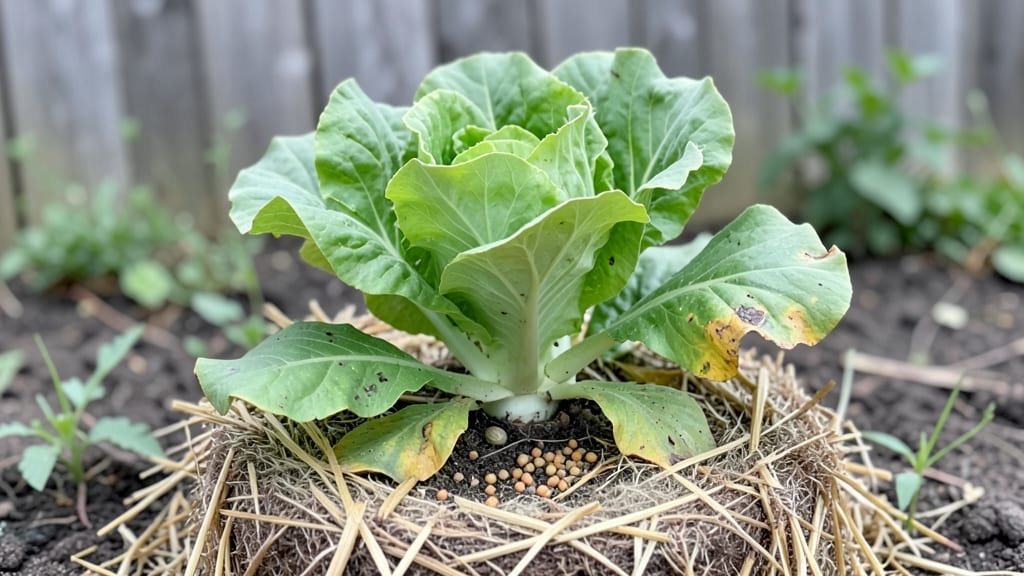
Straw bale gardening fertilizer transforms bales into nutrient-rich beds by conditioning them with water, nitrogen, and organic matter, creating a fast-growing environment for plants in as little as 2-3 weeks.
This method leverages the natural decomposition process to create a nutrient-dense growing medium almost instantly. By soaking the bales with water and adding nitrogen-rich amendments like blood meal or fish emulsion, you kickstart microbial activity that generates heat—similar to composting but faster.
The result? A warm, fertile bed ready for planting within weeks, perfect for extending growing seasons in cooler climates. 🔥
What sets this apart is how adaptable it is—you can tailor the mix to specific plants. For example, leafy greens thrive with a balanced blend of compost and worm castings, while heavy feeders like tomatoes benefit from extra phosphorus-rich materials.
The key is monitoring moisture levels to maintain steady decomposition without waterlogging the bale.
💡 In This Article
- How Straw Bale Conditioning Works for Plant Nutrition
- Top Organic Fertilizer Mixes for Straw Bale Gardens
How straw bale conditioning works for plant nutrition
Here's what's actually happening when you transform straw bales into fertile garden beds: The process mimics accelerated composting. When you soak the bale with water, you create the perfect moisture environment for microbes to wake up and start breaking down the straw's cellulose and lignin structures.
This microbial activity generates heat—often reaching 140-160°F—which kills weeds and pathogens while making nutrients more available to plants. The key factor is nitrogen: Without it, the microbes can't do their job efficiently, which is why gardeners add blood meal or fish emulsion.
The heat generation follows a predictable pattern: First comes rapid microbial activity that raises temperatures within 24-48 hours. After 3-5 days, the bale reaches its peak warmth, and by 2-3 weeks, the internal structure softens into a spongy, soil-like medium.
This heat also triggers pH shifts—starting around 6.5-7.0 (neutral) and dropping slightly as organic acids form, creating ideal conditions for most vegetables. 🌱 The decomposition process releases nitrogen, phosphorus, and potassium in forms plants can absorb immediately, unlike slow-release fertilizers.
What most people don't realize is how this process mimics natural forest floor ecology. In a healthy woodland, fallen leaves and twigs decompose through similar microbial action, creating rich humus. The straw bale method simply concentrates this process in a controlled environment.
The texture transformation is dramatic: Initially coarse and dry, the bale becomes soft and crumbly—similar to well-aged compost—while retaining excellent drainage. This structure supports root growth better than many commercial soil mixes, which can become compacted over time.
Timing your watering is crucial for maintaining optimal conditions. Too little water slows decomposition, while too much creates anaerobic pockets that produce foul-smelling ammonia. The ideal moisture level feels like a wrung-out sponge—damp but not dripping.
During hot weather, you may need to water daily to maintain microbial activity, while cooler conditions might only require every 2-3 days. This careful balance ensures consistent nutrient release without burning plant roots when you're ready to plant.
Advanced gardeners often monitor the bale's temperature to gauge readiness. A consistent internal temperature of 100-120°F indicates active decomposition, while dropping below 80°F suggests the process has slowed.
This temperature monitoring is particularly valuable for extending growing seasons—by planting in conditioned bales when soil temperatures are still too cold for direct planting. The resulting warm beds can give plants a 3-4 week head start compared to traditional soil planting.
One fascinating aspect is how this method creates a self-regulating ecosystem. As decomposition progresses, it naturally produces beneficial fungi and bacteria that suppress harmful pathogens. This biological diversity continues to develop even after planting, creating a more resilient growing environment than many commercial soil mixes.
The result is plants that establish stronger root systems and show reduced susceptibility to common garden diseases. 🌿