
Pests
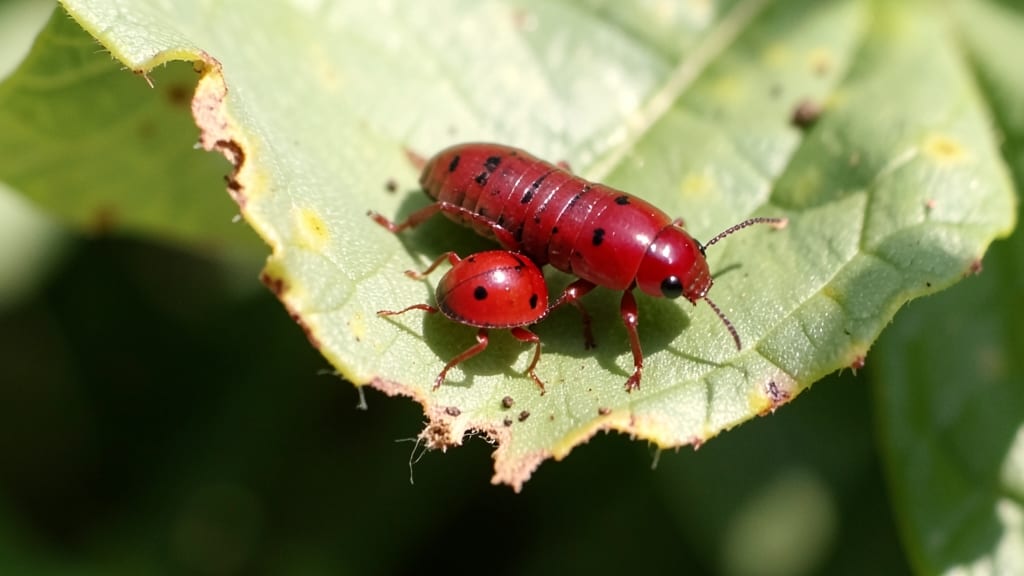
Tiny red bugs in your garden mean trouble unless you act fast. 🌿 I’ve seen them turn lush tomato plants into skeletal husks in just a few days, and the key to stopping them is knowing exactly what you’re dealing with before they spread.
These pests aren’t all the same—some spin webs, others bite, and a few even sting. The most common culprits are red spider mites, fire ants, and tiny red chigger mites, each leaving distinct damage like speckled leaves, chewed stems, or sudden wilting.
The good news? Most can be handled with targeted sprays, beneficial insects, or simple garden tweaks.
By the time you’re done reading, you’ll spot these bugs early, know which plants they target most, and have a foolproof plan to kick them out—without harsh chemicals. Prevention is easier than cleanup, and I’ll show you how to keep them from coming back.
Whether you’re dealing with a single plant or a full garden takeover, this works for vegetables, flowers, and even houseplants. Let’s get those red invaders under control for good.
Root Causes of Tiny Red Invaders
Those tiny red bugs creeping through your garden aren’t just a random nuisance—they’re drawn in by specific conditions that make your yard an all-you-can-eat buffet. Understanding why they show up is the first step to kicking them out for good. Let’s break down the science behind their uninvited visits.
Many tiny red pests—like chinch bugs or aphids—thrive in damp environments. Overwatering or poor drainage creates the perfect breeding ground because:
- Stagnant water weakens plant roots, making them easier targets for pests that feed on sap.
- Fungal growth (like root rot) attracts secondary pests, including red mites or springtails.
- High humidity slows down beneficial predators (like ladybugs), giving the red bugs a head start.
Actionable fix: Let soil dry between waterings, improve drainage with sand or gravel, and avoid watering late in the day to reduce humidity.
Plants under stress—whether from disease, nutrient deficiency, or physical damage—emit chemical signals that attract tiny red bugs. Here’s why:
- Sap-rich leaves (from nitrogen overload or drought) are a feast for aphids and spider mites.
- Damaged bark or stems provide easy entry points for bark beetles or scale insects.
- Root disturbances (from tilling or compaction) lure fungus gnats and their red larvae.
Actionable fix: Test soil pH, fertilize balanced (not just nitrogen-heavy), and prune dead growth to remove hiding spots.
Leaves, wood chips, and old mulch aren’t just garden clutter—they’re hotels for red pests. Why?
- Decaying organic matter provides shelter for springtails and fungus gnats, which lay eggs in moist debris.
- Thick mulch layers trap heat and moisture, creating ideal conditions for red spider mites.
- Wood or bark mulch can harbor bark lice (tiny red wingless insects) that chew on decaying plant material.
Actionable fix: Clear leaf litter and old mulch from plant bases, and replace thick mulch with a 2–3 inch layer of cedar chips (naturally repels some pests).
Red bugs often surge during specific weather patterns because:
- Warm, dry spells dehydrate plants, causing them to produce more sap—a snack for aphids and mites.
- Sudden rain washes away natural predators (like lacewings) while boosting fungal food sources for red pests.
- Early spring or late fall creates temperature fluctuations that stress plants, making them vulnerable.
Actionable fix: Monitor weather forecasts and apply neem oil or horticultural oil before heatwaves to deter egg-laying. Use row covers in early spring to block migrating adults.
Pro tip: 🔍 Spot-check under leaves, along stems, and in soil cracks—these are prime red bug hotspots. Early detection = easier elimination!
Quick Fixes for Garden Invaders
Tiny red bugs in your garden can feel like an unwelcome surprise, but don’t panic—there are effective, eco-friendly ways to tackle them fast. The solution depends on the culprit, so let’s break it down by cause and fix, with practical steps to restore your garden’s peace.
Before grabbing pesticides, pinpoint the pest—are they aphids, spider mites, fire ants, or something else? A quick inspection (use a magnifying glass if needed) helps tailor your approach. Here’s how to target the right bug with the right fix:
Cause: These sap-sucking pests cluster on leaves, stems, and flowers, leaving behind sticky residue ("honeydew") that attracts mold. Fix:
- 🔪 Manual Removal: Spray a strong stream of water to knock them off plants (repeat daily for 3–5 days).
- 🍳 Soap Solution: Mix 1 tbsp mild dish soap + 1 quart water in a spray bottle. Test on a small leaf first, then spray directly on bugs (avoid flowers). Reapply every 5–7 days.
- 🌿 Neem Oil: For stubborn infestations, blend 1 tbsp neem oil + 1 tsp mild soap + 1 quart water. Spray evening or cloudy days (sunlight degrades neem). Repeat weekly until gone.
💡 Pro Tip: Release ladybugs or lacewings—their larvae devour aphids naturally! Buy them online or attract them with dill or fennel plants.
Cause: These tiny red specks thrive in hot, dry conditions, spinning webs on undersides of leaves. They weaken plants by draining moisture. Fix:
- 🌡️ Increase Humidity: Mites hate moisture. Mist plants daily or place a tray of water near them.
- 🧼 Scrub Infested Areas: Dip a soft brush in soapy water and gently scrub leaves to remove mites and webs.
- 🍋 Citrus Spray: Blend peels of 2 lemons + 1 quart water, strain, and spray directly on mites. Repeat every 3 days.
✨ Prevention: Mulch with straw or grass clippings to retain soil moisture and deter mites.
Cause: Aggressive red ants mound up near water sources or disturbed soil, stinging anything that bothers them. Fix:
- 🏗️ Physical Barriers: Sprinkle diatomaceous earth (food-grade) around mounds and plant bases. It dries out ants without harming plants.
- 🍪 Bait Stations: Use borax or cornmeal bait (mix 1 part borax + 3 parts sugar + water into a paste). Place near mounds—they’ll carry it back to the colony.
- 💦 Water Trick: Fire ants avoid wet areas. Keep garden beds well-watered to discourage nesting.
🎯 Warning: Avoid chemical sprays near edible plants—borax can contaminate soil. Opt for natural repellents like cinnamon or vinegar (spray around perimeter).
Cause: These red "worms" (larvae) tunnel through damp soil, damaging roots. Adults hover near houseplants. Fix:
- 🌞 Let Soil Dry: Reduce watering and improve drainage by adding sand or perlite to pots.
- 🍳 Yellow Sticky Traps: Place yellow cards coated with petroleum jelly near plants to catch adults.
- 🌿 Beneficial Nematodes: Buy heterorhabditis bacteriophora nematodes online—they paralyze and kill larvae naturally. Apply to soil as directed.
💡 Pro Tip: Avoid over-fertilizing—fungal gnats love rich, moist soil. Use slow-release fertilizer instead.
Once your garden is pest-free, keep it that way with these habits: - 🌿 Rotate Plants: Avoid planting the same crops in one spot yearly (breaks pest life cycles). - 🍃 Healthy Soil: Add compost or worm castings to boost plant resilience. - 🕵️ Regular Scouting: Check undersides of leaves and soil surfaces weekly for early signs. - 🌞 Sunlight: Many pests hate heat.
Choose sun-loving plants for your garden.
Final Thought: Tiny red bugs are manageable with the right tools—no harsh chemicals needed. Start with water, soap, or natural predators, and your garden will bounce back faster than you think! 🌱
Frequently asked questions
Are all tiny red bugs in my garden harmful to plants?
Not all tiny red bugs are destructive, but most common ones are. For example, red spider mites and aphids suck plant sap, while fire ants can damage roots and sting. However, some beneficial red bugs like ladybug larvae actually help by eating pests. Always check for damage signs like yellowing leaves or webs before assuming they're harmful.
How can I tell if my plants have a red bug infestation?
Look for these key signs: Speckled leaves (from mites), sticky residue (aphid honeydew), chewed edges (ant damage), or tiny webs under leaves. Check undersides of leaves and soil surfaces where bugs hide. Early detection makes treatment much easier!
Will commercial pesticides work better than natural remedies?
Chemical pesticides might kill bugs faster, but they often harm beneficial insects and can contaminate soil. Natural remedies like neem oil, soapy water, or diatomaceous earth are safer for your garden ecosystem. For severe infestations, use targeted organic sprays instead of broad-spectrum chemicals.
Can tiny red bugs survive winter in my garden?
Most red bugs have different survival strategies. Some like fire ants create underground nests that protect them from cold, while others like aphids lay eggs that hatch in spring. Red spider mites often overwinter on plant debris. Clear garden debris in fall and use row covers to prevent overwintering pests.