
Pests
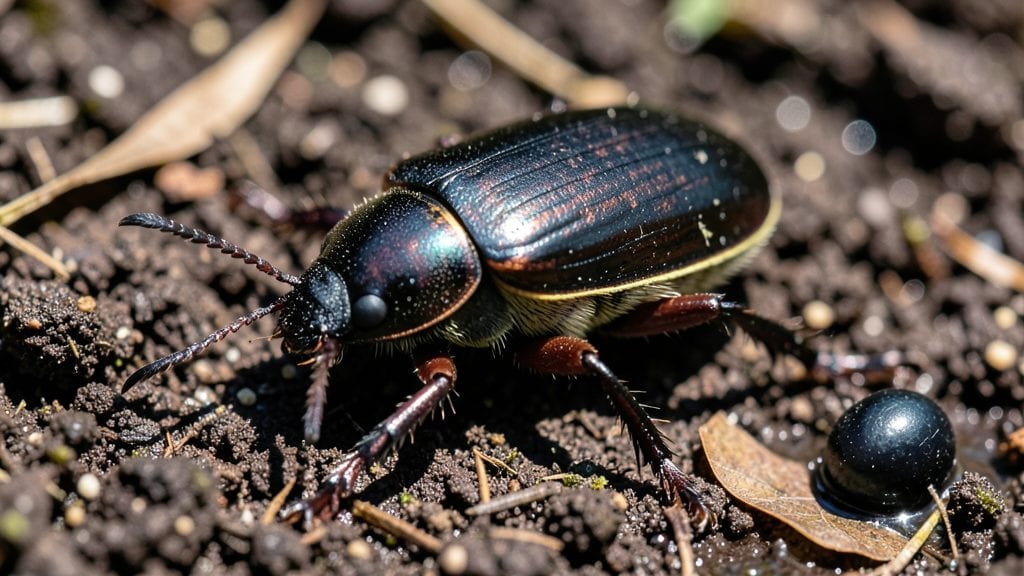
When garden bugs in soil start eating your plants instead of the compost pile, it’s time to act—but not with harsh chemicals.
I’ve spent years learning how to spot the troublemakers (like grubs or wireworms) and the helpers (earthworms and ground beetles), then remove pests without wrecking the soil’s good bacteria. The key? Targeting the bad guys while keeping the ecosystem balanced.
Most people panic and douse their soil with pesticides, but that kills everything—even the bugs that aerate soil and break down organic matter. Instead, I’ve found that a little patience and the right tools (like nematodes for grubs or diatomaceous earth for ants) do the job without collateral damage.
You’ll need a magnifying glass for ID, a spray bottle for targeted treatments, and a plan to prevent future invasions.
By the end, you’ll have a soil team working for your garden, not against it. The grubs are gone, the earthworms are thriving, and your plants grow stronger because the soil stays alive and healthy. No more guessing—just a clear, step-by-step way to keep your garden’s underground crew in check.
This works for vegetable gardens, flower beds, and even container plants. The same principles apply whether you’re dealing with a small patch of ants or a full-blown grub outbreak. Let’s get your soil back in balance the smart way.
Root Causes of Soil Bug Surges
Unwanted garden bugs thriving in your soil aren’t just random visitors—they’re responding to specific conditions that make your soil an inviting (or even too inviting) home. Understanding these triggers helps you address the problem at its source without disrupting the delicate balance of your garden’s ecosystem.
Here’s why these critters show up in the first place.
Healthy soil is a thriving ecosystem, but when it’s out of balance, it becomes a buffet for pests. Over-fertilized soil—especially with high nitrogen—attracts sap-sucking insects like aphids, whiteflies, and fungus gnats.
These bugs are drawn to the lush, fast-growing plants that result from excess nutrients, which weaken the plants’ natural defenses.
Conversely, nutrient-deficient soil can also encourage pests. Stressed plants (from lack of phosphorus, potassium, or micronutrients) produce weaker roots and leaves, making them easier targets for root maggots, cutworms, and other soil-dwelling predators.
Actionable fix:
- Test your soil’s pH and nutrient levels (aim for a balanced NPK ratio, typically 10-10-10 for general gardening).
- Use organic matter like compost or worm castings to improve soil structure and microbial activity, which naturally deters many pests.
- Avoid synthetic fertilizers—opt for slow-release organic options to prevent nutrient spikes.
Bugs like slugs, snails, and fungus gnats love damp conditions because they thrive in high-humidity environments. Overwatering or poorly draining soil creates the perfect breeding ground for these pests, while also inviting nematodes (microscopic worms that attack plant roots).
Even well-draining soil can become a problem if it’s consistently soggy due to heavy rainfall or irrigation issues.
Waterlogged soil also depletes oxygen, stressing plant roots and making them more susceptible to root rot and secondary pests like wireworms or grubs.
Actionable fix:
- Improve drainage by amending soil with sand, perlite, or coconut coir (especially in clay-heavy soils).
- Water deeply but infrequently—aim for 1–1.5 inches per week, and avoid overhead watering in the evening.
- Use raised beds or containers for moisture-sensitive plants like lettuce or basil.
Leaves, grass clippings, and thick mulch layers may seem like free fertilizer, but they also create hiding spots and food sources for pests. Piles of organic matter attract:
- Earwigs (they burrow into damp mulch).
- Cutworms (they feed on decaying plant material).
- Sow bugs/rollie pollies (they thrive in moist, shaded debris).
Additionally, uncomposted wood chips or straw can harbor termites, carpenter ants, or even millipedes, which break down the material but also damage roots in the process.
Actionable fix:
- Keep mulch 2–3 inches thick and 6 inches away from plant stems to prevent pests from nesting.
- Remove old plant debris (like fallen fruit or dead leaves) promptly—compost it in a sealed bin if you must.
- Choose light-colored mulch (like straw or pine needles) to deter slugs and reduce moisture retention.
Soil bugs often flourish when their natural predators—like ground beetles, nematodes, or birds—are missing. This happens due to:
- Pesticide use (even "safe" sprays can kill beneficial insects).
- Monoculture gardening (planting the same crops year-round reduces biodiversity).
- Compacted or chemically treated soil (which repels beneficial microbes and insects).
Without these predators, pests like grubs or root weevils can multiply unchecked, leading to visible damage.
Actionable fix:
- Introduce beneficial nematodes (like Steinernema carpocapsae) to target grubs and larvae.
- Plant companion plants like marigolds, dill, or clover to attract predatory insects.
- Avoid broad-spectrum pesticides—opt for targeted solutions (e.g., neem oil for soft-bodied bugs).
Soil that’s been tilled, walked on, or compacted by machinery creates ideal conditions for pests like:
- Cutworms (they hide in loose, disturbed soil).
- Wireworms (they thrive in aerated, organic-rich layers).
- Mole crickets (they burrow into soft, broken-up ground).
Compacted soil also reduces oxygen flow, stressing plants and making them more vulnerable to root-feeding insects.
Actionable fix:
- Use no-till gardening where possible to preserve soil structure.
- Add organic matter (like compost or leaf mold) to loosen compacted areas.
- Create walkways with mulch or boards to avoid compacting planting beds.
Fix Soil Bug Issues Naturally
Dealing with unwanted bugs in your garden soil doesn’t mean sacrificing the health of your plants or the ecosystem. The key is to address the root cause with targeted, humane solutions that restore balance—without harming beneficial soil life.
Below, we’ve mapped common issues to practical fixes, along with prevention tips to keep your soil thriving long-term.
If you’re seeing an overabundance of pests like grubs, slugs, or ants, the first step is to identify the culprit and act strategically.
🍳 For Grubs & Larvae (White Grubs, Cutworms)
Grubs can devastate roots and young plants, but you can manage them without chemical harm.
- 👨🍳 Handpick or Trap: Use a flashlight at dusk to spot grubs near plant bases. Relocate them to a bucket of soapy water (humane disposal) or release them far from your garden.
- 🥘 Beneficial Nematodes: Apply Steinernema carpocapsae or Heterorhabditis bacteriophora nematodes to the soil. These microscopic predators seek out and kill grubs naturally.
- 🔪 Adjust Watering: Overwatered soil attracts grubs. Water deeply but less frequently to discourage their presence.
🥘 For Slugs & Snails (Silvery Trails, Chewed Leaves)
These slimy pests thrive in damp, shaded areas but can be controlled without harming soil microbes.
- 🌡️ Beer Traps: Bury a shallow dish filled with beer near affected plants. Slugs are attracted to the yeast and drown—no chemicals needed.
- 🎯 Copper Barriers: Place copper tape around raised beds or containers. The slight electric charge repels slugs without affecting soil health.
- ✨ Diatomaceous Earth (Food-Grade): Sprinkle a thin layer around plants. It dehydrates slugs but breaks down harmlessly in the soil.
🔪 For Ants (Mounds, Trails, or Infestations)
Ants can disrupt soil aeration and attract other pests, but you can deter them naturally.
- 💡 Vinegar Barrier: Mix equal parts water and white vinegar in a spray bottle. Lightly mist ant trails and mounds to disrupt their scent.
- 🌿 Cinnamon or Chili Powder: Sprinkle a line of cinnamon or chili powder around entry points. The strong scent repels ants without toxicity.
- 🍎 Remove Food Sources: Keep fruit scraps and sweets far from garden beds, and store compost bins securely.
Once pests are under control, focus on rebuilding a healthy soil ecosystem to prevent future issues.
💡 Boost Beneficial Microbes & Fungi
- 🔥 Compost Tea: Brew aerated compost tea and apply it to the soil. It introduces beneficial bacteria and fungi that outcompete pests naturally.
- 🌡️ Mycorrhizal Fungi: Add mycorrhizal inoculants to your soil. These fungi form symbiotic relationships with plant roots, enhancing nutrient uptake and deterring harmful pests.
🌿 Improve Soil Drainage & Aeration
- ✨ Sand or Perlite Mix: Amend heavy clay soils with coarse sand or perlite to reduce moisture retention, which discourages grubs and slugs.
- 🔪 Avoid Over-Tilling: Excessive tilling disrupts soil structure. Use broadforks or minimal tilling to preserve beneficial organisms.
🎯 Plant Pest-Resistant Varieties
- 🌱 Choose Smart: Opt for plants like marigolds (repel nematodes), basil (deters slugs), or garlic (discourages ants). Interplanting these with vulnerable crops creates a natural defense.
The best way to handle garden bugs is to stop them before they become a problem.
- 💡 Mulch Strategically: Use straw or wood chips to deter slugs and retain moisture without creating a pest haven. Avoid thick layers that trap excess moisture.
- 🌡️ Rotate Crops: Prevent soil-borne pests by rotating plant families yearly. This disrupts pest life cycles naturally.
- 🔥 Encourage Natural Predators: Invite birds, toads, and ground beetles by adding a small water source or leaving some leaf litter. These predators keep pest populations in check.
- 🌿 Test Your Soil: Conduct a simple soil test to check pH and nutrient levels. Amend with compost or organic matter to create an environment where beneficial life thrives.
By addressing the specific cause of your soil bug issues and taking proactive steps, you can maintain a balanced, healthy garden without resorting to harsh chemicals. Your soil—and your plants—will thank you!
Frequently asked questions
How do I tell if my soil bugs are harmful or helpful?
Look for key traits: earthworms (long, segmented, no legs) and ground beetles (shiny, oval-shaped) are beneficial—they aerate soil and eat pests. Harmful bugs like grubs (white, C-shaped larvae) or wireworms (hard, brown larvae) damage roots. Check at dusk with a flashlight for movement patterns: beneficial bugs are active predators, while pests hide or chew plants.
Can I use coffee grounds to repel soil bugs?
Coffee grounds work for some pests but not all. They deter slugs and ants due to their acidity and caffeine, but may attract grubs (they love decaying organic matter). Use sparingly—mix 1 part grounds to 3 parts mulch—and avoid overapplying, which can alter soil pH. For grubs, try beneficial nematodes instead.
Why do I keep getting ants in my garden soil?
Ants invade for three main reasons: food sources (sugary plant sap or fallen fruit), moisture (they nest in damp soil), or disturbed soil (tilling exposes their colonies). Remove food scraps, reduce evening watering, and sprinkle chili powder around entry points. If mounds appear, drench them with vinegar-water mix to disrupt trails.
Will diatomaceous earth harm earthworms?
Food-grade diatomaceous earth (DE) is safe for earthworms when used correctly. It only kills pests with soft bodies by dehydrating them. To protect beneficial bugs, apply DE only on soil surfaces (not mixed in) and reapply after rain. Avoid using it near earthworm-heavy areas or during active worm casting periods (spring/fall).
How often should I check for soil bugs?
Inspect your soil weekly during growing season (spring-fall) and biweekly in winter. Focus on high-risk areas: new plantings, mulched beds, and damp spots. Use a hand trowel or flashlight to spot grubs, wireworms, or slug trails. Early detection prevents outbreaks—most soil pests become visible before they cause damage. Keep a simple log to track patterns.