
Watering
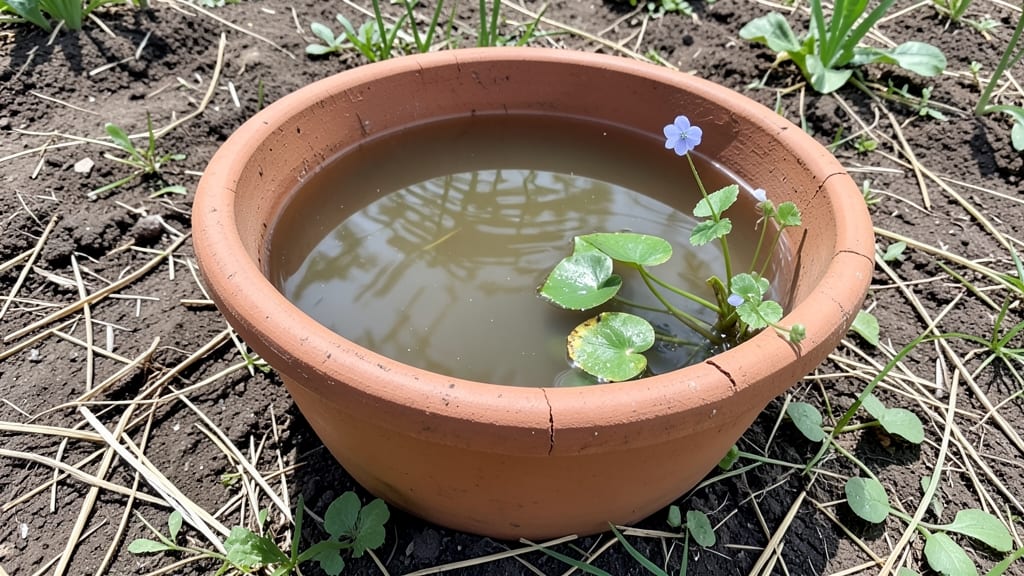
A water garden tub transforms your space into a tranquil aquatic haven by supporting hardy aquatic plants like water lilies and lotus, but it demands consistent upkeep—think weekly water refreshes, debris clearance, and nutrient balance—to keep the water crystal clear and the ecosystem thriving all year.
A water garden tub isn't just a decorative feature—it's a self-contained ecosystem that mimics nature's balance. 🌿 The right plant selection (like floating water hyacinth or oxygenating hornwort) keeps algae at bay while supporting fish and beneficial insects.
I've found that tubs under 50 gallons need more frequent maintenance, while larger setups can stretch water changes to every 2-3 weeks if properly stocked. The key is treating it like a living room centerpiece—regular attention ensures it stays vibrant and healthy season after season.
💡 In This Article
- Selecting the Best Aquatic Plants for Water Garden Tubs
- Essential Maintenance Routine for Long-Term Water Garden Tub Success
Selecting the best aquatic plants for water garden tubs
The foundation of a thriving water garden tub lies in strategic plant selection, where placement determines function. Submerged plants like hornwort and anacharis grow entirely underwater, releasing oxygen through photosynthesis while suppressing algae by outcompeting it for nutrients.
These plants thrive in 6-12 inches of water and can grow 12-24 inches tall, making them perfect for tubs with 18-inch depth or deeper. Their feathery leaves create natural filtration by trapping debris and absorbing excess nutrients.
Floating plants such as water hyacinth and duckweed serve as nature's shade cloth, blocking 90% of sunlight from reaching the water below—this prevents algae blooms while providing shelter for fish and beneficial insects.
In smaller tubs (under 30 gallons), a single water hyacinth can spread rapidly, so limit to one plant per 100 square inches of surface area. Marginal plants like cattails and pennywort grow at the water's edge, adding visual interest while absorbing excess nutrients through their roots.
Climate plays a critical role in plant selection. In USDA Zone 5-7, hardy varieties like yellow flag iris and pickerelweed survive winters when tubs are partially drained or insulated with 50mm foam boards.
Tropical tubs (Zones 8+) can support lotus flowers, but these require winter protection—either moving plants indoors or covering tubs with bubble wrap to prevent freezing. The key is matching plant hardiness to your region's lowest winter temperatures.
Here's what most people overlook: plant ratios matter. In a 50-gallon tub, aim for 30% submerged plants, 20% floating plants, and 50% marginal plants by volume. This balance ensures proper oxygenation while preventing any single plant from dominating.
For example, too much water hyacinth can deplete oxygen at night when photosynthesis stops, while too few submerged plants leads to stagnant water.
Consider these practical tips when selecting plants: Small tubs (under 20 gallons) work best with dwarf water lilies and frogbit, while larger setups can accommodate standard lotus and blue flag iris.
Always research each plant's mature size—some water lettuce plants can reach 2 feet in diameter, overwhelming compact spaces. Start with 2-3 species to avoid overcrowding, then expand as you gain experience.
For pest control, include water soldier and water crowfoot—their spiky leaves deter mosquito larvae while providing habitat for beneficial insects like dragonfly nymphs. The visual contrast between smooth leaves and spiky foliage also creates a more dynamic ecosystem. 🌿