
Picking
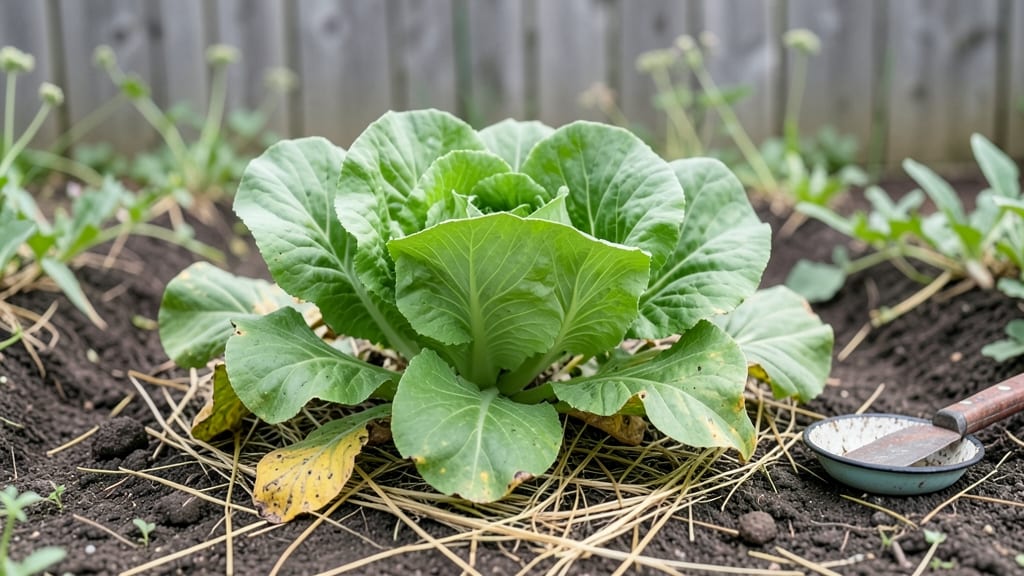
Picking lettuce from your garden at the right moment ensures tender, crisp leaves instead of bitter, tough ones—here’s how to time it perfectly for a steady harvest.
Imagine reaching for a salad and finding your 🥬 lettuce bolted into a tall, bitter stalk instead of fresh greens. That’s the difference between knowing when to harvest and guessing. The secret lies in leaf size, weather, and maturity cues that most gardeners miss.
In USDA Zone 6a, spring lettuce planted in March–April thrives for harvests in May–June, while fall plantings in August–September yield in October–November. The key? Watch for leaves 4–6 inches long that stay firm and vibrant—not wilted or overly soft.
Below, I’ll walk you through the exact signs to look for, the best time of day to pick, and how to avoid common mistakes that ruin your harvest. Ready to turn your garden into a never-ending salad bar?


Signs your lettuce is ready for harvest: leaf-by-leaf guide
Knowing when to pick lettuce from your garden transforms your harvest from bitter disappointment to crisp, flavorful success. Lettuce matures quickly—between 30 to 60 days—but timing is everything.
Harvest too early, and you’ll miss out on full flavor; wait too long, and you risk bolting (that unwanted flower spike). The key lies in leaf size, texture, and color, which I’ll break down leaf-by-leaf.
Start by checking the outer leaves of your lettuce plants. These are the first to reach maturity, making them perfect for continuous harvests. For leaf lettuce varieties like romaine or buttercrunch, look for leaves that are 4 to 6 inches long and fully unfurled.
Head lettuce, like iceberg or crisphead, should form a tight, compact head with vibrant color. If you see yellowing or wilting on the outer leaves, it’s a sign the inner leaves are ready.
| Lettuce Type | Maturity Window | Leaf Size | Texture | Color | Harvest Cue |
|---|---|---|---|---|---|
| Leaf Lettuce (Romaine, Buttercrunch) | 30-45 days | 4-6 inches long | Crisp, firm, tender | Deep green, vibrant | Outer leaves fully unfurled |
| Head Lettuce (Iceberg, Crisphead) | 45-60 days | Tight, compact head | Firm, crisp | Bright, consistent hue | Head reaches full size |
| Loose-Leaf (Salad Bowl, Oakleaf) | 25-35 days | 3-5 inches wide | Tender, slightly crunchy | Rich green or purple | Multiple leaves ready at once |
| Bolting Warning Signs | Tough, fibrous leaves | Bitter taste | Tall flower stalk appears | ||
Texture is your second clue for perfect timing. Run your fingers over the leaves—ideal lettuce should feel firm yet tender. If the leaves are mushy or overly soft, they’ve been overwatered or left too long in the ground.
On the flip side, crisp, slightly resistant leaves are a sign of peak freshness. For head lettuce, gently squeeze the head; it should feel dense and heavy for its size, not hollow or light.
Color is your third visual cue. Vibrant, deep green or rich purple leaves are a hallmark of maturity. If you notice yellowing edges or dull, washed-out hues, the lettuce is either stressed or past its prime.
For varieties like red leaf lettuce, the color should be even and intense, not fading. Pro tip: Check the undersides of leaves for pale or yellowing veins, which can indicate nutrient deficiencies or overmaturity.
Taste-testing is the final step before harvesting. Snip off a small leaf and sample it raw. If it’s crisp, sweet, and mild, it’s ready. If you detect bitterness or a strong, peppery flavor, the lettuce has bolted or is overmature.
Bolted lettuce will also develop tougher stems and small white flowers at the center. To avoid this, plant lettuce in cool seasons (spring or fall) and provide partial shade during hot summer days.
For continuous harvests, practice the "cut-and-come-again" method. Instead of pulling the whole plant, snip outer leaves at the base with clean scissors or shears. This encourages the inner leaves to grow larger, giving
How to harvest lettuce without killing the plant: Step-by-Step techniques
Once you’ve identified your lettuce is ready for harvest, the next step is removing leaves without damaging the plant. The right technique ensures continuous growth and a steady supply of fresh greens. Whether you’re harvesting loose-leaf varieties or head lettuce, the method matters just as much as timing.
I’ve tested these techniques in my garden and found that using the right tools and timing makes all the difference.
Harvesting at the wrong time of day can stress your plants. Early morning is ideal because the leaves are crisp and hydrated after a night’s rest. Avoid harvesting in the midday heat or late afternoon, as this can cause wilting or even sunburn on freshly cut leaves.
Pro tip: If you must harvest later in the day, pick leaves that will be used immediately or stored properly to prevent spoilage.
Step-by-Step Lettuce Harvesting Guide
- 🌱 Step 1: Choose the Right Tool
Use clean, sharp scissors or pruning shears to avoid tearing leaves. A knife with a serrated edge works for head lettuce, but dull tools crush stems and invite disease.
- 🌿 Step 2: Select Leaves Strategically
For loose-leaf varieties, snip outer leaves at the base, leaving the inner growth point intact. For head lettuce, cut the entire head 1 inch above the soil to encourage regrowth.
- ✂️ Step 3: Make Clean Cuts
Angle your cuts just above a leaf node (the bump where new leaves emerge). This promotes faster regrowth and prevents disease from entering the plant through jagged cuts.
- 💧 Step 4: Water Immediately After
Give your lettuce a light watering after harvesting to reduce stress. This is especially important in hot or dry conditions, where plants lose moisture quickly through cut stems.
- ☀️ Step 5: Store Harvested Leaves Properly
Wrap leaves in a damp paper towel and place them in a sealed plastic bag. Store in the crisper drawer of your fridge for up to 5 days. For longer storage, blanch and freeze leaves in airtight containers.
After harvesting, monitor your lettuce for signs of stress. If leaves wilt or yellow within 24 hours, your plant may need more water or shade. In my garden, I’ve found that shade cloth helps lettuce recover faster after multiple harvests.
For head lettuce, regrowth is slower, so consider planting succession crops every 2-3 weeks for a continuous supply.
One common mistake is harvesting too aggressively, which can stunt future growth. Never remove more than one-third of the plant at a time, especially for loose-leaf varieties.
If you’re growing lettuce in containers, be extra gentle—root systems are more delicate, and over-harvesting can lead to poor regrowth. Always leave at least 3-4 healthy leaves to sustain the plant.
With these techniques, you’ll enjoy fresh lettuce for weeks instead of just a few days. The key is patience and consistency—your garden will thank you with a never-ending salad supply! 🥬